Modern-Day Pilgrimages: Sacred Travel for the Soul
These sacred journeys—from ancient footpaths to spiritual hot springs—invite us to walk with intention, reflect, and reconnect. Whether rooted in tradition or reimagined for modern seekers, pilgrimage can be a powerful path to healing, growth, and deeper meaning.
Pilgrimage has been a sacred practice across cultures for centuries—a way to connect, heal, mark transitions, and seek something deeper than the everyday.
From ancient trails to modern journeys, people have always felt called to certain places—not just to arrive, but to be changed along the way.
Today, pilgrimages aren’t limited to religious traditions. They can be deeply personal paths of reflection, healing, and discovery. You might follow the footsteps of ancient seekers or create your own modern-day ritual.
Whether you’re walking England’s ancient pilgrimage routes, hiking to a centuries-old shrine, soaking in hot springs, or visiting a place believed to hold energetic power—like one of the world’s spiritual vortex locations—these journeys offer something powerful: space.
Space to release what you’ve outgrown, reflect on what matters, and reconnect—with yourself, with others, and with the earth.
Camino de Santiago (Spain)
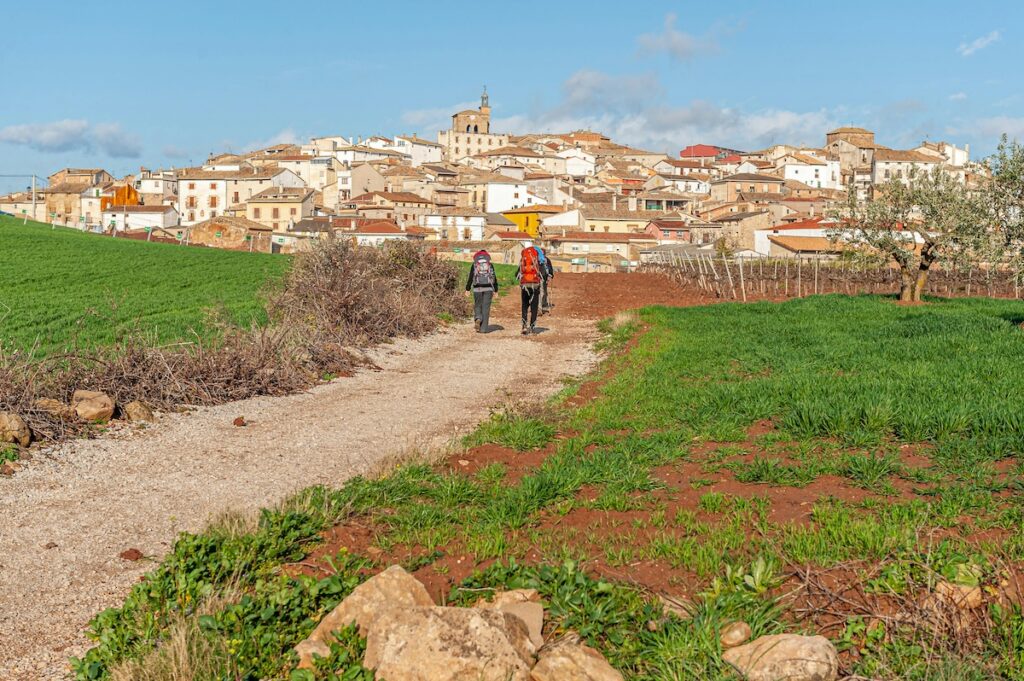
The Camino de Santiago (also called the Way of St. James) has been a popular pilgrimage since ancient times and is a UNESCO World Heritage Site today. It leads to the Cathedral of Santiago de Compostela, where the apostle St. James is believed to be buried.
Travelers walk for reflection and spiritual transformation, nature, stillness and community, as many other travelers from the local area and world do this pilgrimage.
The entire trail is 500 miles, but you can walk it your own way. You can walk a portion and come back for more, or you can walk the entire route in one visit; there are also various routes you can take. People only bring basic necessities and don’t use technology on the pilgrimage, which aids in your spiritual journey.
You must collect stamps along the way at stops to prove you’ve been to them, and you also much travel at least the last 100km on foot or horseback, or the last 200km by bicycle.
🌀🌊🦋☀️Curious what your travel symbol might be?
Take the Travel Archetype Quiz to discover which symbol reflects your journey.
Each archetype represents a different phase of transformation—like grounding, flow, release, or rebirth—and helps guide your next steps.
When you complete the quiz, you’ll get a free guide tailored to your symbol, including journal prompts, travel ideas, and more.
Pilgrimage Through England
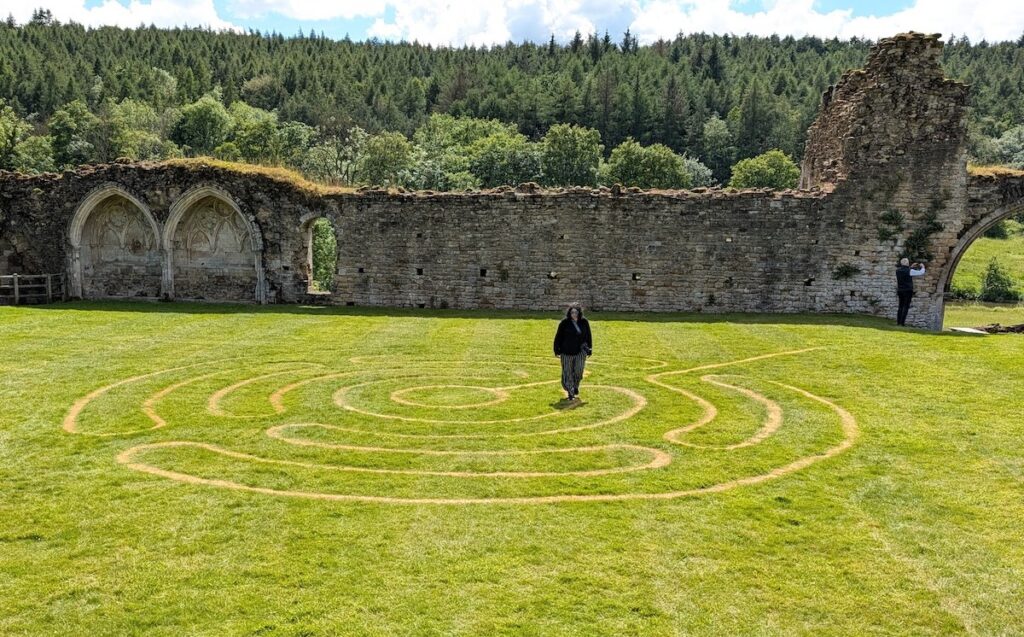
England has been a pilgrimage destination for centuries, from Canterbury Cathedral and the route of Thomas Becket to the legends of King Arthur, medieval abbeys, holy wells, literary landmarks, and modern walking trails.
While many travelers associate pilgrimage with Spain’s Camino de Santiago, England offers its own rich tapestry of sacred, historical, and reflective journeys that blend Christian heritage, folklore, literature, and the English countryside.
👉 Want to explore England in more depth? Read my guide to the 11 Types of Pilgrimage in England.
Mount Kailash (Tibet)
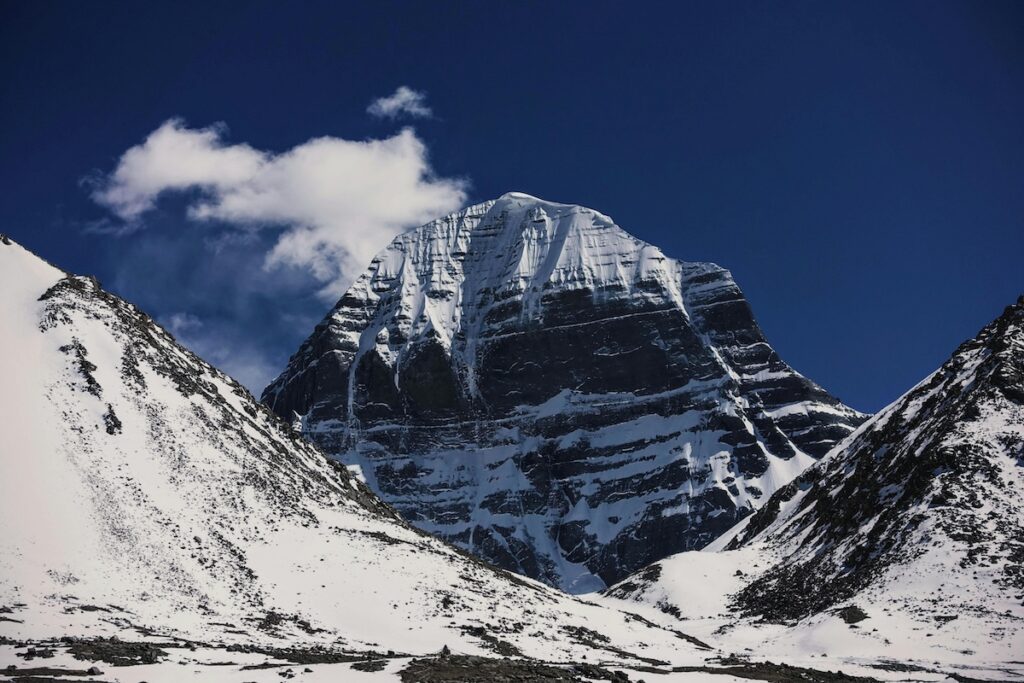
Mount Kailash is sacred to Hindus, Buddhists, Jains and Bon followers, and is a 32-mile pilgrimage. Mount Kailash, located in the Himalayan Mountains, is considered to be the Earth’s crown chakra and a spiritual vortex location, as well as being a UNESCO site.
The pilgrimage is only around the base of the mountain, as it is forbidden to climb to the summit of this mountain; it is believed by some to be the home of certain gods since ancient times. Some also believe it to be the center of the universe. People also visit Tibetan Monasteries and Temples as part of their pilgrimage.
Kumano Kodō (Japan)
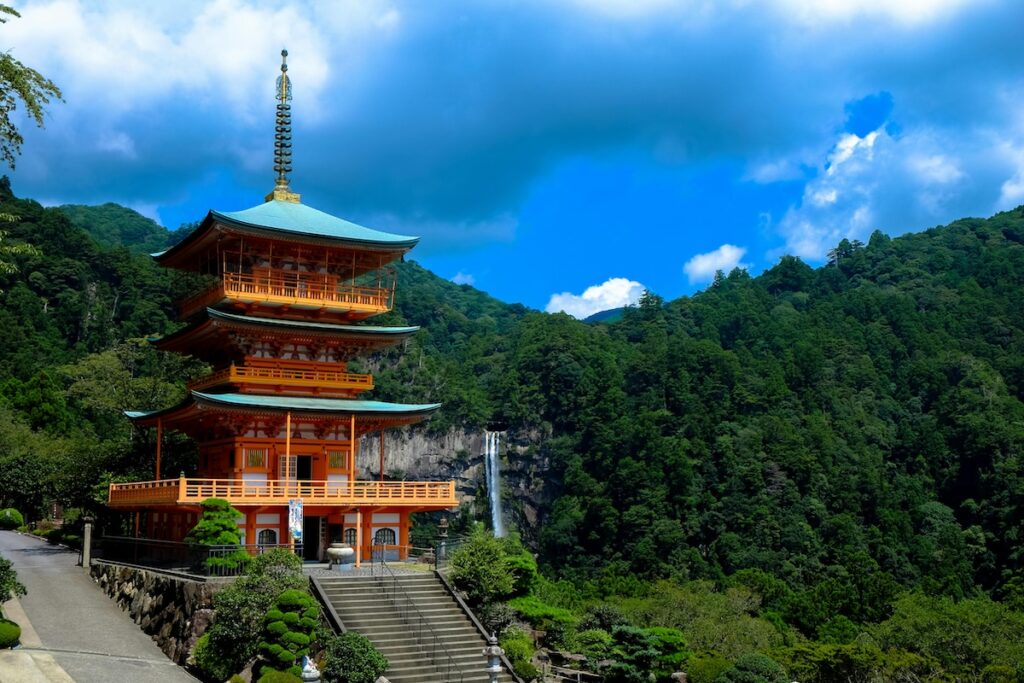
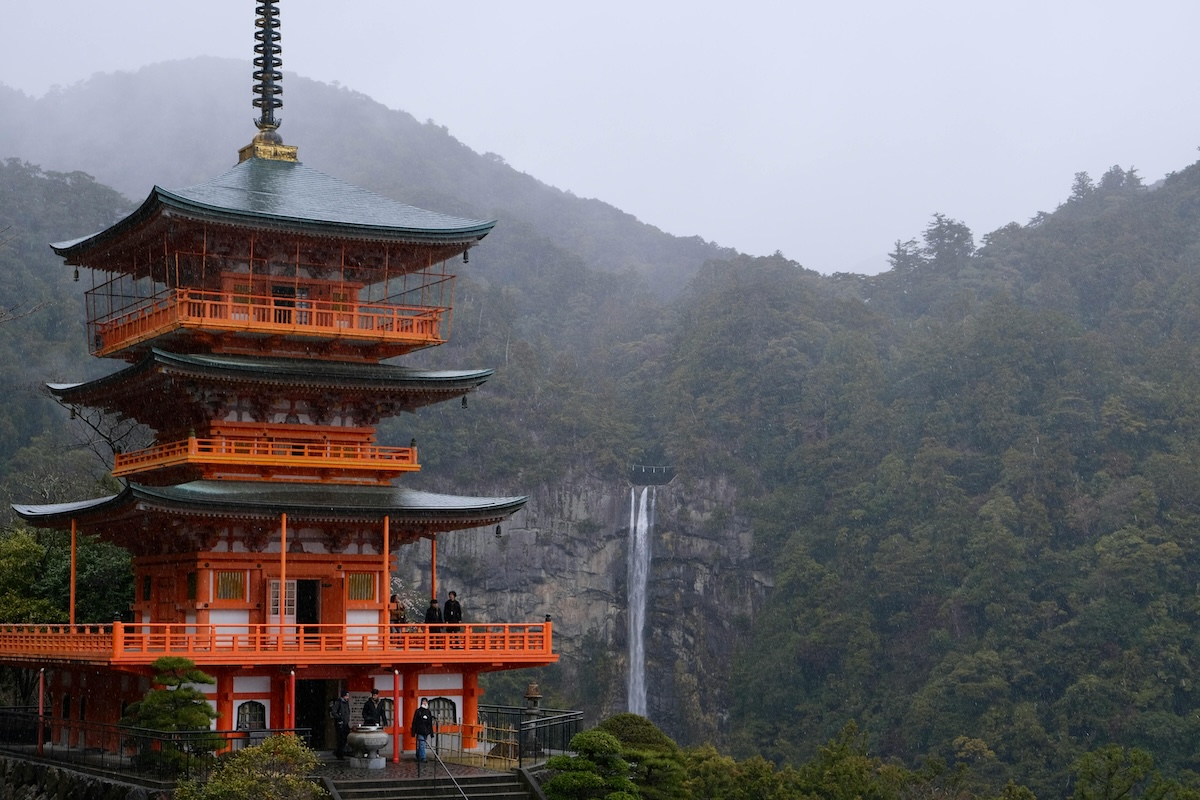
This 1,000-year-old pilgrimage route goes through Japan’s Kii Peninsula to the sacred Kumano Sanzan shrines. People from all walks of life have made this pilgrimage using a network of routes known as the Kumano Kodō. They went on this pilgrimage as an act of religious purification, and today it’s a UNESCO World Heritage Site.
Pilgrims travel for spiritual renewal, traversing mountains and traditional villages along the way. You can also see amazing landscapes as you walk the routes.
Char Dham Yatra (India)
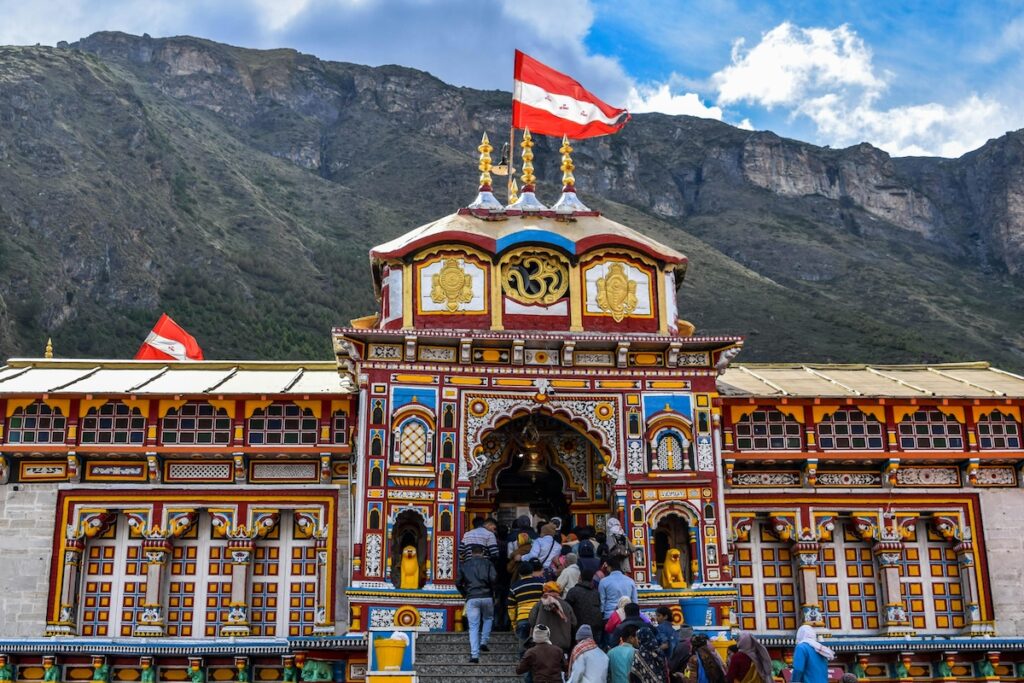
Hindus travel to four Himalayan temples on this pilgrimage (or Yatra)—Badrinath, Kedarnath, Gangotri, and Yamunotri—for spiritual cleansing and connection to their faith. The area is called Uttarakhand, which is also known as Devbhoomi or the Land of Gods.
The shrines are located at high altitudes and so they’re only open for around 6 months out of the year when it’s warm enough.
You’re supposed to do the Char Dham Yatra in a clockwise direction and you can complete it by road or air (helicopter).
🌿 Make this more than a trip — make it a turning point.
Grab the Deeper Travel Planner to map out a soulful solo getaway built around rest, reflection, and renewal.
Zoroastrian Pilgrimage to Chak Chak and Fire Temples (Iran)
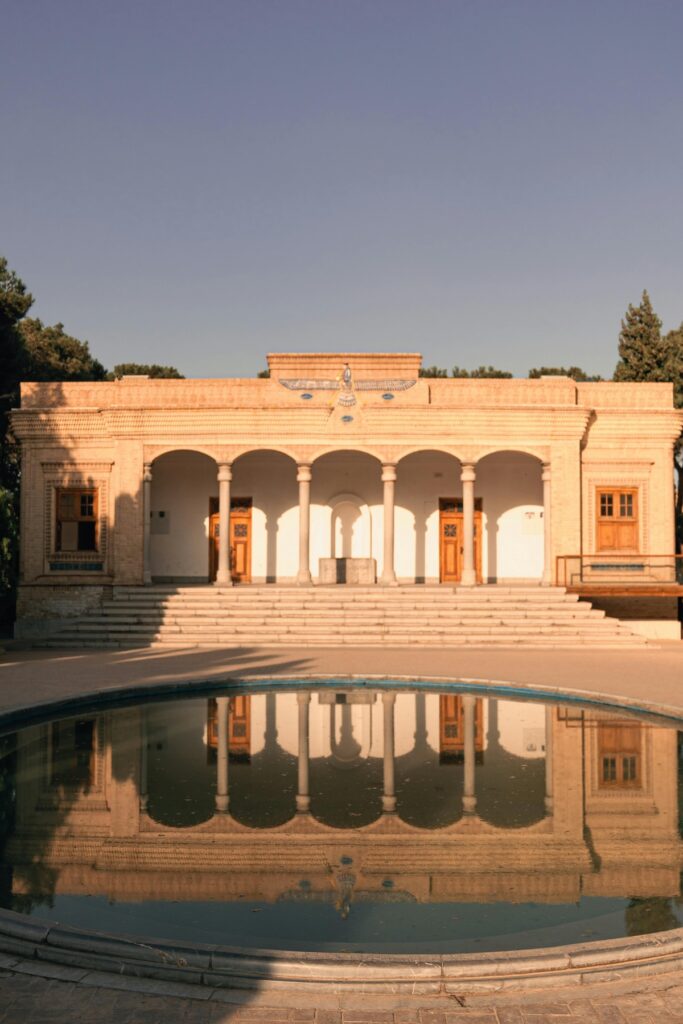
Zoroastrians go on pilgrimages to sacred sites like Chak Chak, where legend says a mountain opened to protect a Sassanian princess, symbolizing divine refuge.
Pilgrims also visit the Fire Temple of Yazd, home to a flame that has burned for over 1,500 years (since 470 AD, continuously even though it has been moved), representing purity and the light of Ahura Mazda.
Jerusalem (Israel)
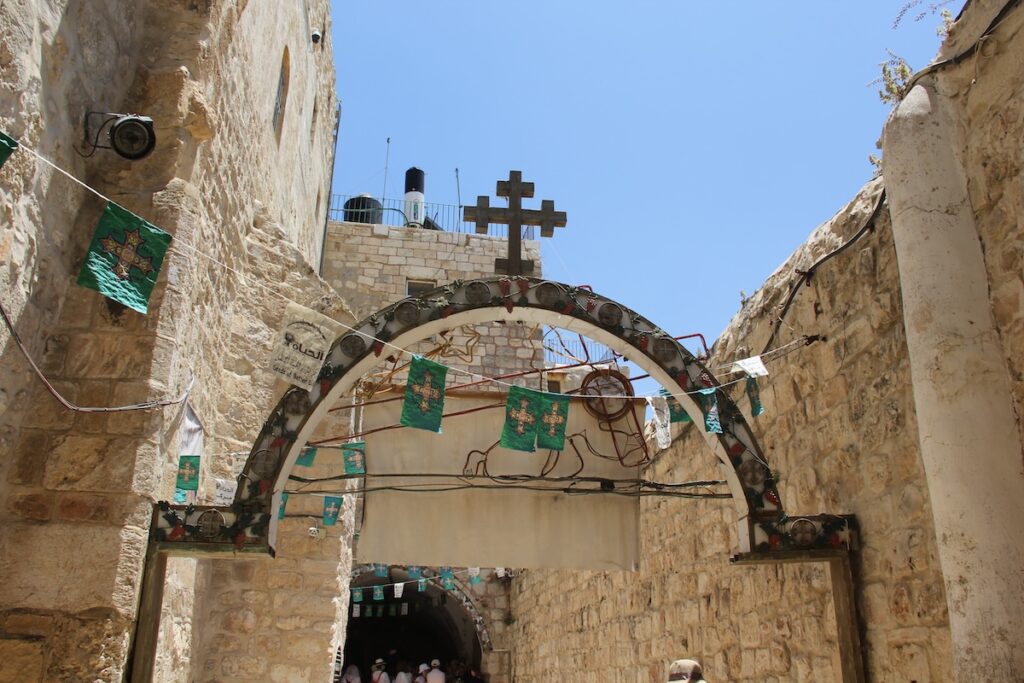
Jerusalem is a pilgrimage destination for Jews, Christians and Muslims for sites like the Western Wall, Church of the Holy Sepulchre, and Al-Aqsa Mosque.
The Via Dolorosa is a popular Christian pilgrimage that follows the path of Jesus carrying the cross, passing through the Church of the Holy Sepulchre and other sites along the way.
Having lived in Israel, I’ve spent time in Jerusalem and walked parts of the Via Dolorosa, where centuries of footsteps echo through the stone-paved streets.
I’ve visited the Church of the Holy Sepulchre many times, and each time, it’s humbling to watch people crying, praying, and even kissing the stone. Whether or not you share the same beliefs, the emotional weight in that space is undeniable.
Jesus Trail (Israel)
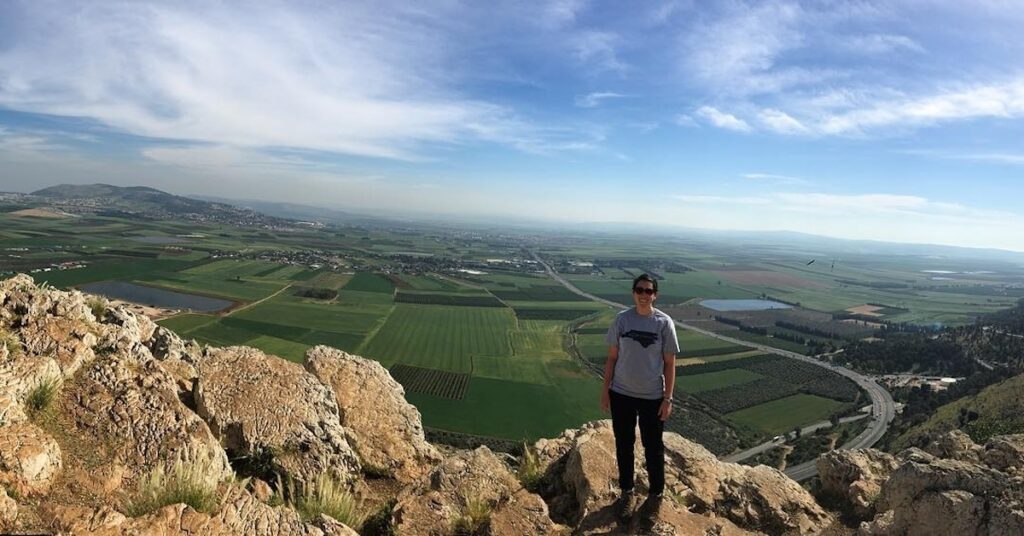
The Jesus Trail is a 65 km (40-mile) hiking route through the Galilee region of Northern Israel, connecting Nazareth to Capernaum.
It traces paths where Jesus is believed to have walked during his ministry, passing through significant archaeological and historical sites.
During my time in Israel, I had the opportunity to explore several segments of this trail. Near Mount Precipice in Nazareth, I accompanied a senior archaeologist from the Israel Parks Authority to the vicinity of Qafzeh Cave, renowned for its prehistoric significance, housing some of the oldest human remains discovered outside Africa, dating back approximately 100,000 years.
Another highlight was Zippori National Park, also known as Sepphoris. This ancient city boasts remarkable mosaics, including the famous “Mona Lisa of the Galilee.” I had the privilege of photographing and participating in excavations here, delving into its rich tapestry of Jewish and Roman history.
The trail also encompasses other significant sites such as Mount Arbel, offering panoramic views of the Sea of Galilee; Magdala, believed to be the hometown of Mary Magdalene; and the Mount of Beatitudes, traditionally considered the location of Jesus’ Sermon on the Mount.
Walking portions of this trail, surrounded by such profound history and natural beauty, provided a deeply reflective and immersive experience.
Bahá’í Gardens & The Cave of Elijah (Israel)
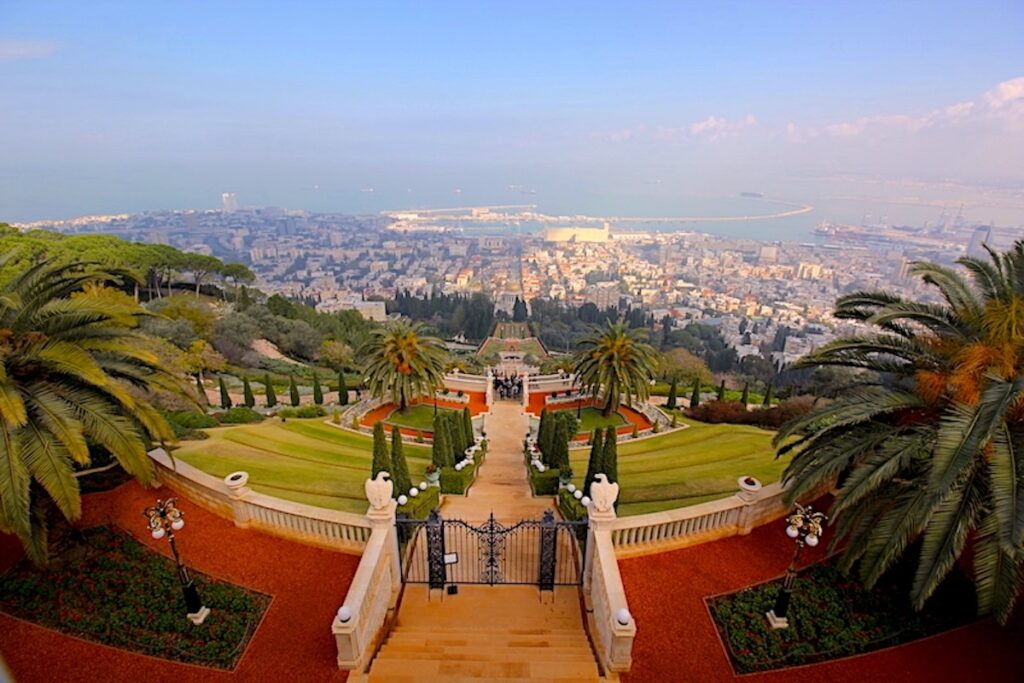
Located on Mount Carmel in Haifa, the Bahá’í Gardens are a pilgrimage destination for followers of the Bahá’í Faith and anyone who wants to visit and learn about Bahá’í faith and history.
The terraced gardens surround the Shrine of the Báb, a sacred site symbolizing peace and unity, and are a landmark in Haifa as well as a UNESCO World Heritage Site.
Christians, Jews and others can also visit the Cave of Elijah in Haifa, which has been a pilgrimage destination for centuries. It’s thought to be where Elijah sought shelter during his time in the wilderness.
When I lived in Haifa, I passed by the Bahá’í Gardens regularly—the one time I took the guided tour, it really hit me just how much intention and symbolism was built into every detail of the space.
Cape Camino (South Africa)
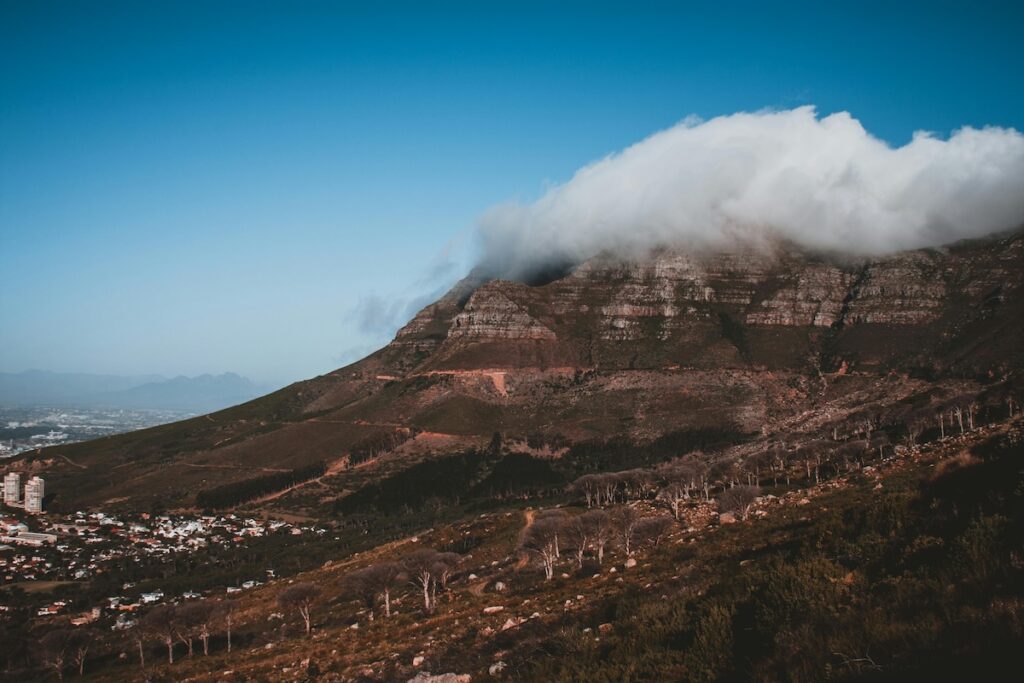
Inspired by the Camino de Santiago, Cape Camino (or “The Way of Table Mountain”) is a South African route that takes pilgrims along diverse spiritual sites, including Islamic shrines, Buddhist teahouses, and natural sacred spaces, promoting reflection and connection with local communities.
Appalachian Trail (Georgia to Maine)
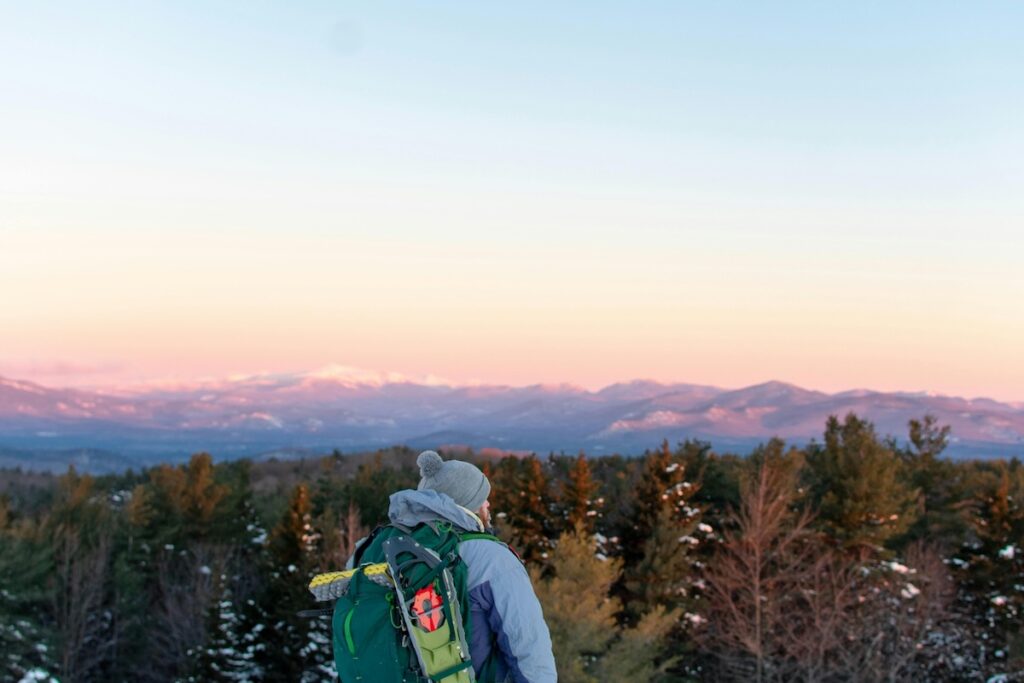
The Appalachian Trail, which spans from Georgia to Maine, is a modern-day pilgrimage for many who seek personal growth, spiritual renewal and a deep connection with nature.
For many, the Appalachian Trail serves as a spiritual pilgrimage, offering solitude in nature and the chance for deep introspection. Similar to ancient pilgrimage routes like the Camino de Santiago, the 2,000+ mile Appalachian Trail has become a place where people seek personal healing, clarity, and a sense of purpose.
It’s also culturally significant, representing a strong connection to the American wilderness, much like pilgrimage routes in Europe tie into their historical and religious roots.
I used to live in North Carolina (including Asheville), and while I’ve never thru-hiked the full trail, I’ve stepped onto it more than once during my time there. Even short hikes along the Appalachian Trail can feel like a pilgrimage—a way to reconnect, reflect, and feel humbled by nature.
Hot Springs Destinations

Many people travel and hike to hot springs for therapeutic soaks that promote relaxation and healing. Some of these are easier to reach and even have resorts connected with spas, retreats and more healing offerings, while others are off the beaten path and require a nature hike to reach.
Spiritual and Energy Vortex Locations

People also travel to vortex destinations on pilgrimage-like trips to experience emotional healing and spiritual clarity; some have already been mentioned, like Jerusalem.
These locations are thought to be places where the veil between the spiritual and physical is thinner, which is a belief that goes back to the Indigenous tribes who lived in these places.
Many of them have features like a holy mountain, unique geographical features (like red rock formations in Sedona, Arizona, pictured above) and more.
I didn’t just feel something in Sedona—I felt it after I left. That trip stirred something in me that I didn’t fully process until I was back home, grounded and changed.
Spiritual Festivals
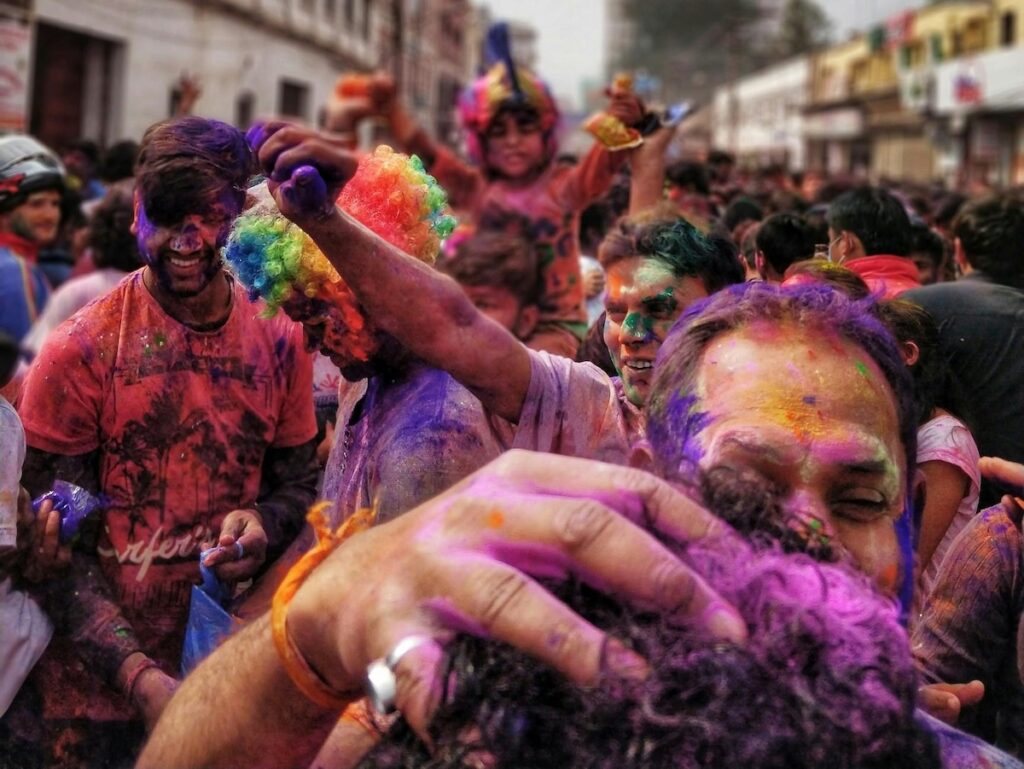
Spiritual festivals around the world are another amazing way to make a pilgrimage to experience these amazing cultural and sacred events that involve community and spiritual practices.
Some examples include Holi in India, Los Posadas in Mexico and Latin America, Samhain in Ireland and Christmas in the US.
✨ A Modern Pilgrim’s Heart
At its core, pilgrimage isn’t just about movement—it’s about meaning.
It’s about listening for the places that call to you… not because they’re trendy, but because something inside you stirs when you hear their name.
It’s about honoring the transitions you’re going through, the grief you carry, the questions that won’t leave you alone. It’s about finding a sense of sacredness in a world that often feels chaotic and cracked.
Whether your path leads to a temple, a trail, a teahouse, a labyrinth, or a hot spring, the invitation is the same: to walk with intention. To leave something behind. To carry something new.
In a time when many of us feel untethered—from tradition, from clarity, from who we used to be—pilgrimage reminds us that it’s okay not to have it all figured out. The path shapes us as we walk it.
You don’t need a perfect itinerary to begin. You just need the pull. The curiosity. The willingness to say yes to a journey you might not fully understand yet.
Because sometimes, the sacred shows up not in the destination—but in the walking.
👉 Want more Spiritual Destinations for pilgrimage? Check out this guide to US destinations or this one for global places next.
🧭 Ready to go deeper?
The Power of Four is a $7 e-book that weaves together ancient wisdom, symbolism, and modern healing through the lens of the elements.
It’s a soulful, self-paced read with journaling prompts, symbolic stories, and travel-inspired insights to walk your path with more clarity.

💬 Travel may be solo, but you don’t have to go it alone.
Come join the Facebook group » to share stories, ask questions, and connect with other mindful travelers.
📌 Feel the pull of the sacred? Save this pin to your travel board for future inspiration.