
11 Types of Pilgrimage You Can Experience in England
From ancient saints to literary legends
I’ve written before about how pilgrimage has ancient roots and how travel has always been about more than simply reaching a destination. During a recent pilgrimage through England, I realized the country offers not one pilgrimage tradition but many, from Christian shrines and medieval walking routes to literary landmarks, Arthurian legends, sacred landscapes, and places of remembrance.
Whether you’re drawn by faith, history, mythology, or curiosity, England invites travelers to journey with intention.
Here are eleven different ways to experience pilgrimage across England, inspired by the places I visited and the stories I encountered along the way.
🔹 This post may contain affiliate links, including Amazon. As an Amazon Associate, I earn from qualifying purchases. I only share what I genuinely recommend. Thank you for your support!
Here are 11 different types of pilgrimage you can experience in England (on their own or combined):
1. Christian Pilgrimages in England
Christian pilgrimage has shaped England for well over a thousand years. Following the arrival of Christianity in Anglo-Saxon England, monasteries, cathedrals, saints’ shrines, and holy wells became important destinations for pilgrims seeking healing, penance, miracles, or a deeper connection with their faith. By the Middle Ages, England was home to some of Europe’s most important pilgrimage sites, drawing travelers from across Britain and the continent.
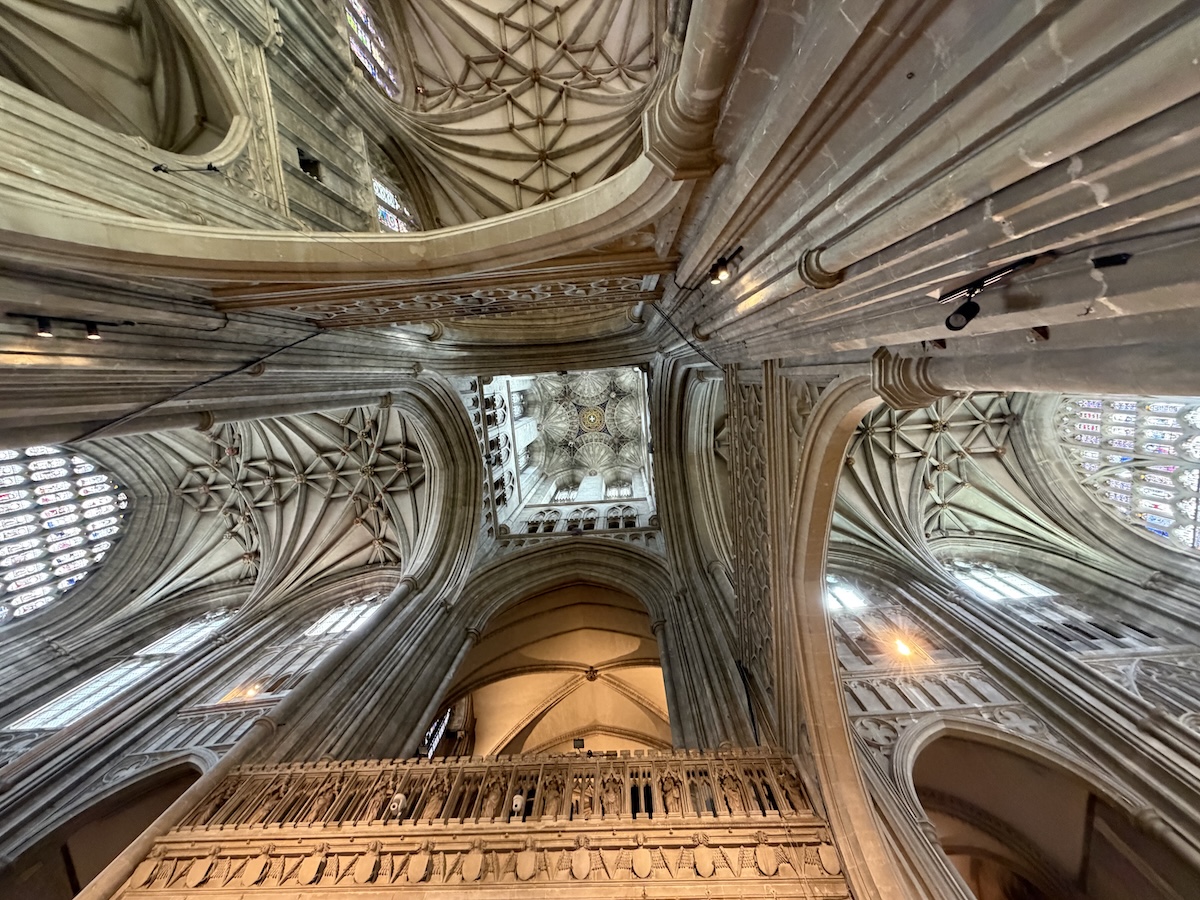
England’s most famous Christian pilgrimage destination remains Canterbury Cathedral, where pilgrims have journeyed since the martyrdom of Thomas Becket in 1170.

Christian pilgrimage in England extends beyond cathedrals and saints’ shrines to include monasteries, historic churches, museums, and archaeological sites that tell the story of Christianity from its earliest days to the present.
During my trip, I visited sites ranging from the ruins of St Augustine’s Abbey in Canterbury, where Christianity first took root in Anglo-Saxon England, to York Minster, Salisbury Cathedral, Rochester Cathedral, and Coventry Cathedral.
We also explored monastic ruins including Whitby Abbey, Rievaulx Abbey, and Kirkham Priory, each offering a glimpse into England’s medieval religious landscape.
My understanding of England’s Christian heritage also grew through visits to places like Stonehenge, Old Sarum, and local history museums, which helped place the rise of Christianity within the broader story of England’s ancient and medieval past.
2. Walking Pilgrimages: Following Ancient Paths
For some pilgrims, the act of walking is a key part of pilgrimage. Across England, ancient pilgrimage routes are experiencing a revival as travelers seek slower, more intentional ways to explore the landscape. Combining history, spirituality, wellness, and long-distance walking, these paths invite people to step away from modern distractions and reconnect with both the land and themselves.
Historic routes such as the Pilgrims’ Way, St. James’ Way, and the Old Way follow pathways that have linked sacred sites, villages, churches, and communities for centuries. Whether motivated by faith, personal reflection, or a desire for meaningful travel, modern pilgrims are rediscovering that sometimes the journey itself is the destination.
Many of these historic routes can be walked independently over a single day or several weeks, making them accessible to travelers with a wide range of interests and abilities.

3. Arthurian Pilgrimage
For many travelers, pilgrimage is not only about religion but also about myth, legend, and the stories that continue to shape our imagination. Few legends are as deeply woven into the English landscape as the tales of King Arthur, Camelot, Merlin, and the Holy Grail.
While historians continue to debate whether Arthur was based on a real person, countless travelers have followed Arthurian traditions for centuries, turning parts of England into destinations of mythic pilgrimage.
The most famous Arthurian destinations are found in Somerset and Cornwall. Glastonbury Abbey occupies a unique place where Christian tradition and legend intersect. Medieval monks claimed to have discovered the graves of King Arthur and Queen Guinevere within the abbey grounds, helping establish Glastonbury as one of Britain’s most enduring Arthurian sites.
Nearby Glastonbury Tor, Cadbury Castle, and the wider Somerset landscape have all been linked to Avalon, Camelot, and the legends surrounding Arthur’s kingdom.
I was surprised to discover how deeply these traditions extend beyond a single landmark. During my visit to Bruton, local museums and historic sites highlighted connections between the surrounding landscape and Arthurian storytelling. The area also shares a literary connection through John Steinbeck, who lived nearby while working on The Acts of King Arthur and His Noble Knights, his modern retelling of Malory’s classic tales.

Like the search for Camelot itself, Arthurian pilgrimage often becomes less about finding a single location and more about exploring the landscapes, stories, and enduring mysteries that continue to inspire generations of travelers.
👉 Book this Glastonbury and Cheddar Gorge Guided Day Tour from London
4. Literary Pilgrimage
Not all pilgrimages are religious. For centuries, readers have traveled to places associated with beloved authors, poets, and literary characters in search of a deeper connection to the stories that shaped them. Across England, literary pilgrims can visit authors’ homes, explore landscapes that inspired famous works, and discover how literature continues to shape the places where it was created.
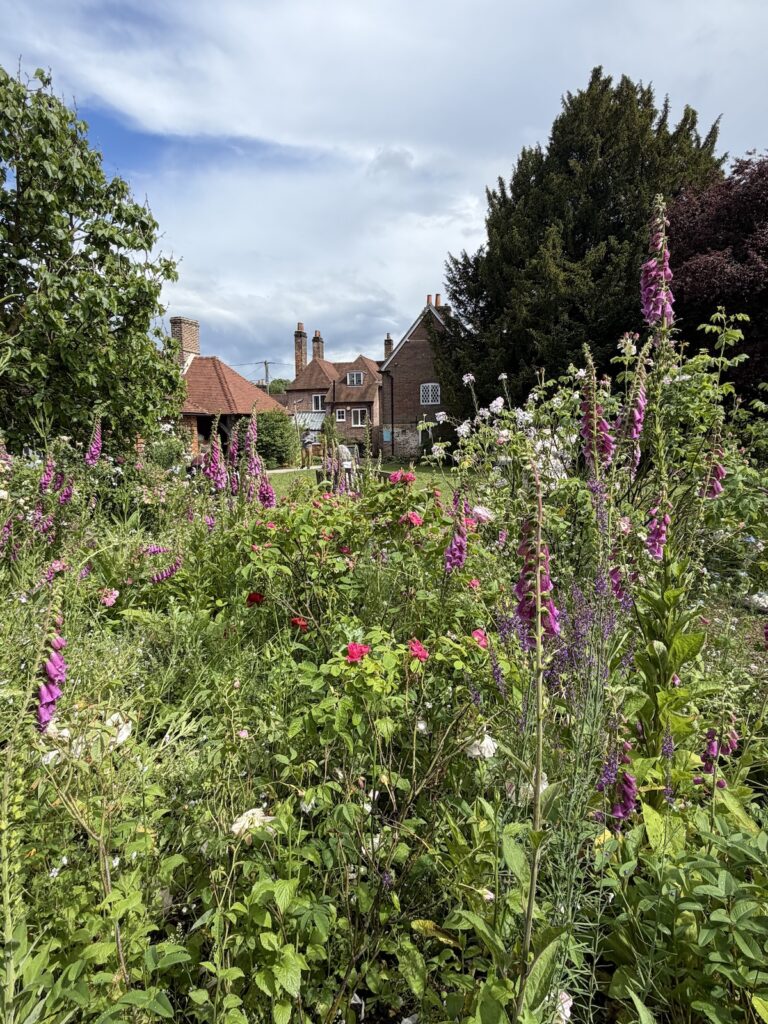
England offers countless opportunities for literary pilgrimage. I visited the Jane Austen house in Chawton and it had amazing exhibits. Admirers can also visit her grave in Winchester Cathedral.
Shakespeare enthusiasts journey to Stratford-upon-Avon. Readers of the Brontës explore Haworth and the Yorkshire moors, while Dickens fans follow his connections to Rochester, Chatham, London, and beyond. Tolkien pilgrims often begin in Oxford before seeking out landscapes, myths, and historic sites that helped inspire Middle-earth.
👉 Book this Charles Dickens Walking Tour in London
During my travels, I was struck by how literary history appeared in unexpected places. In Canterbury, literary references range from Geoffrey Chaucer’s Canterbury Tales to T.S. Eliot’s Murder in the Cathedral. In Bruton, I discovered connections to John Steinbeck, who worked on his retelling of the Arthurian legends while living nearby.

These encounters reveal that literary pilgrimage is not limited to famous houses and museums. It can also be found in plaques, memorials, bookstores, landscapes, and the stories that continue to shape England’s cultural identity.
🌀🌊🦋☀️Curious what your travel symbol might be?
Take the Travel Archetype Quiz to discover which symbol reflects your journey.
Each archetype represents a different phase of transformation—like grounding, flow, release, or rebirth—and helps guide your next steps.
When you complete the quiz, you’ll get a free guide tailored to your symbol, including journal prompts, travel ideas, and more.
5. Gothic Pilgrimage
While some pilgrims seek saints or sacred sites, others are drawn to places shaped by mystery, folklore, and the Gothic imagination. Across England, ruined abbeys, medieval churches, ancient graveyards, and Gothic architecture have inspired generations of writers, artists, and travelers.
These destinations offer a different kind of pilgrimage, one centered on atmosphere, storytelling, and the enduring fascination with the unknown.
No Gothic pilgrimage site is more famous than Whitby Abbey, whose dramatic ruins overlooking the North Sea helped inspire Bram Stoker’s Dracula. Visiting here helped me feel like I completed a side quest, because I’ve also been to Bran Castle in Romania!
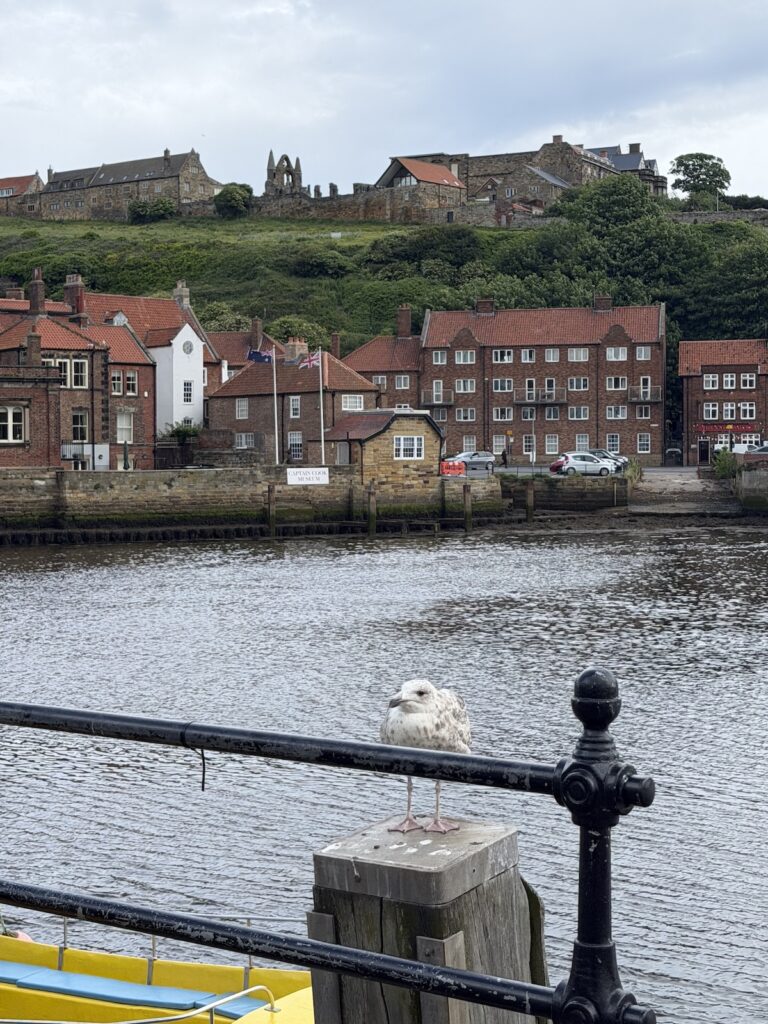
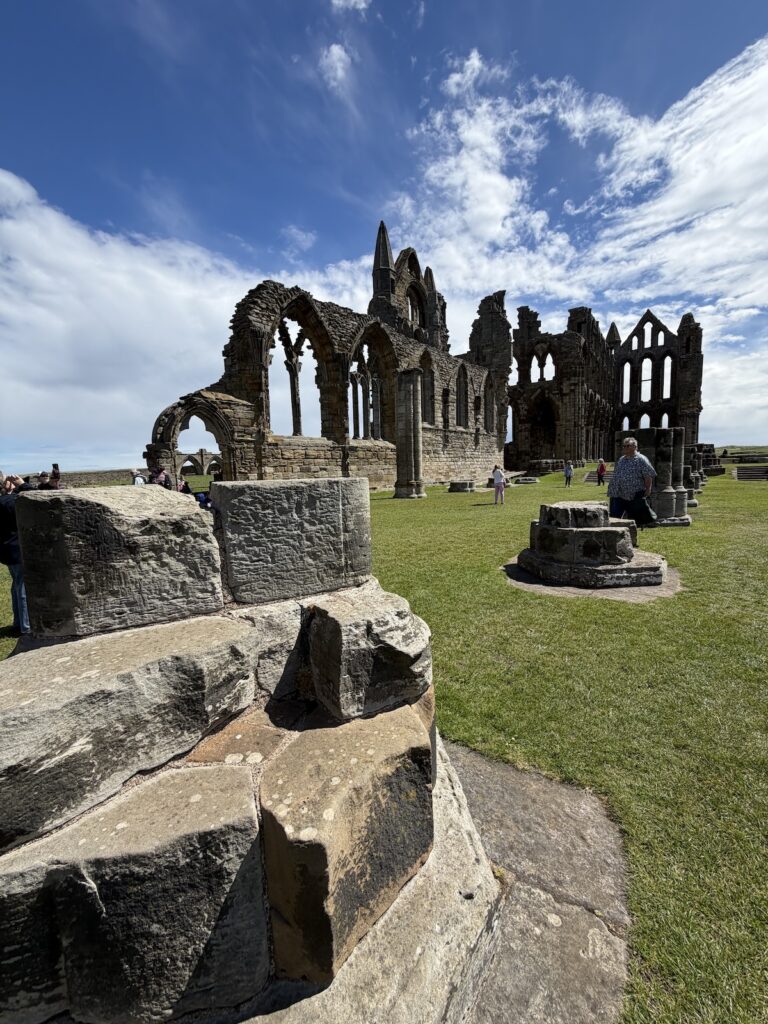
York Minster, with its soaring Gothic architecture, gargoyles, and medieval atmosphere, offers another window into England’s Gothic heritage, while sites such as Rievaulx Abbey, Kirkham Priory, and Highgate Cemetery demonstrate how ruins, graveyards, and historic landscapes continue to capture the imagination.
Whether drawn by ghost stories, Gothic literature, or a love of hauntingly beautiful places, travelers can find countless destinations where history and mystery intertwine.
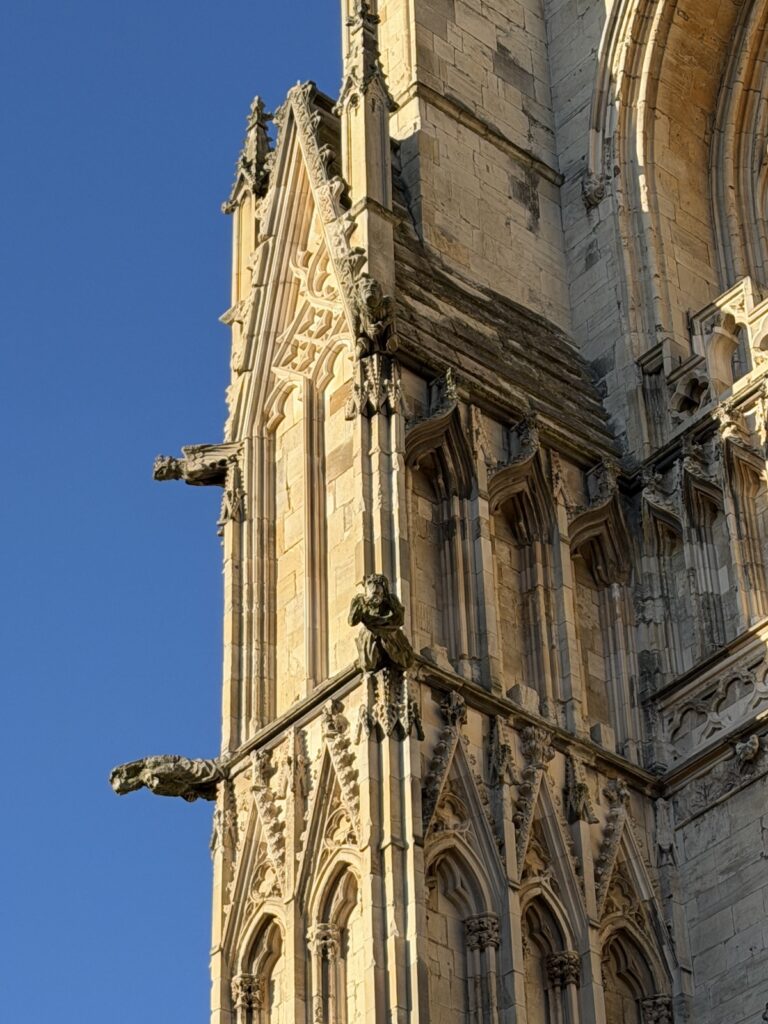
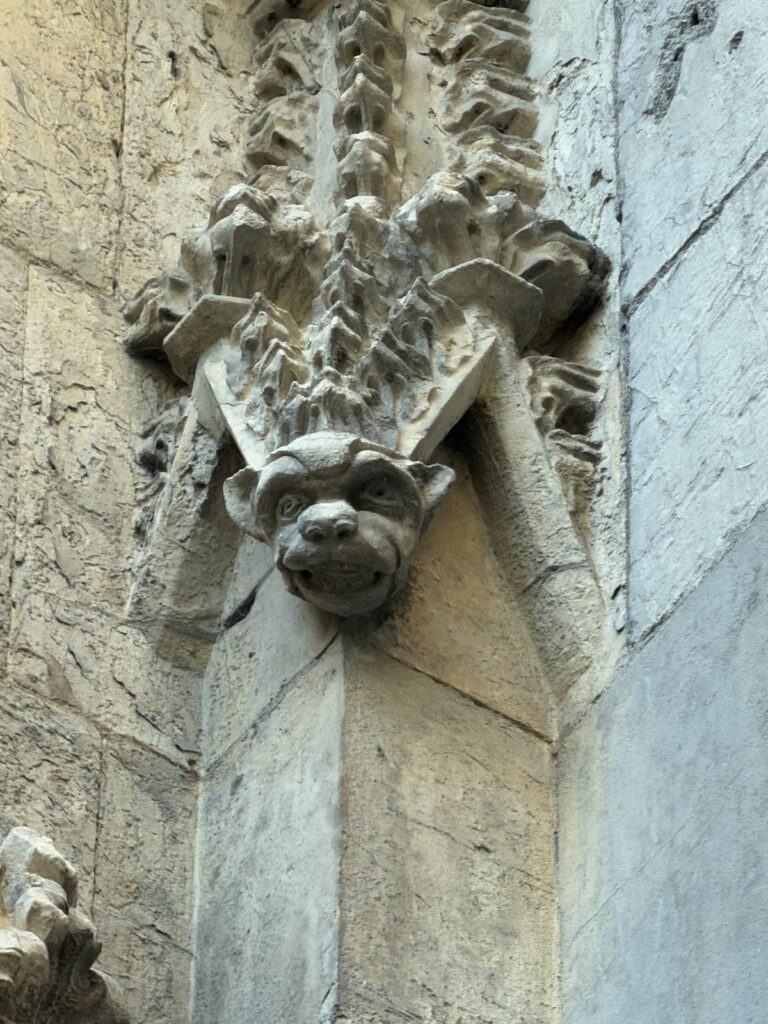
👉 Book this Private York Minster Guided Walking Tour for extra information on your visit.
One of the highlights of my trip was the Bloody Tour of York with the famous Mad Alice – she’s so talented!
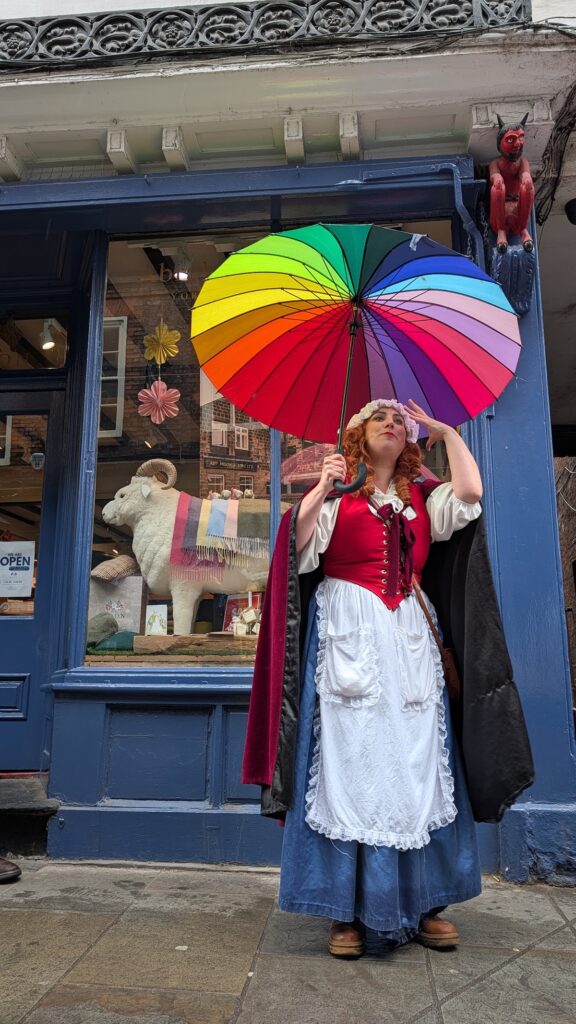
👉 Book the famous Mad Alice Bloody Tour of York (I highly recommend this!)
6. Jewish Pilgrimage & Memory
Pilgrimage is not always about devotion to a saint or a sacred shrine. Sometimes it is about remembrance, witness, and honoring communities whose stories shaped a place. Across England, sites connected to Jewish history offer travelers an opportunity to explore both the richness of Jewish heritage and the challenges faced by Jewish communities throughout the centuries.
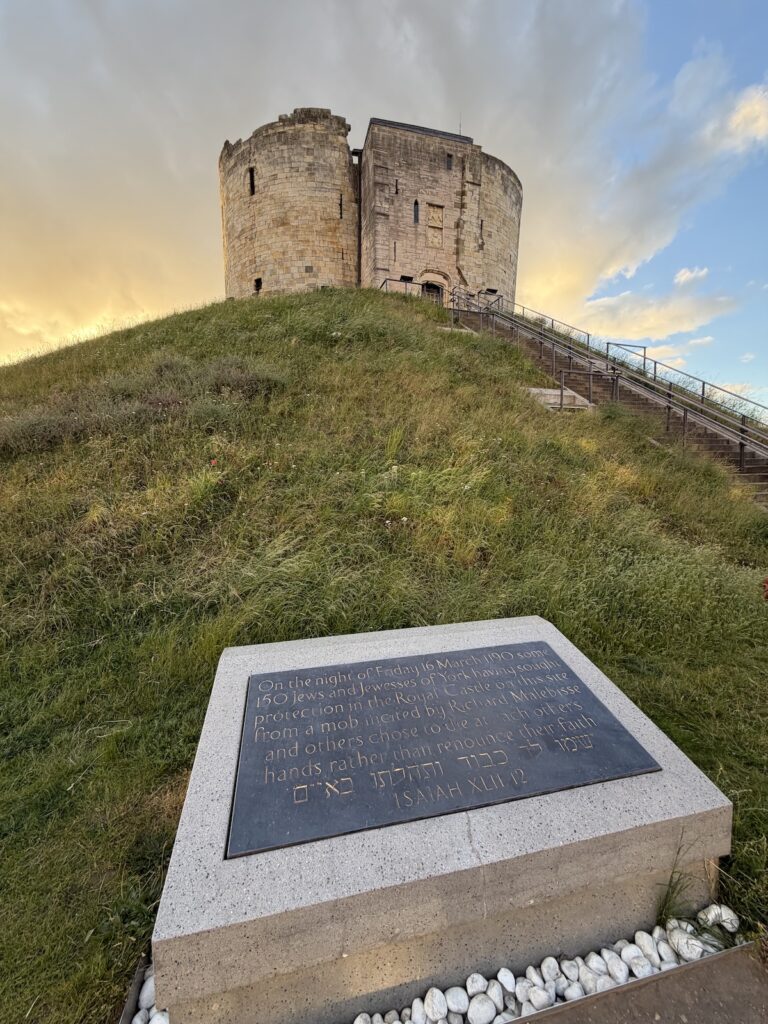
York is one of the most significant destinations for this type of pilgrimage. Sites such as Clifford’s Tower, Jewbury, and plaques marking the location of the medieval synagogue and the home of Aaron of York help preserve the memory of one of England’s most important medieval Jewish communities.
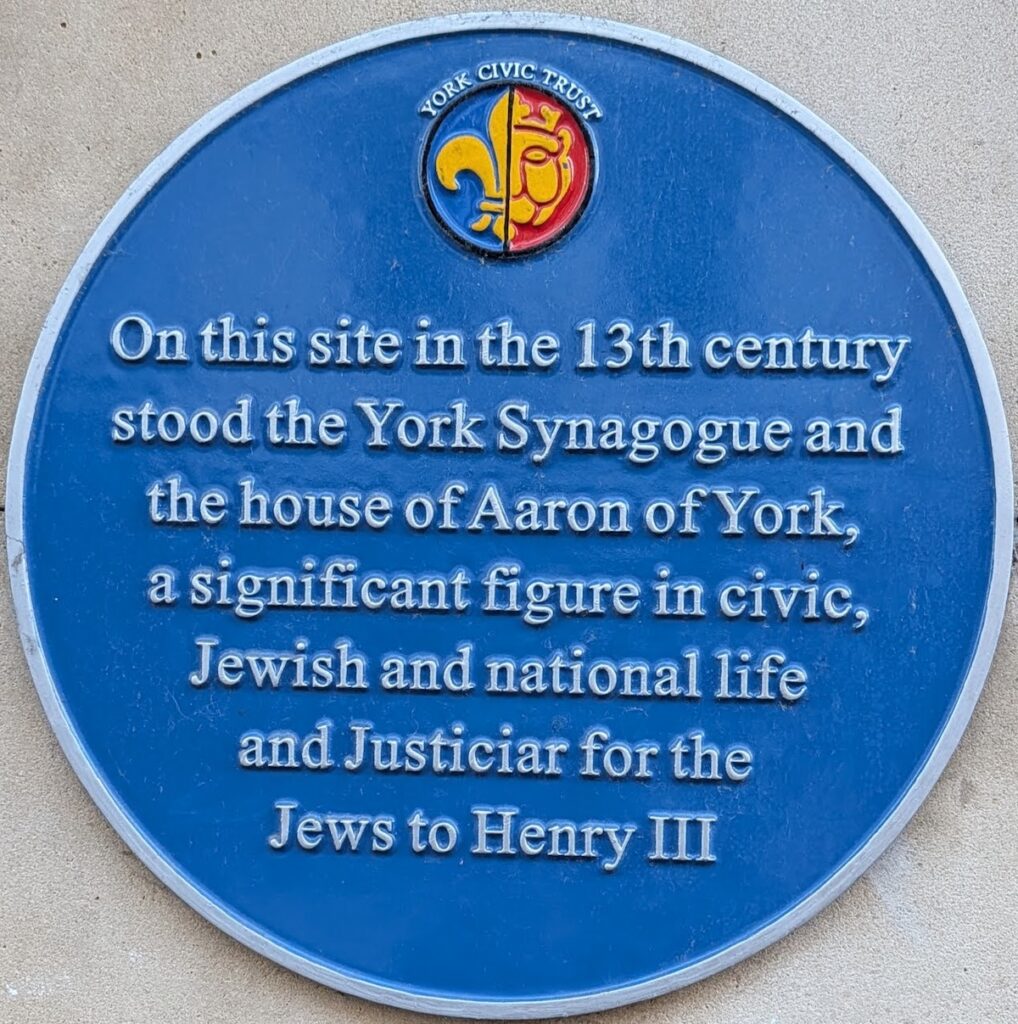
Other destinations, including Lincoln’s historic Jewish Quarter and London’s Bevis Marks Synagogue, reveal additional chapters of Jewish life in England. Together, these places invite visitors to engage with history through remembrance, reflection, and a deeper understanding of the communities that helped shape England’s cultural landscape.
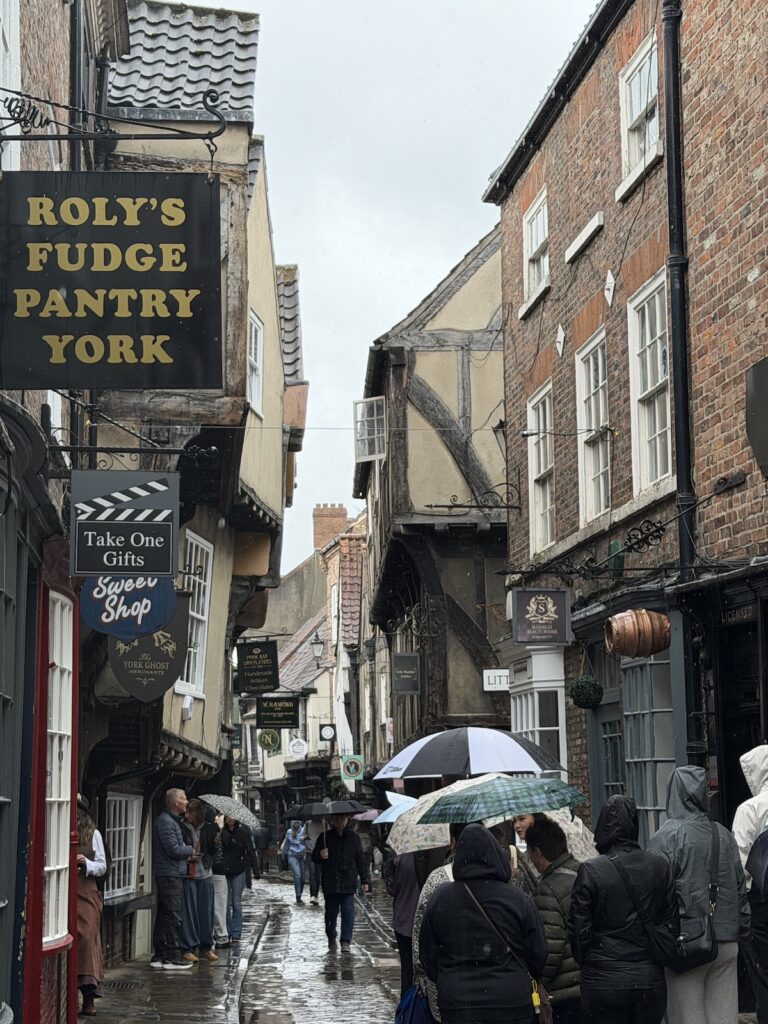
👉 Book this Jewish History Walking Tour in London
🌿 Make this more than a trip — make it a turning point.
Grab the Deeper Travel Planner to map out a soulful solo getaway built around rest, reflection, and renewal.
7. Folklore & Legend Pilgrimage
Not all pilgrimages follow historical figures or documented events. Some lead travelers into the world of folklore, where legends, symbols, and stories become part of the landscape itself.
Across England, forests, ancient monuments, village traditions, and historic cities preserve tales of outlaws, giants, dragons, mysterious figures, and other enduring legends that continue to shape local identity.
One of the best-known examples is Sherwood Forest, forever associated with Robin Hood and his band of outlaws. I loved spotting the Green Man carvings hidden in churches and cathedrals.
You can also explore sites connected to giants and dragons, or visit ancient monuments such as Wayland’s Smithy and the Rollright Stones, where archaeology and folklore often overlap.
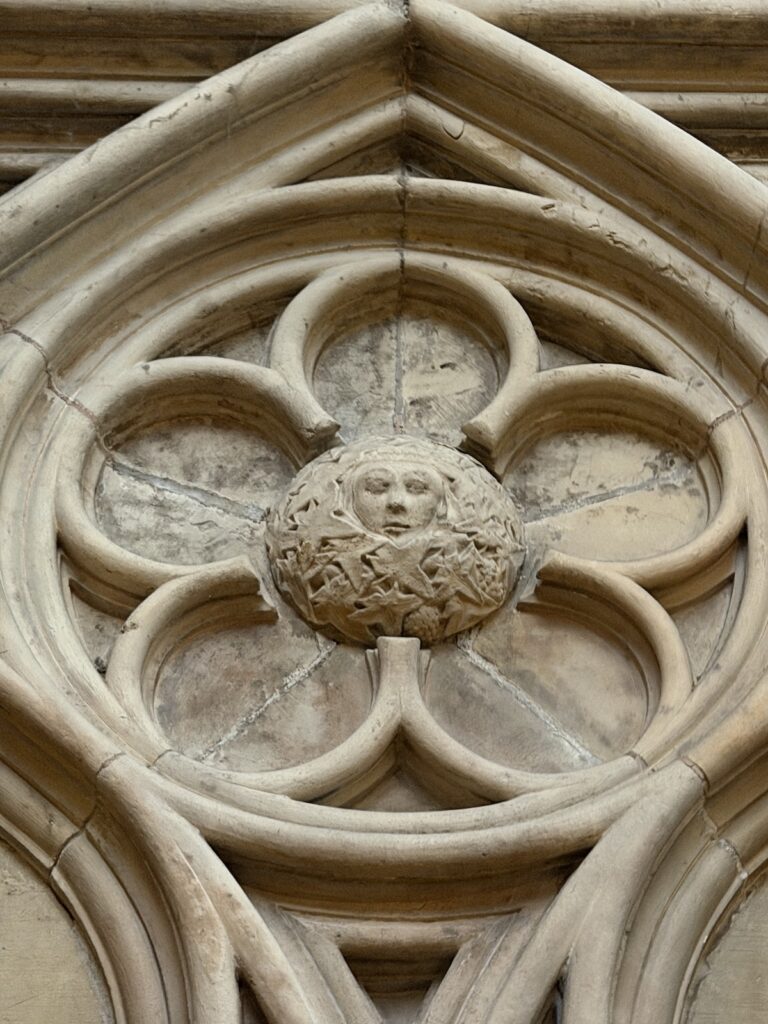
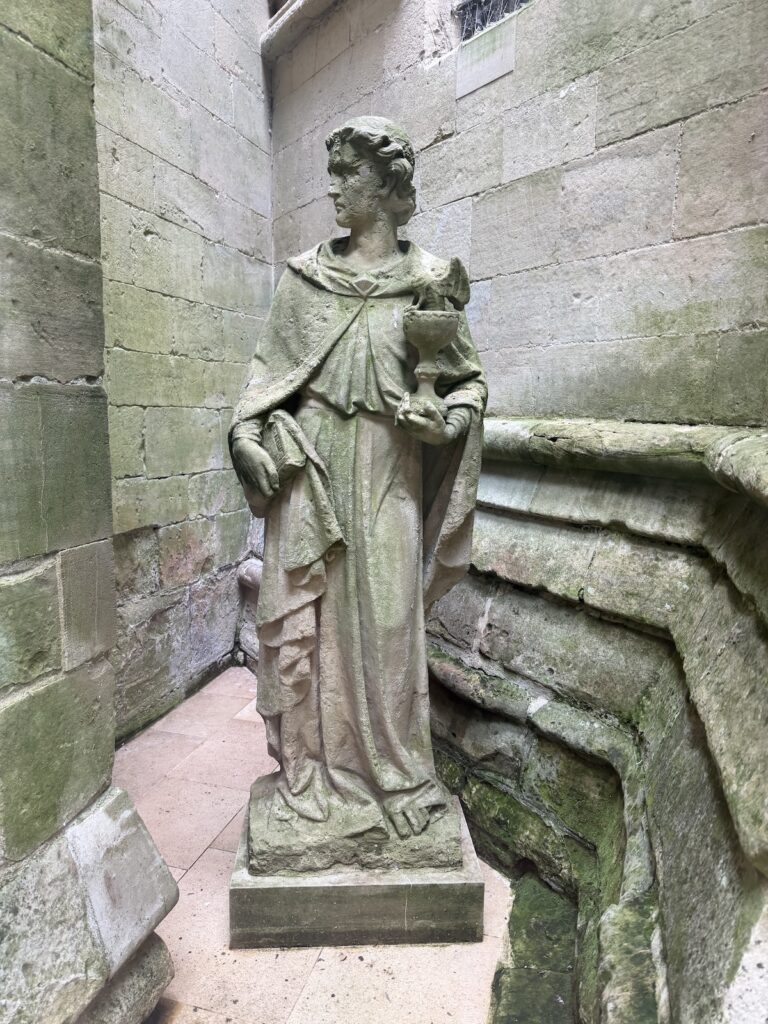
Whether following a centuries-old legend or uncovering local stories along the way, folklore pilgrimage invites travelers to experience England through the myths that continue to animate its landscapes.
👉 Book this Nottingham and Robin Hood Private Guided Walking Tour
8. Ancient Britain Pilgrimage
Long before England’s cathedrals, castles, and royal palaces, the island was shaped by Celtic tribes, Roman legions, Anglo-Saxon kingdoms, and Viking settlers.
Today, travelers can explore landscapes, archaeological sites, museums, and monuments that preserve the legacy of these ancient cultures. For many visitors, this becomes a form of heritage pilgrimage, offering a deeper connection to Britain’s distant past.
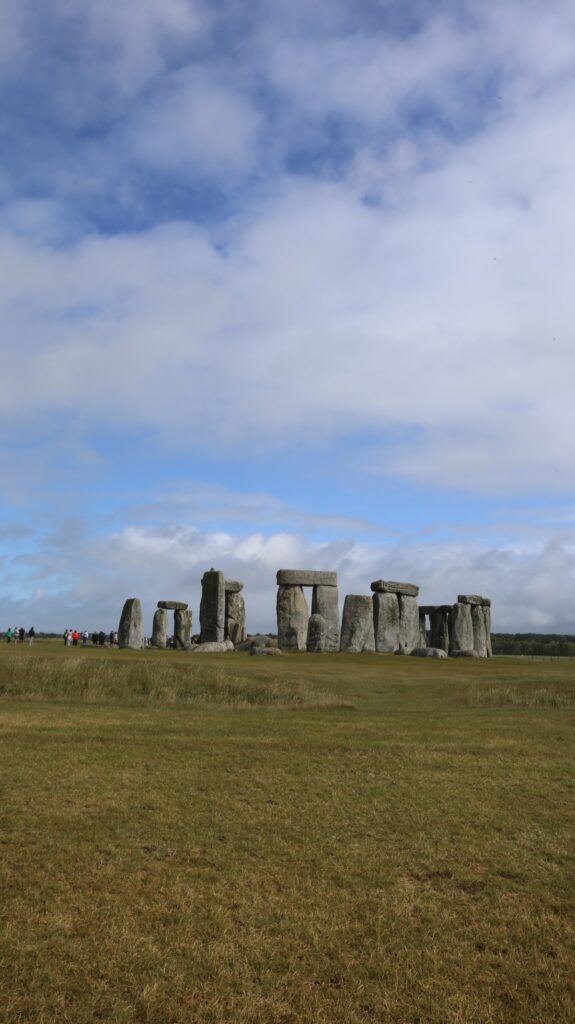
Sites such as Stonehenge, Hadrian’s Wall, Sutton Hoo, and Lindisfarne (Holy Island) reveal different chapters of Britain’s story, while museums in cities such as York and Salisbury help bring these civilizations to life through remarkable artifacts and archaeological discoveries.
Whether exploring Roman engineering, Anglo-Saxon treasures, Viking settlements, or traces of Celtic Britain, heritage pilgrims discover the many layers of history that continue to shape England today.
👉 Book this York Viking History Walking Tour Adventure
👉 Book this Pilgrims’ Path walk across the sands to Holy Island
9. Magic & Sacred Landscapes
Throughout history, people have traveled to stone circles, sacred hills, labyrinths, and places believed to hold spiritual significance on pilgrimages. In England, ancient traditions continue to exist alongside Christian pilgrimage, creating landscapes where prehistoric monuments, medieval cathedrals, and modern spiritual practices often overlap.
Stonehenge and Avebury remain among England’s most iconic sacred landscapes, drawing everyone from archaeologists and history enthusiasts to modern Druids and spiritual seekers. Places such as Glastonbury demonstrate how Christian tradition, Arthurian legend, and modern spirituality can coexist in a single landscape.
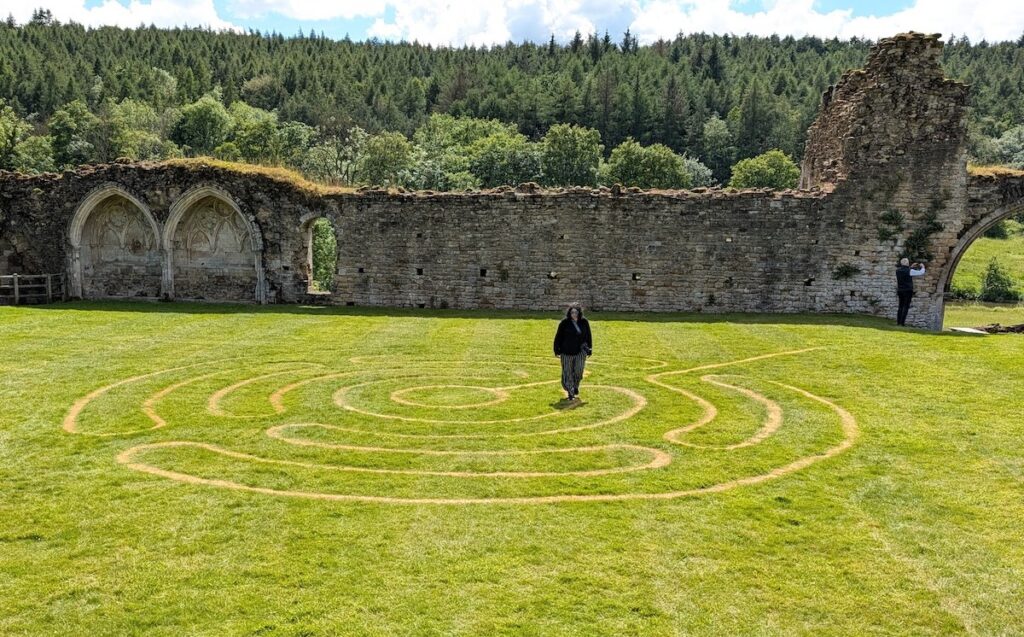
Others explore cathedral labyrinths inspired by medieval designs, sites connected with Celtic traditions, or places associated with England’s rich history of folklore, magic, and pagan customs. During my trip, I especially enjoyed walking the labyrinth at Kirkham Priory, a simple reminder that pilgrimage can be just as much about slowing down and reflecting as reaching a destination.
Whether attending a solstice gathering, tracing an ancient ceremonial landscape, or following a winding path through a labyrinth, these journeys reflect a timeless human desire to connect with something larger than ourselves.
📚 The Book of English Magic has been a fascinating companion for learning more about England’s folklore, magical traditions, and the ways ancient beliefs continue to shape the landscape today.
10. Royal Pilgrimage
For centuries, travelers have journeyed to places associated with England’s kings and queens. From coronation churches and royal tombs to castles, palaces, and ceremonial sites, these destinations offer visitors a chance to connect with the people and events that shaped the nation’s history. While not traditionally considered pilgrimage sites, they continue to attract travelers fascinated by England’s royal heritage.
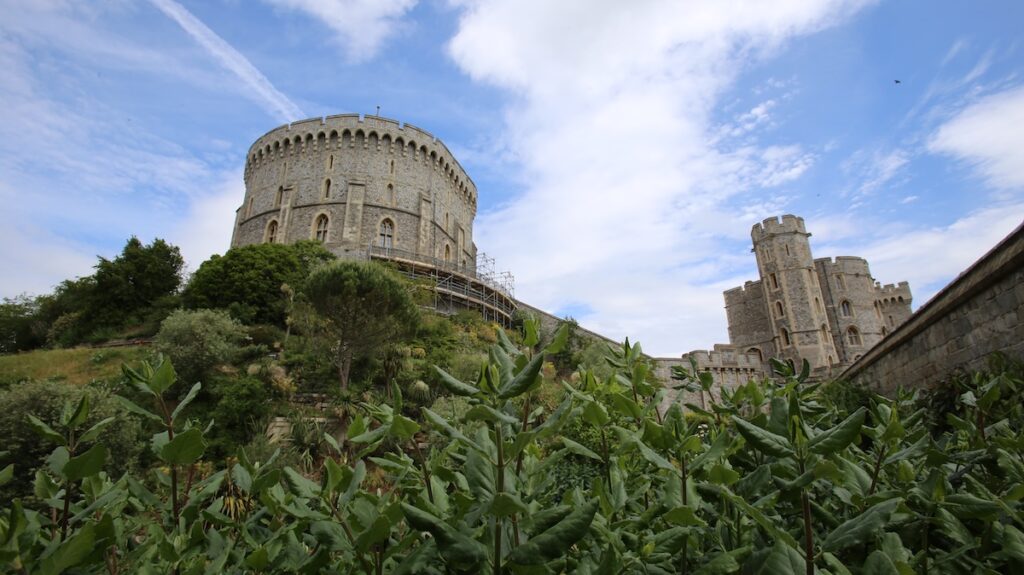
Westminster Abbey remains the heart of royal pilgrimage, having hosted coronations, royal weddings, and burials for nearly a thousand years. Other important destinations include Windsor Castle and St. George’s Chapel, where generations of monarchs are buried, as well as historic palaces, castles, and royal residences throughout the country.
Whether exploring the legacy of the Tudors, the Plantagenets, or the modern monarchy, royal pilgrimage offers a unique window into the traditions, ceremonies, and stories that continue to shape England’s identity.
11. Country House and Garden Pilgrimage
Some pilgrimages are inspired not by religion or legend, but by beauty, history, and landscape design. Across England, grand country houses, stately homes, and historic gardens invite visitors to step into centuries of architecture, art, and cultural heritage.
Many of these estates were intentionally designed as places of reflection, with classical temples, lakes, hidden paths, and carefully framed views encouraging visitors to slow down and contemplate the landscape.
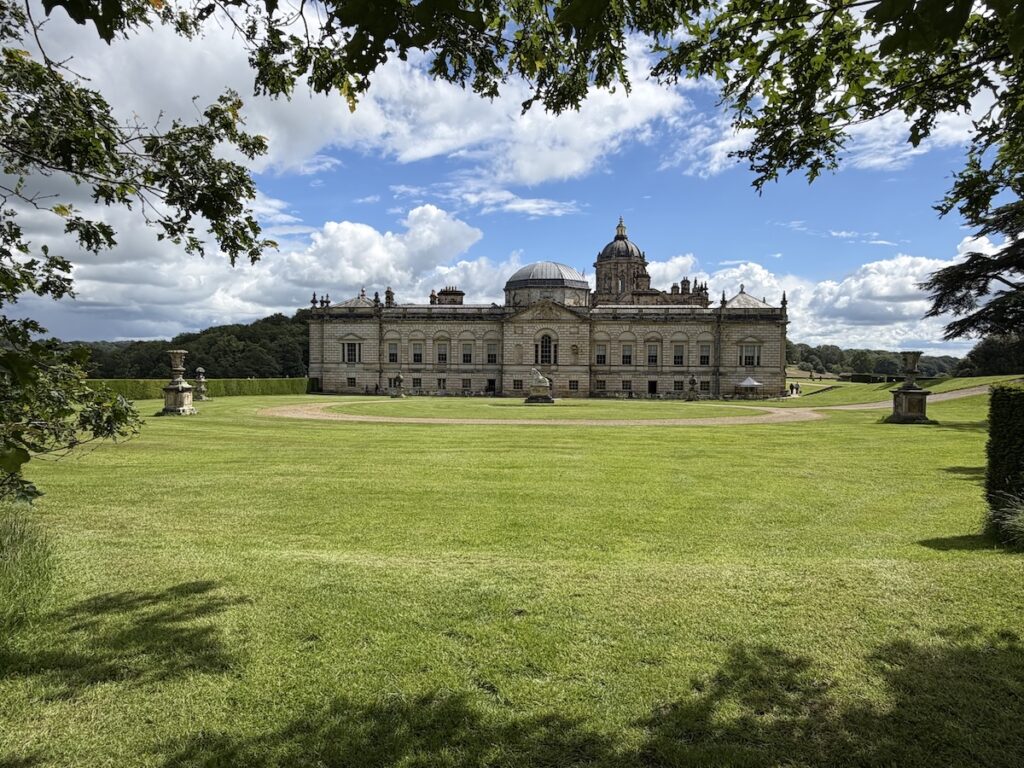
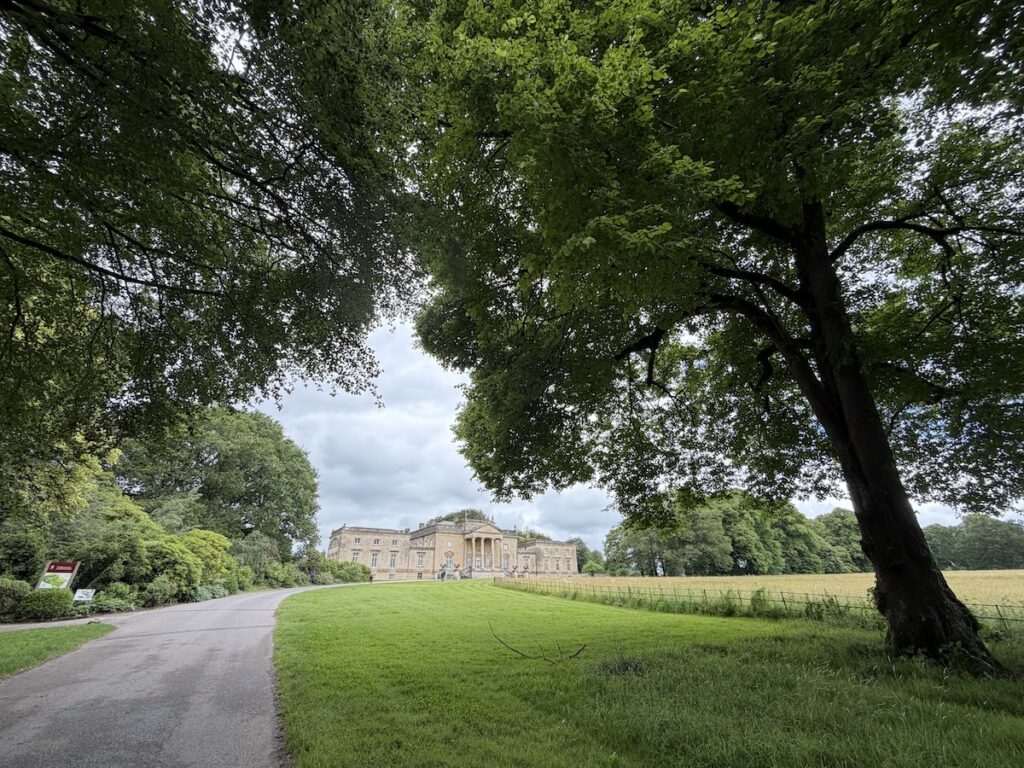
Sites such as Castle Howard and Stourhead demonstrate how architecture, gardens, lakes, temples, and carefully designed vistas can create experiences that feel almost spiritual in their own right.
Whether exploring aristocratic estates, wandering through landscaped gardens, or discovering the stories of the families who shaped them, travelers often find these places encourage the same sense of reflection, wonder, and connection that has drawn pilgrims to meaningful destinations for centuries.
Finding Your Own England Pilgrimage
Pilgrimage means different things to different people. For some, it begins in a cathedral. For others, it starts on a walking trail, in the pages of a favorite novel, among ancient stones, or in a place where history asks to be remembered. What connects these journeys is not a single religion or destination, but the search for meaning.
One of the things I loved most about traveling through England was discovering how these pilgrimage traditions overlap. A single destination might tell stories of faith, literature, legend, archaeology, and memory all at once. That layering is part of what makes England such a rewarding place to explore.
No matter what draws you there, I hope you’ll slow down, look a little deeper, and discover the pilgrimage that speaks to you. What pilgrimage will you create?
🧭 Ready to go deeper?
The Power of Four is a $7 e-book that weaves together ancient wisdom, symbolism, and modern healing through the lens of the elements.
It’s a soulful, self-paced read with journaling prompts, symbolic stories, and travel-inspired insights to walk your path with more clarity.

💬 Want to keep the conversation going?
Join other solo travelers in the Facebook group » to share thoughts, stories, and questions.


