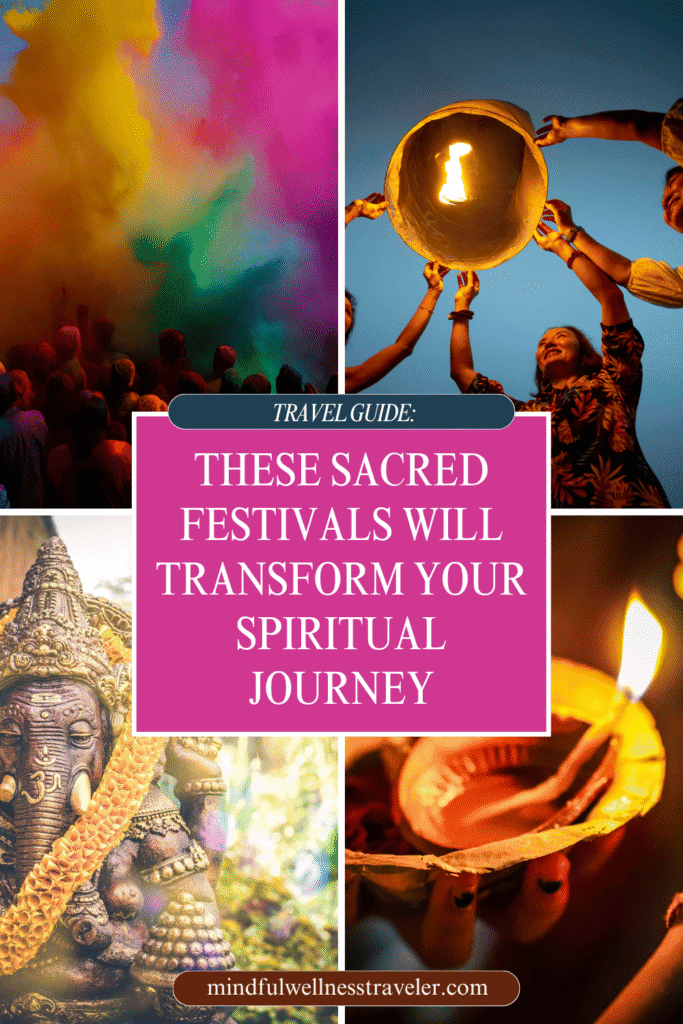
These Sacred Festivals Will Transform Your Spiritual Journey
There’s something soul-shifting about arriving in a place where people have gathered for centuries to honor the sacred—and finding yourself swept up in it, surrounded by others seeking something just like you.
Spiritual festivals around the world offer more than beautiful rituals or colorful processions—they invite you into a shared experience.
Whether you’re lighting a candle beside strangers, dancing in ancient rhythms, or watching lanterns drift into the night sky, you’re not just witnessing tradition—you’re part of something timeless, something human.
For many of us who’ve left behind the spiritual systems we were raised with—or never had one to begin with—these kinds of experiences help us piece together meaning in new ways. Like the blending of patterns in old pottery, we’re drawing from different stories, places, and paths to shape something that feels whole.
From high holy days to vibrant seasonal festivals, here are some of the most spiritually resonant celebrations across the globe—each one offering a doorway into reflection, connection, and maybe even a little transformation.
Wesak/Vesak, or Buddha Day: Sri Lanka, Thailand, and other Buddhist countries
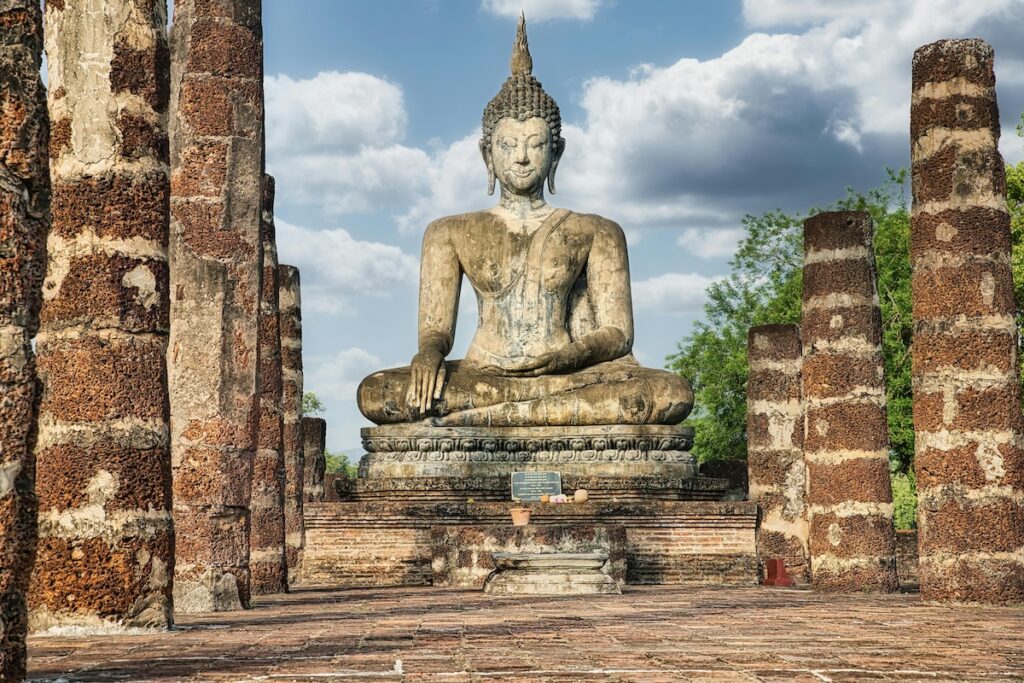
Celebrated across Southeast Asia, Vesak (also known as also known as Buddha Jayanti, Buddha Purnima, and Buddha Day) honors the birth, enlightenment, and death of Siddhartha Gautama, known as Buddha. It’s marked by lantern festivals, a reenactment, acts of kindness, eating vegetarian and offerings at temples.
This holiday is celebrated by Buddhists and some Hindus, and while it falls on the first full moon in May (by the lunar calendar), it’s actually celebrated at different times by different groups.
Dia de los Muertos (Day of the Dead): Mexico
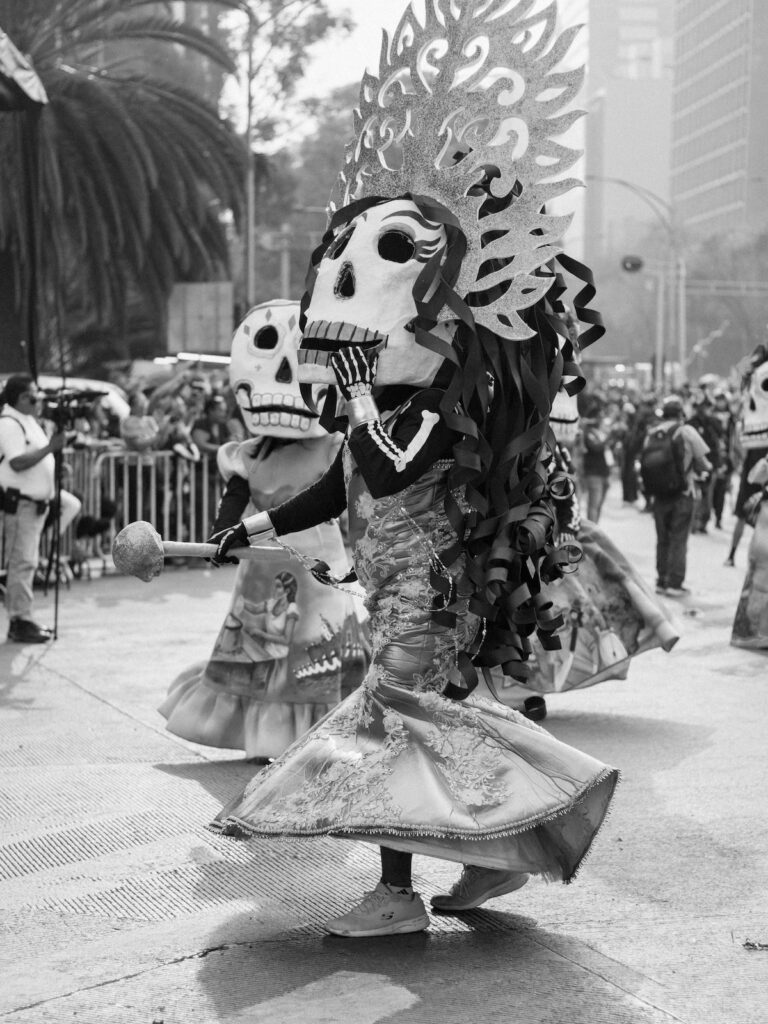
The Day of the Dead, or Dia de los Muertos, is a vibrant celebration where families honor their deceased loved ones, who are thought to come back to celebrate with them, with colorful altars, offerings, and festivities, blending indigenous and Catholic traditions.
🌀🌊🦋☀️Curious what your travel symbol might be?
Take the Travel Archetype Quiz to discover which symbol reflects your journey.
Each archetype represents a different phase of transformation—like grounding, flow, release, or rebirth—and helps guide your next steps.
When you complete the quiz, you’ll get a free guide tailored to your symbol, including journal prompts, travel ideas, and more.
Shinto Aoi Matsuri: Kyoto, Japan
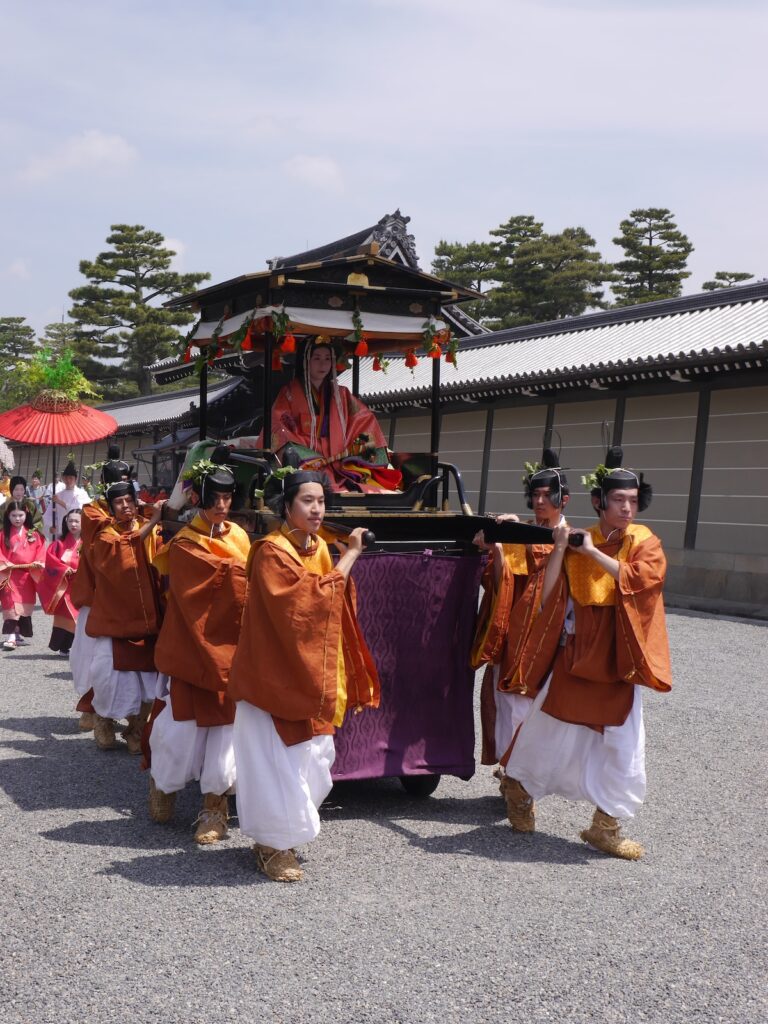
Shinto Aoi Matsuri is an ancient Shinto festival dating back over 1,400 years. It offers a glimpse into Japan’s spiritual connection with nature and the divine, as an annual festival of the two shrines – Kamigamo-jinja and Shimogamo Jinja.
It involves colorful processions and rituals to honor deities for a bountiful harvest, in what began as a ritual to appease the Kamo deities when the people suffered from storms and lack of crops.
Diwali: India and Hindu Communities Worldwide

Diwali is a festival of lights that symbolizes the victory of light over darkness, good over evil and knowledge over ignorance. Diwali literally means “a row of lights”, and people light clay oil lamps outside of their homes.
It’s celebrated with fireworks, lanterns, prayers and family gatherings and feasts in India and the Diaspora by more than one billion people of various faiths. It’s celebrated on dates that correspond with the Hindu lunar calendar, usually in late October-early November.
Rosh Hashanah & Yom Kippur: Israel and Jewish communities worldwide
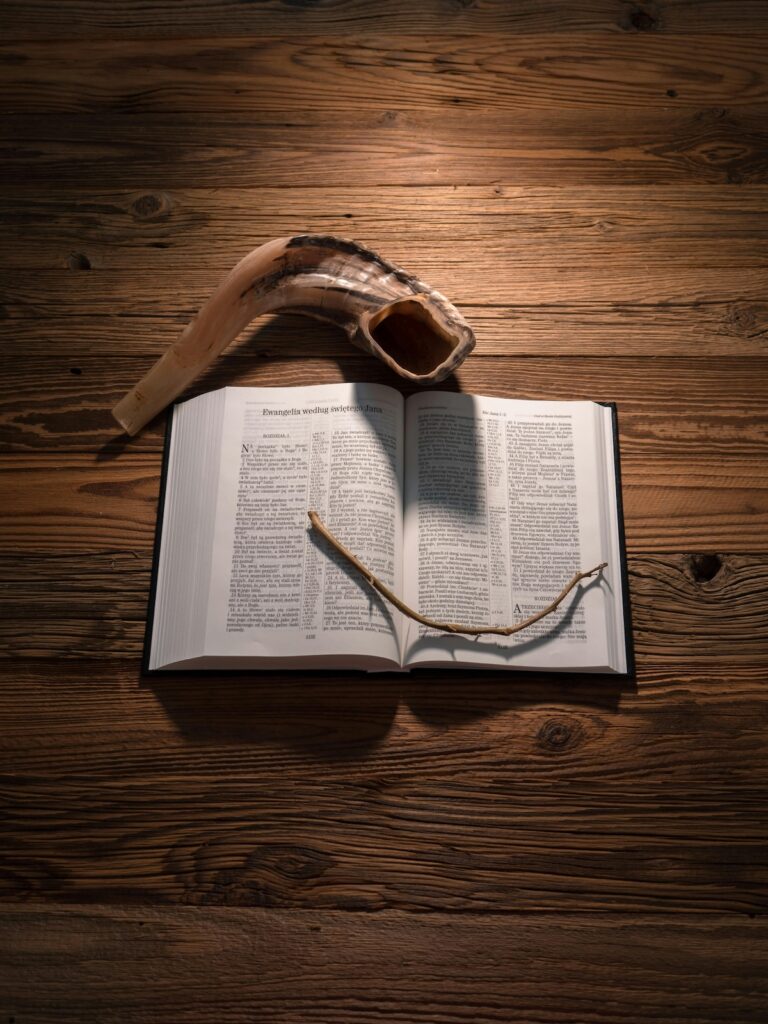
Rosh Hashanah is the Jewish New Year, a time of introspection and renewal, marked by celebrations and eating apples with honey (to symbolize a sweet New Year). It is followed by Yom Kippur, which is the Day of Atonement, a much more somber day of fasting, prayer and more rituals when Jewish believers are inscribed in the Book of Life for the coming year. Both holidays are also marked by the reading of the Torah and blowing the Shofar.
These are celebrated according to the Jewish calendar during the Fall in Israel and throughout the Diaspora, and it’s especially unique in Israel on Yom Kippur because the entire country refrains from driving and businesses are closed.
Samhain: Ireland and More Locations Worldwide
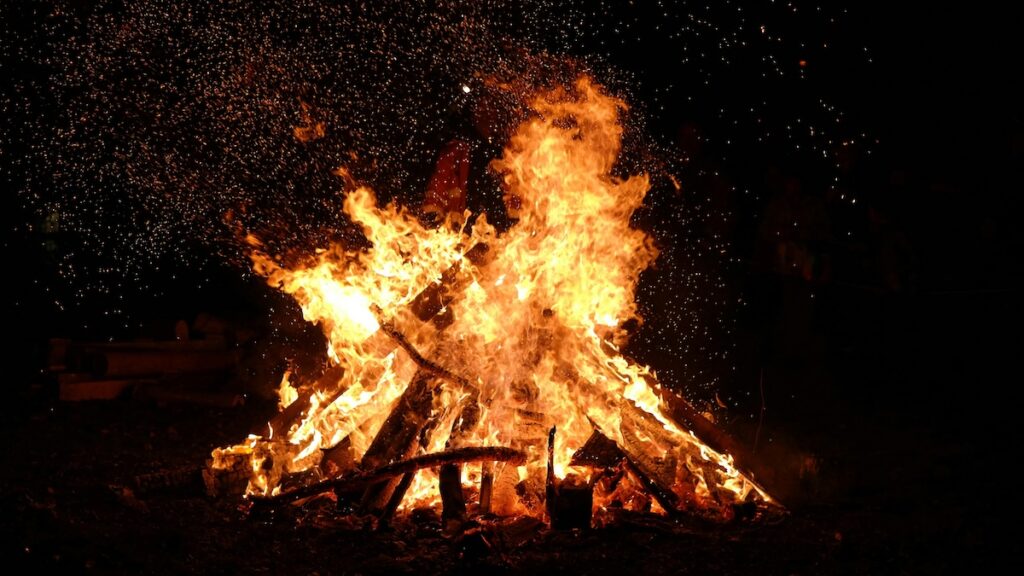
Celebrated at the end of October, Samhain is a traditional Celtic festival that marks the end of the harvest season and the beginning of winter, or the midway point between the autumnal equinox and the winter solstice, from October 31-November 1. It’s celebrated with fires and rituals.
It’s seen as a time when the veil between worlds is thinnest, and when things like ghosts can be seen; it’s the origin of what we know as Halloween and All Saints Day. Learn more about the best places to visit to celebrate Samhain.
Holi: India
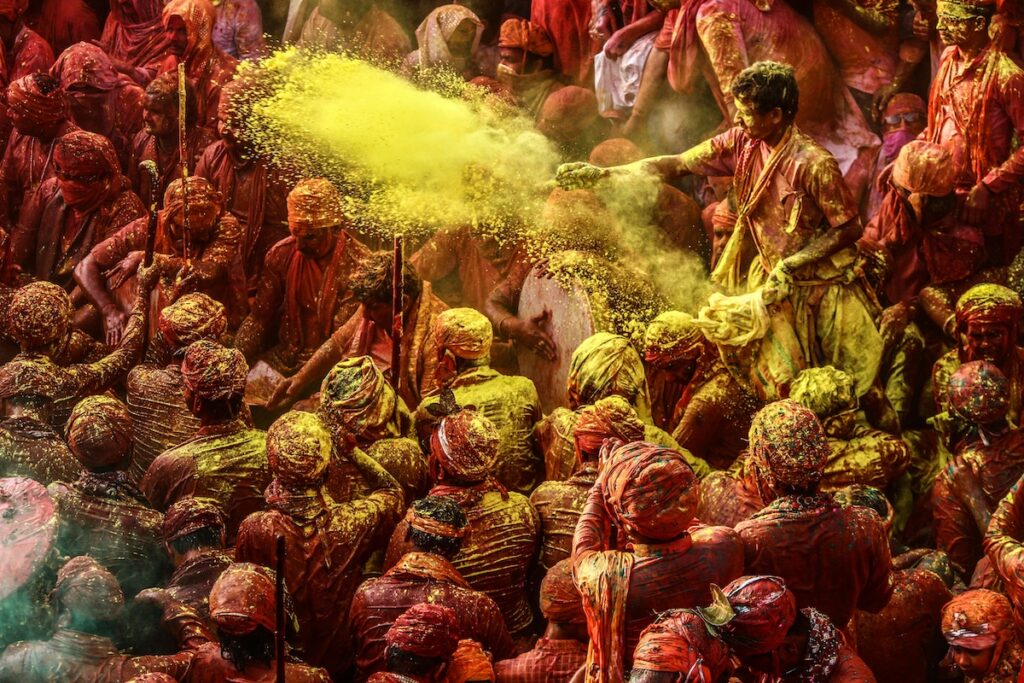
Holi, also known as the festival of colors or festival of love, is one of the most celebrated festivals in India and you can find celebrations throughout the country. People come together, forget their issues and just have fun throwing colored powders and water and each other in joyful street celebrations!
Holi celebrates the victory of good over evil, and there are many story versions in Indian tradition. It lasts for a day and a night, taking place on the full-moon day of the Hindu month of Phalguna.
The first evening is called Holika Dahan or Choti Holi, and the next day is called Holi, although the name is different in different locations throughout India (much like the stories)!
For many, attending festivals abroad becomes a form of differentiation—breaking free from old expectations to explore what spirituality looks like when it’s chosen, not inherited.
Pilgrimage to Santiago de Compostela: Spain

Pilgrimage festivals often mark a symbolic turning point—a call to leave what’s known, walk into discomfort, and return transformed, like so many timeless hero’s journeys.
The Pilgrimage to Santiago de Compostela, also known as the Camino de Santiago or Way of St. James, is a Christian pilgrimage to the Tomb of St. James. It’s a journey of self-reflection and spiritual discovery, culminating at the cathedral of St. James. The ancient pilgrimage is also a UNESCO World Heritage Site.
There are multiple routes that lead to the Cathedral of Santiago de Compostela in Galicia, Spain, with several paths including the Camino Francés (French Way), Camino Portugués (Portuguese Way), and Camino del Norte (Northern Way) and more; each route varies in starting point and length.
There are many rules for this pilgrimage: You must make it with an attitude of searching, with a spiritual/religious purpose. You also must travel the last 100 km on foot or horseback, or the last 200 km by bicycle. There are also stamps you must collect along the way to prove you’ve made the stops.
Whether it’s a traditional pilgrimage like the Camino or a festival that draws seekers from afar, the act of journeying itself becomes a spiritual experience.
Midnight Mass at St. Peter’s Basilica: Vatican City, Italy
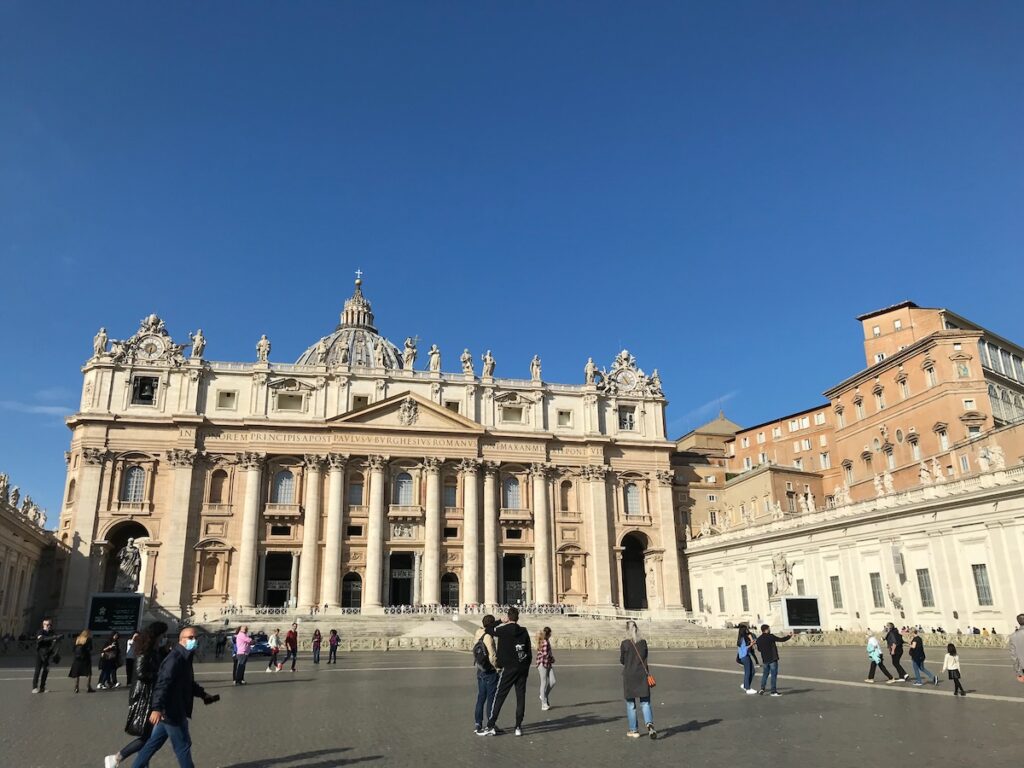
Attending Midnight Mass at the Vatican is a spiritual and awe-inspiring experience. Thousands gather in St. Peter’s Square to hear the Pope’s Christmas Eve sermon in one of the holiest places for Christians. You’ll need to secure a ticket in advance, which is free but guarantees you a place at the Mass.
There are many events for the Christmas season in Vatican city, including the unveiling of the tree and life-like Nativity in St. Peter’s Square, and old witch named La Befana and Concerto di Natale, a Christmas concert that brings in internationally acclaimed musicians and artists.
Obon: Japan
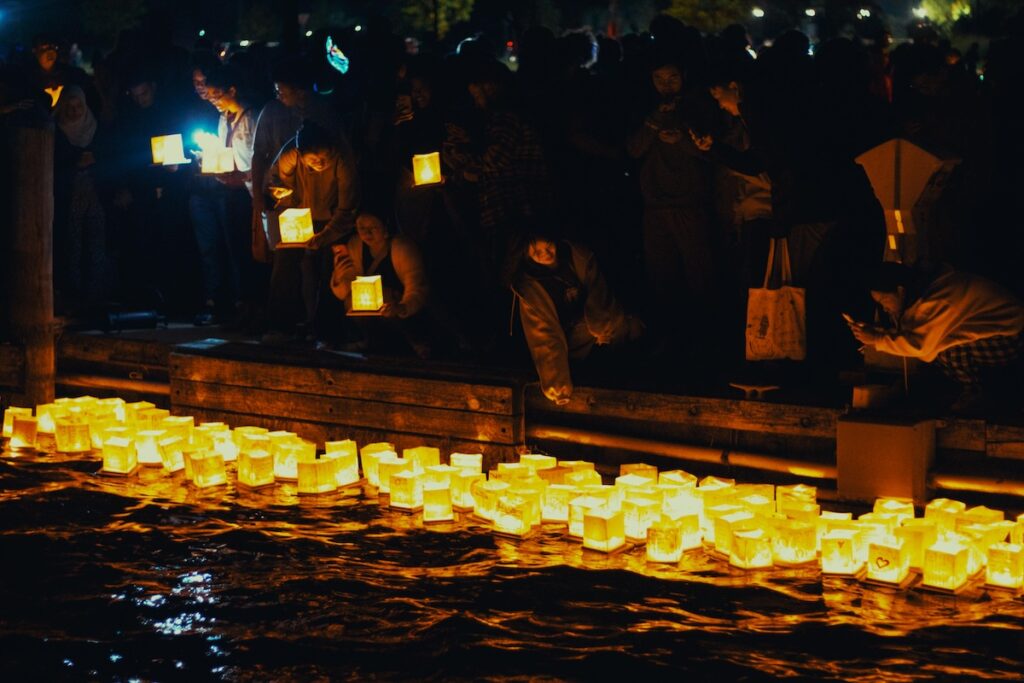
Obon is a Buddhist festival honoring ancestors, where families return to their hometowns for traditions that culminate in the beautiful Torii Nagashi (floating lantern ceremony), where lanterns are sent out on the water to guide ancestral spirits back to the afterlife. There are also obon dances (bon odori), grave visits, and food is offered at altars.
The festival takes place in mid-August and is a lunar calendar holiday.
🌿 Make this more than a trip — make it a turning point.
Grab the Deeper Travel Planner to map out a soulful solo getaway built around rest, reflection, and renewal.
Losar (Tibetan New Year): Tibet & Tibetan communities

Losar is a festival celebrates the Tibetan New Year with prayers, dances, and feasts, focusing on purification and the welcoming of positive energies. Celebrations last for one to two weeks, in one of the most festive celebrations of the entire year. People wear their nicest clothing and you can enjoy the best food and culture in most places, although it’s not as rich as it could be in China today.
It takes place on the first day of the first month of the Tibetan lunar calendar.
Las Posadas: Mexico & Latin America
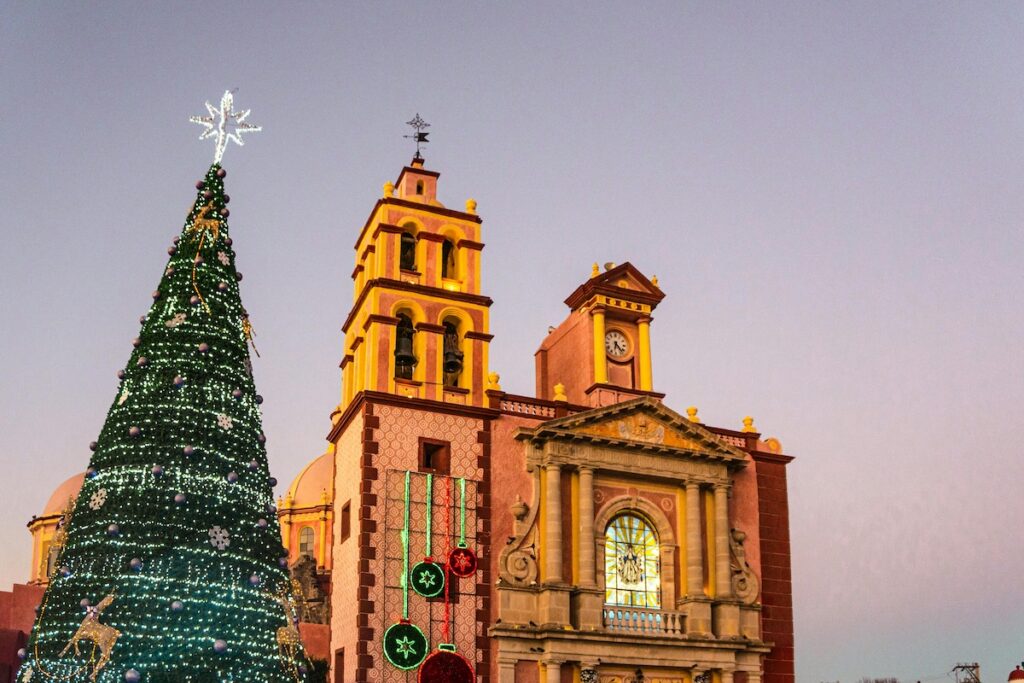
“Posada” means inn or lodging, and Las Posadas is a nine-day festival that reenacts Mary and Joseph’s journey seeking shelter before the birth of Jesus. It’s a 400-year old religious and community-driven celebration, ending with a Christmas Eve mass. The tradition highlights the importance of faith and hospitality.
Other Las Posadas traditions include piñatas, candy bags, a hot drink called Ponche Navideño, tamales and singing. Learn more about the best places to visit to celebrate Los Posadas.
Greek Orthodox Christmas: Greece
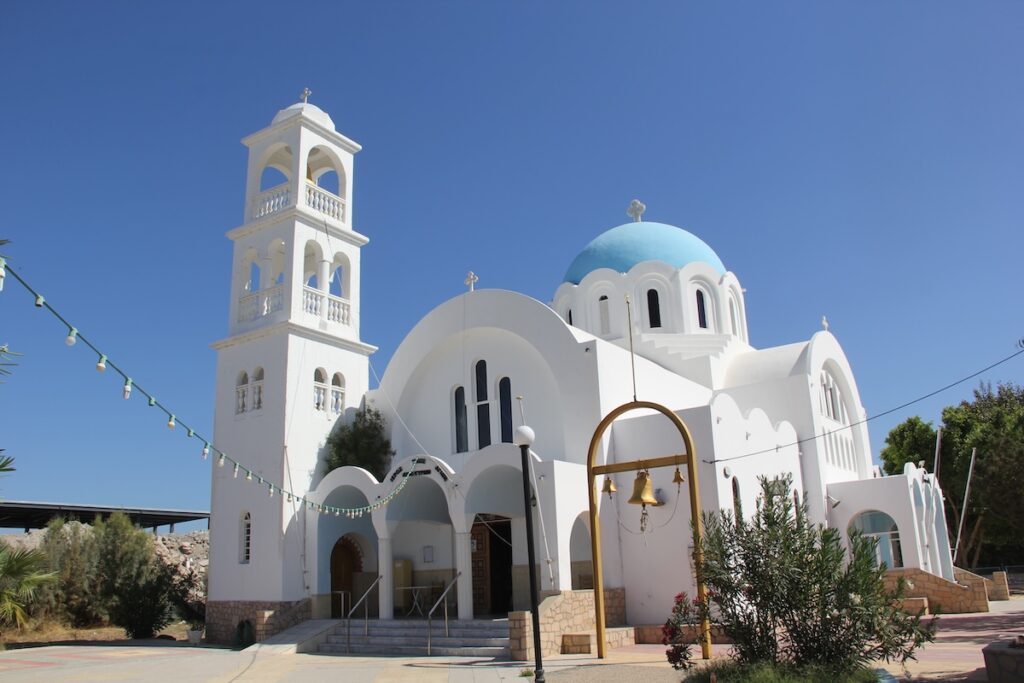
For an authentic and deeply spiritual Christmas experience, Greece offers a rich blend of traditions. Many monasteries across the country, such as those in Meteora or on the islands, welcome travelers to experience centuries-old liturgies, chants, and rituals.
While Mount Athos is restricted to male visitors, there are numerous other monasteries and churches where visitors of all genders and backgrounds can participate in the reverence and beauty of Orthodox Christmas celebrations.
In addition to religious services, there are more Greek Christmas traditions to experience like Kalanda (carol singing), the baking of Christopsomo (Christ Bread), and the cutting of the Vasilopita (New Year’s cake), where a hidden coin brings good luck for the year.
On Epiphany (January 6), coastal towns celebrate with a blessing of the waters, a lively event where swimmers dive into the sea to retrieve a holy cross, symbolizing Christ’s baptism.
Inti Raymi: Cusco, Peru
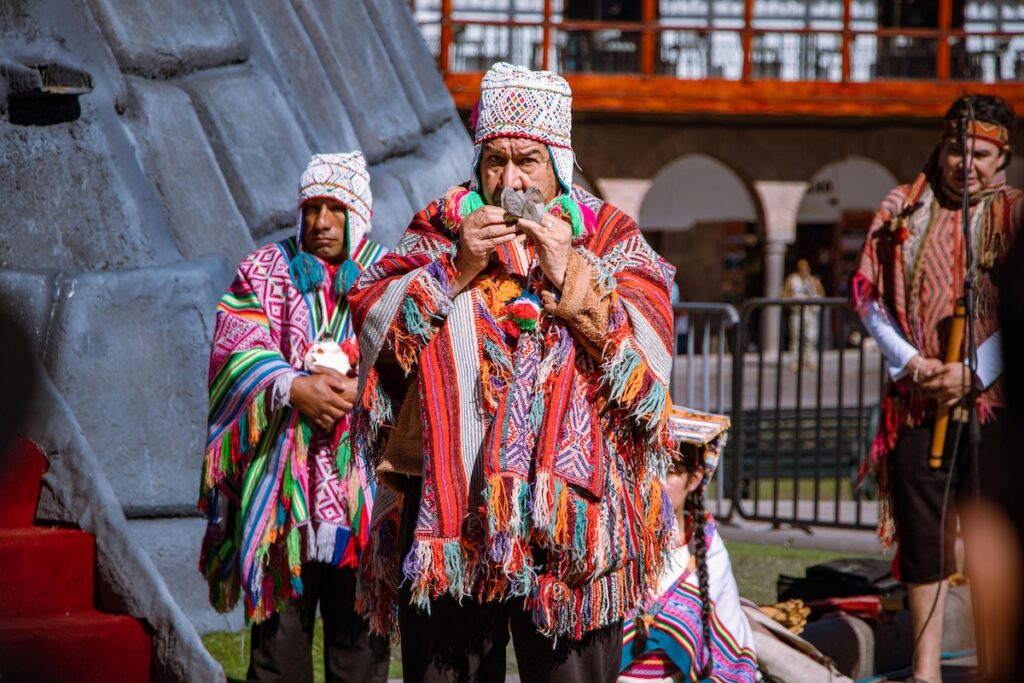
Held annually in June, Inti Raymi is an ancient Incan celebration of the Sun God, Inti, a harvest festival and the beginning of the Incan New Year, that is the most important Incan festival. Today, it remains one of the most significant Andean spiritual festivals and draws thousands of participants and spectators to gather on the streets of Cusco.
The festival features rich cultural rituals, offerings, dancers and reenactments, culminating in a grand procession at the historical site of Sacsayhuamán.
Tết Nguyên Đán (Vietnam)
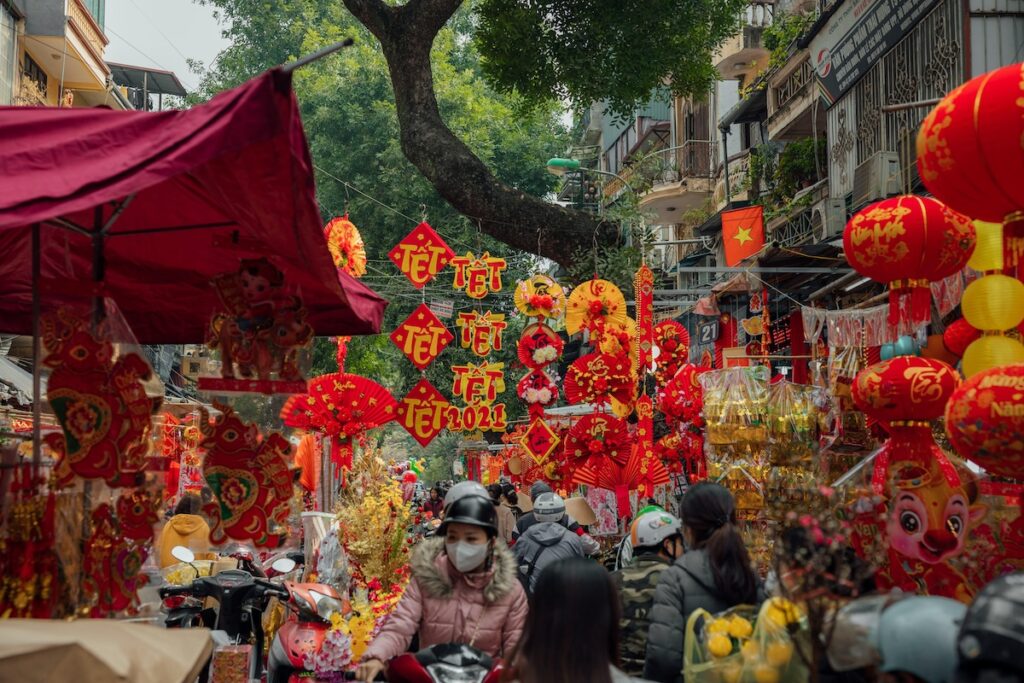
Tết Nguyên Đán is the Vietnamese Lunar New Year celebration that honors ancestors and spiritual renewal. Tết is filled with rituals to cleanse past misfortune, make offerings to ancestors, and seek blessings for the year ahead. Families come together in prayer, and temples host special ceremonies, creating a reflective and culturally rich experience.
While travel is busy for this holiday, because everyone goes to their hometowns, the first few days are a great time to experience the quiet because people aren’t driving and businesses are closed. The holiday takes place in late January or early February.
Ethiopian Orthodox Christmas: Lalibela, Ethiopia

Known as Ganna or Ledet, this unique celebration takes place on January 7 and includes a pilgrimage to Lalibela, where thousands gather for a night-long vigil, prayer, and chanting in 12th-century, red volcanic rock-hewn churches that are a World Heritage Site.
The ancient Christian traditions make this one of the most spiritual Christmas experiences in the world, though it’s crowded with pilgrims hurrying from one church to the next in small spaces. It takes place in early January.
Semana Santa (Holy Week): Spain and Latin America

Semana Santa is a week of processions commemorating the Passion of Christ that takes place the week before Easter. The solemnity and intensity of the rituals offer a deep spiritual atmosphere for reflection.
Seville, Spain, is famous for its elaborate processions that last up to 12 hours, with thousands of people carrying religious statues, candles, and crosses. The processions also have pasos, or floats with statues (some of which are over 300 years old) that serve as imagery of Scriptures for the purpose of education.
Those who have the honor of being in the processions are doing so as repentance; some of these are brotherhoods who literally carry these floats that weigh up to a ton.
The Festival of Timkat: Ethiopia
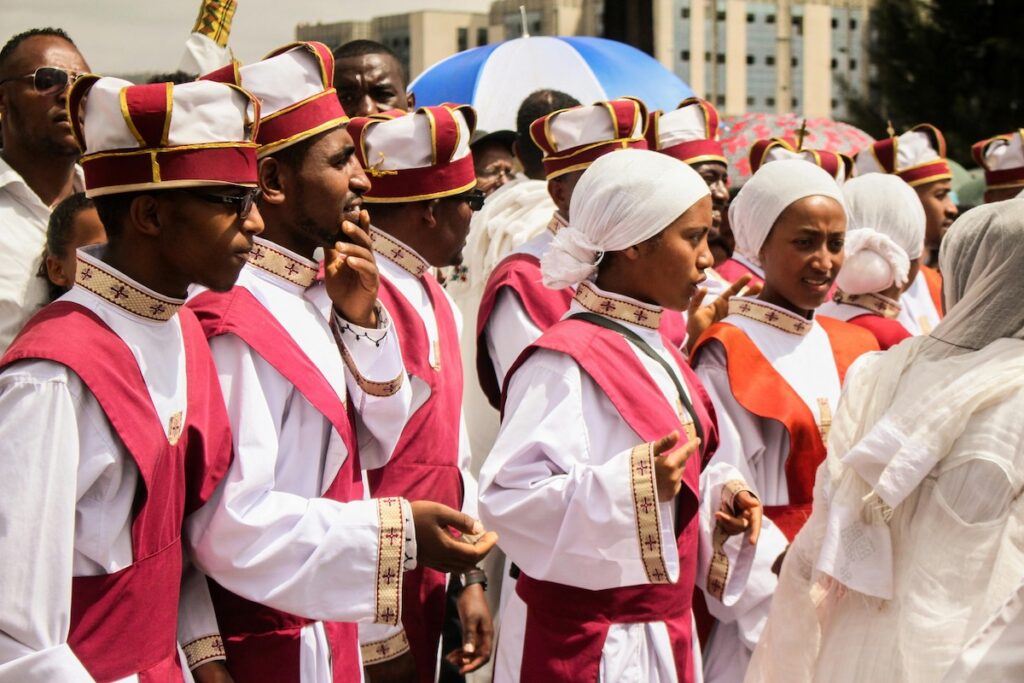
Timkat is the Ethiopian Orthodox celebration of Epiphany that commemorates the baptism of Jesus in the River Jordan. It’s celebrated with a night-long vigil, prayers, singing and the blessing of water.
Thousands of worshippers and pilgrims gather for processions and to immerse themselves in holy water and for the reenactment with models of the Ark of the Covenant (Tabots), making this one of the most spiritual festivals in Ethiopia.
The festival lasts for three days and is at its most impressive in Addis Ababa. Timkat celebrations take place on January 19 (the 20th on leap years).
Glastonbury Festival: England
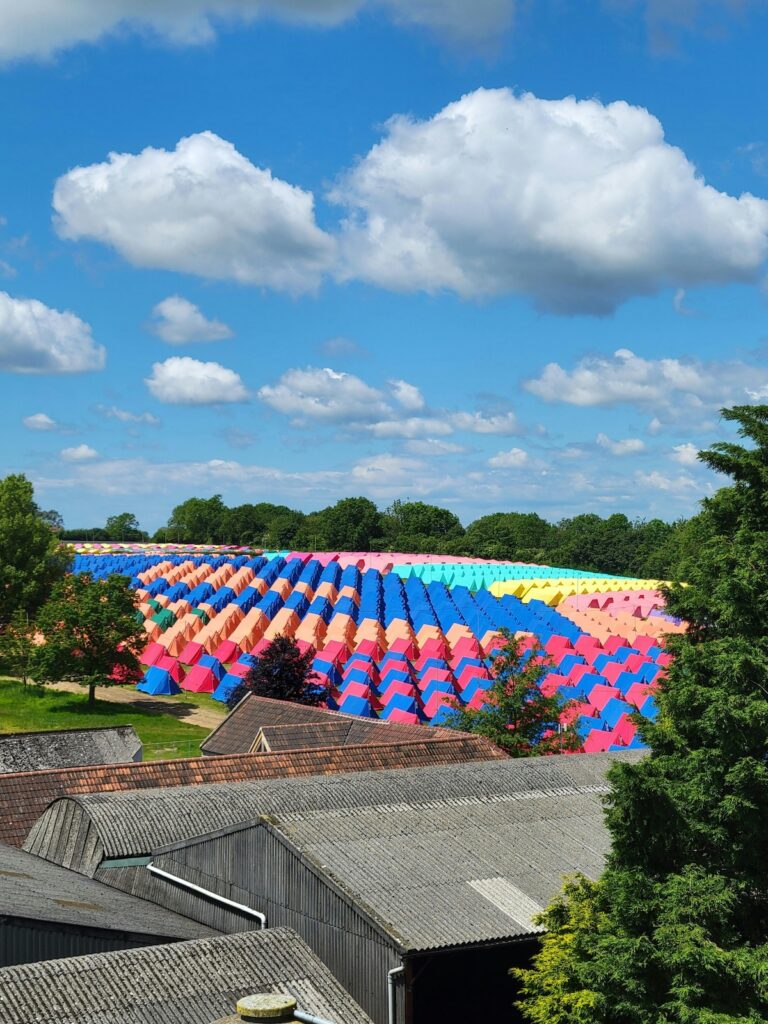
While Glastonbury is widely known today as a major music and arts festival, its spiritual roots run much deeper. The area has long been associated with mysticism, Arthurian legends, and ancient spiritual practices, making it a significant pilgrimage site for spiritual seekers.
The festival itself has always had a strong spiritual component, offering workshops on meditation, yoga, healing, and alternative spiritual practices for decades. Visitors often make time to visit nearby spiritual landmarks like Glastonbury Tor and the Chalice Well, which are believed to have healing energies and connections to ancient Celtic and Christian traditions.
Maha Shivaratri: India & Nepal
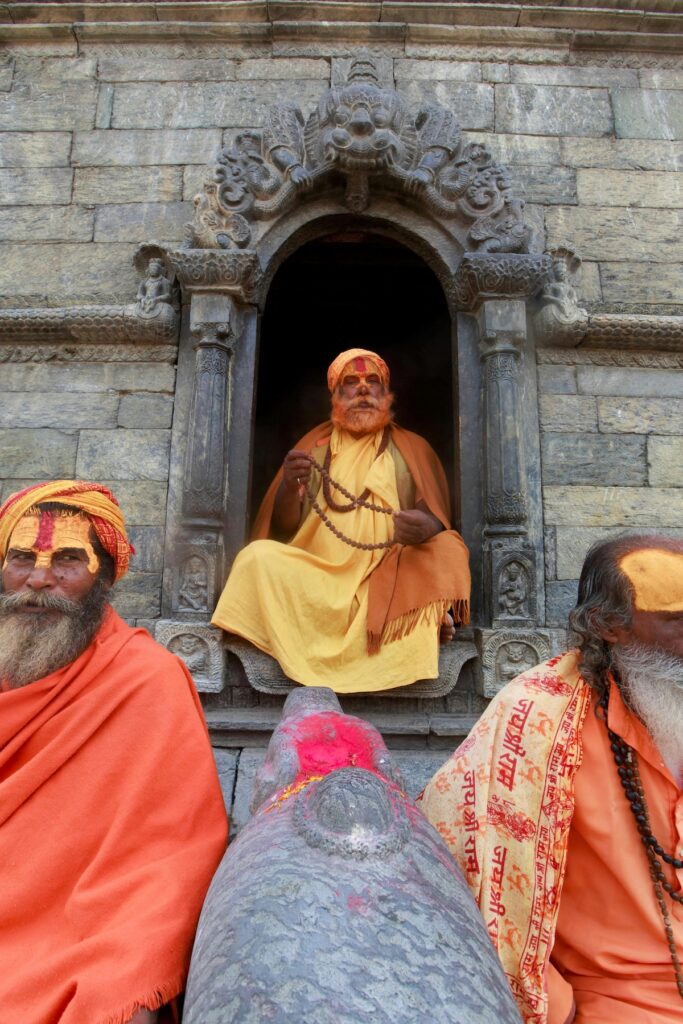
Maha Shivaratri is a Hindu festival, taking place in March, dedicated to Lord Shiva. It symbolizes the triumph of light over darkness. Devotees stay awake all night, chanting, fasting, and meditating, creating a powerful spiritual atmosphere.
Visiting temples such as Kashi Vishwanath in Varanasi or Pashupatinath in Nepal amplifies the experience.
Ramadan and Eid al-Fitr: Muslim countries

Ramadan is a deeply spiritual month-long Muslims holiday marked by fasting, prayer, and reflection. Visitors can observe and sometimes participate in the nightly celebrations that follow the breaking of the fast, known as iftar. Cities like Istanbul, Turkey and Marrakech, Morocco come alive after sunset, with communal meals, street markets, and a festive atmosphere.
In places like Dubai, UAE, visitors can enjoy lavish iftar buffets at restaurants and hotels while witnessing beautiful Ramadan traditions such as mosque illuminations and night prayers.
Kumbh Mela: India
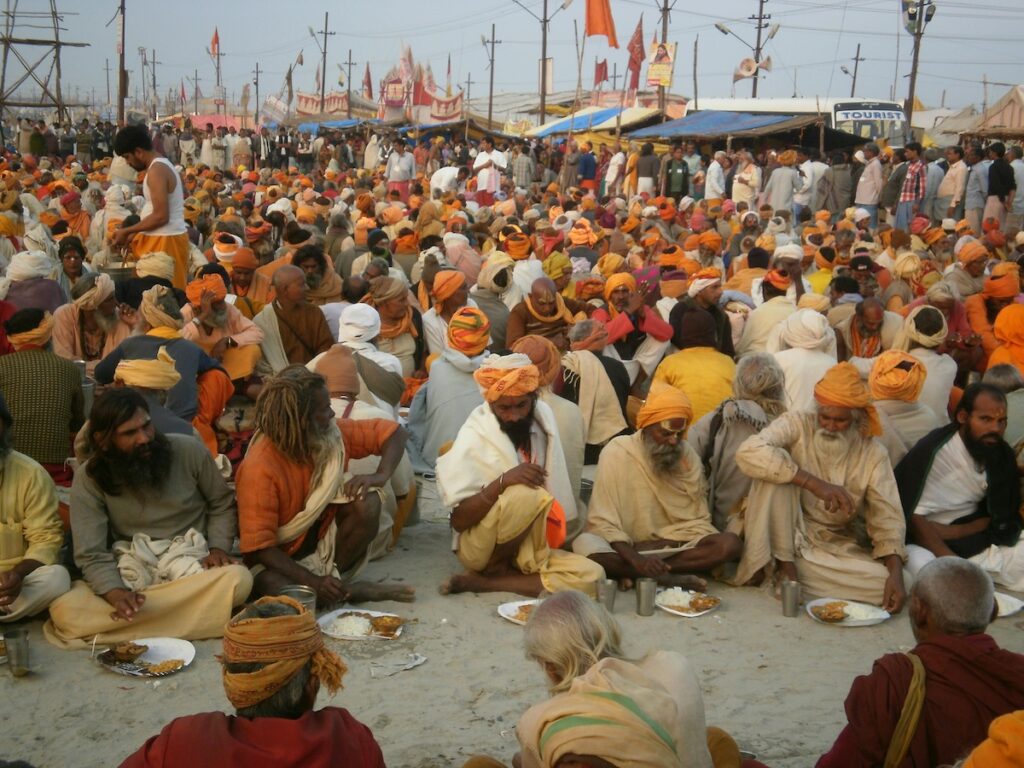
Kumbh Mela is one of the largest religious gatherings in the world, held in rotation at four sacred river sites in India. Millions of pilgrims gather to bathe in the holy waters, an act believed to purify the soul and reset one’s spiritual path.
The festival follows a complex astrological cycle, with major Kumbh Melas occurring roughly every 12 years at each location and smaller or intermediate gatherings in between. The most recent Maha Kumbh took place in 2025, and the next full Kumbh Mela is scheduled for 2027.
Día de los Reyes (Three Kings Day): Various Locations
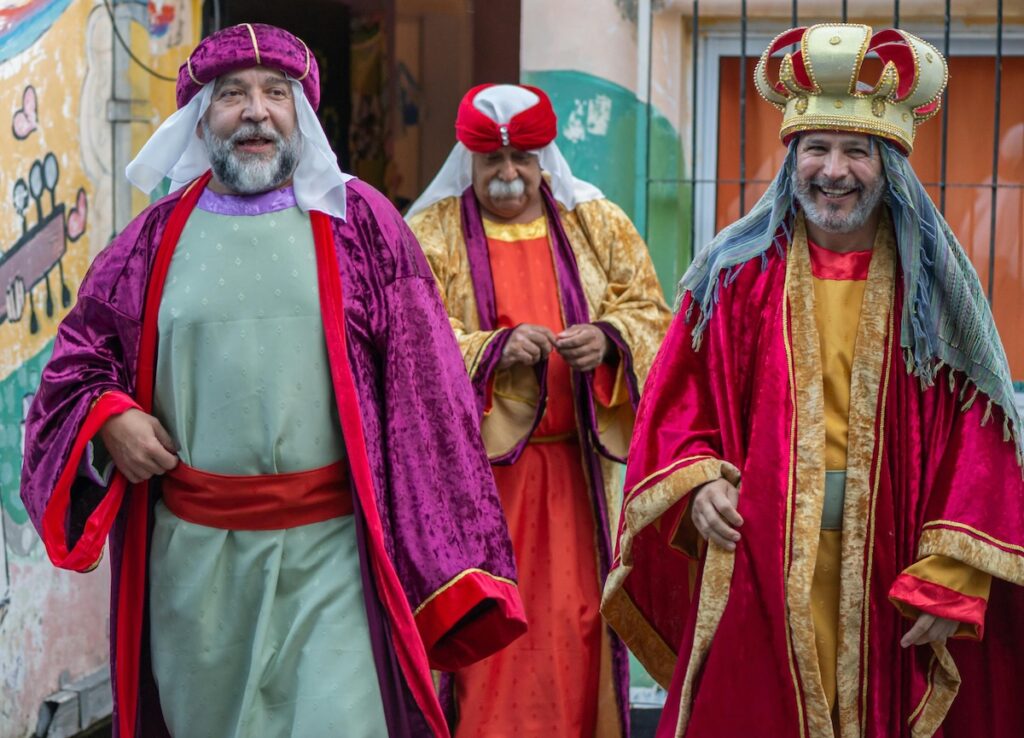
Three Kings Day (Día de los Reyes), celebrated on January 6, is a significant Christian holiday marking the visit of the Magi to the baby Jesus. It is widely celebrated in Spain, Latin America, and parts of the U.S. such as Puerto Rico and Texas.
In cities like Madrid and Barcelona, elaborate, joyful parades called Cabalgatas are held, with colorful floats, performers, and the “Three Kings” distributing sweets to children. In Mexico, Three Kings Day is also celebrated with family gatherings, gift-giving, and sharing the Rosca de Reyes, a sweet bread baked with a hidden figure of baby Jesus inside.
Sedona Vortex Experience: Sedona, Arizona, USA
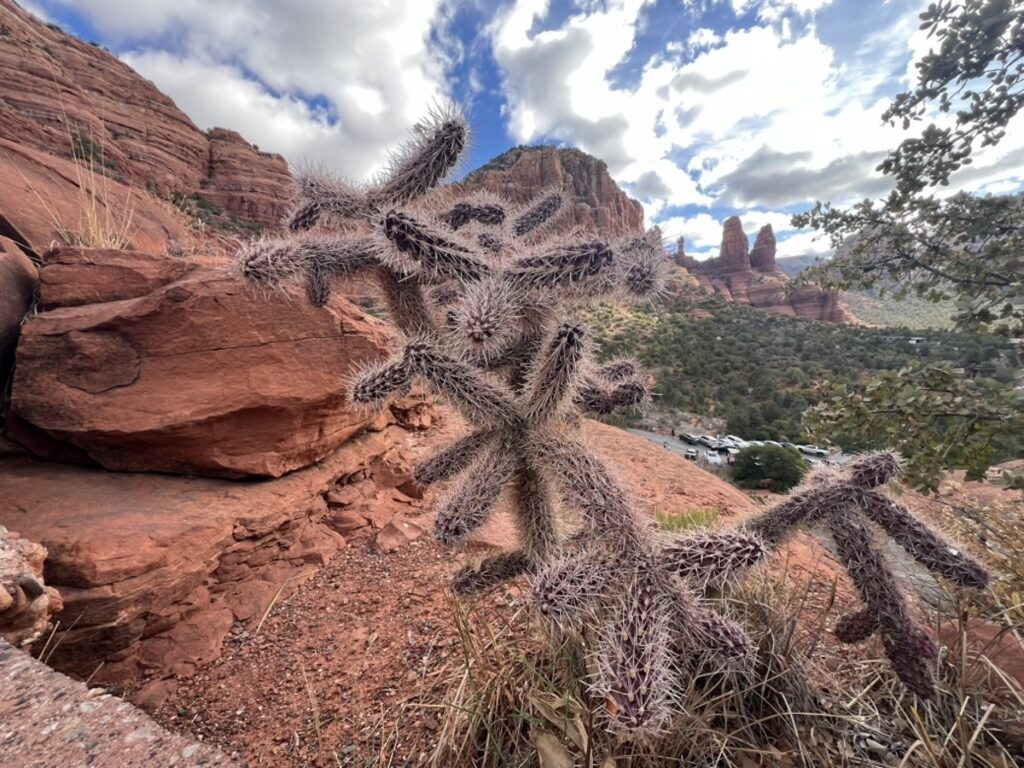
Many people visit Sedona during solstices or equinoxes, versus a specific festival, but this is a great place for a spiritual getaway because it’s been considered sacred since indigenous tribal times. While the term “vortex” and specifically-labeled places are a modern concept (by a tourist, too), the energy in Sedona is more clear and spiritual – I can attest to this, as my visit was an experience that left me with personal clarity and insight.
The awe-inspiring red rock formations are said to enhance meditation, healing and spiritual growth, making it a top spiritual destination; I recommend exploring on your own as well as doing tours, especially to see Native American sights; I went on the Pink Jeep Ancient Ruin Tour, and it was great! There are also museums, including the archaeology museum and heritage museum.
Let the Journey Transform You
Spiritual travel doesn’t always look like a personal retreat—sometimes it’s slow, public, and rooted in centuries of tradition, yet still deeply personal.
Whether you’re walking in a candlelit procession or standing in a crowd as ancient chants rise around you, these moments have a way of waking something up. They remind us we’re not alone in our search for meaning—and that sacredness doesn’t always need silence; sometimes, it lives in celebration.
If you’re curious about the deeper meaning behind these kinds of experiences—and how travel itself can become a path to spiritual growth—head over to my full post on spiritual travel. It dives into the ways movement, ritual, and even discomfort can shape us.
The journey doesn’t end here. Dive deeper into the themes that shape your story:
🧭 Ready to go deeper?
The Power of Four is a $7 e-book that weaves together ancient wisdom, symbolism, and modern healing through the lens of the elements.
It’s a soulful, self-paced read with journaling prompts, symbolic stories, and travel-inspired insights to walk your path with more clarity.

💬 Every journey’s better with fellow travelers.
Join the Facebook group » to connect with others walking their own path—ask questions, share insights, or just say hi.
📌 Want to remember this guide for later? Click here to pin it on Pinterest.