The Sacred Journey: How Spiritual Travel Heals, Transforms, and Connects Us to Ancient Wisdom
Ancient truths. Modern journeys. A spiritual lens on the most timeless human act: travel.
Travel has always been a spiritual act.
Sometimes it’s chosen, other times forced—but movement has long been seen as a metaphor for growth. Across time and culture, the journey itself becomes the teacher.
From ancient flood stories and the Exodus, to Odysseus’ voyage, Siddhartha’s path to enlightenment, the Canterbury Tales, and The Mahabharata—nearly every tradition holds tales of spiritual travel. These aren’t just stories about distance. They’re about transformation.
For me, solo travel—and even travel with others—has cracked me open in ways I didn’t expect. It’s helped me grow, shift, and return to myself. That’s why I keep going. And why I keep writing about it.
In this post, we’ll look at spiritual travel through both ancient lenses and modern experience. You’ll find inspiration, reflection prompts, and ideas for your next sacred journey.
🔹 This post may contain affiliate links, including Amazon. As an Amazon Associate, I earn from qualifying purchases. I only share what I genuinely recommend. Thank you for your support!
Spiritual Travel in Ancient Beliefs
Long before guidebooks or flight itineraries, people understood travel as something sacred.
Ancient stories—passed down through oral traditions, spiritual texts, and mythology—often use physical journeys to reflect deeper internal transformations. These weren’t just tales about moving from one place to another. They were symbolic blueprints for personal and spiritual growth.
While we may not take every detail literally, the truths beneath these narratives are enduring: transformation requires movement. Growth often begins with a departure. Fulfillment comes after challenge.
In many of these stories, the journey itself is a rite of passage. The hero or seeker leaves home—sometimes by choice, sometimes by force—and must face obstacles, trials, and revelations along the way. Whether reaching a Promised Land or achieving enlightenment, the destination is never just physical.
Here are some of the most common spiritual themes in ancient travel stories—and what they can still teach us today:
Quests
Quests aren’t just about finding answers—they’re about becoming someone who’s ready to receive them. Across cultures, the quest is a rite of transformation: a path that demands effort, endurance, and inner change.
You leave with questions, but what you gain isn’t just knowledge—it’s perspective, humility, and a renewed sense of self.
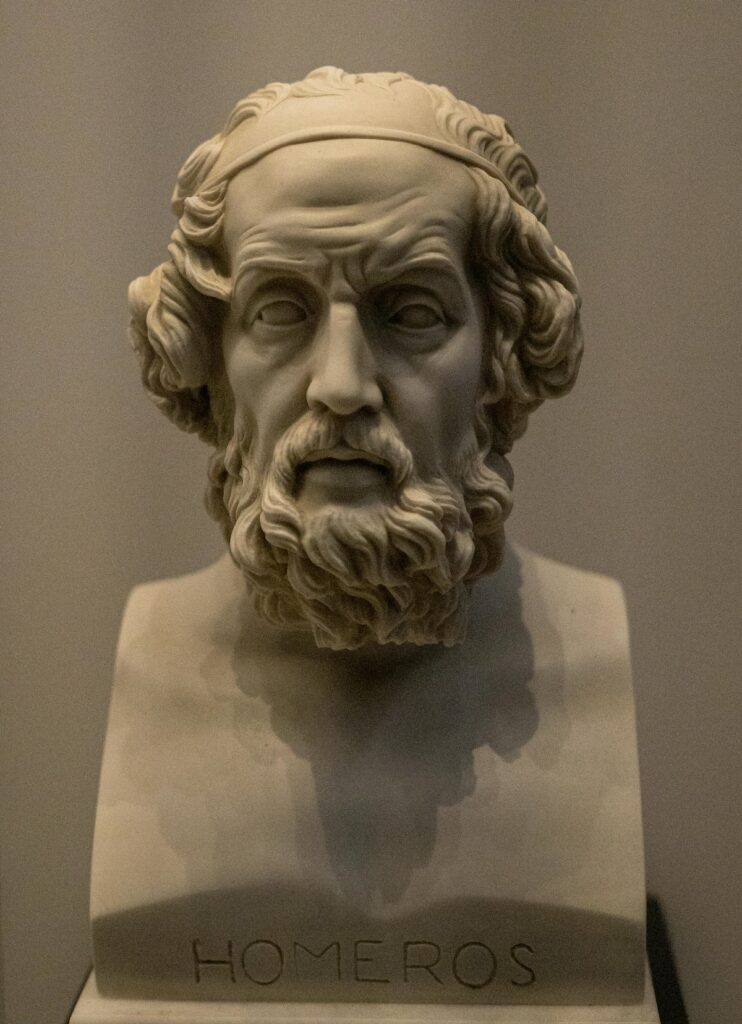
In Homer’s Odyssey, Odysseus doesn’t just battle monsters and temptations—he faces his own pride, grief, and longing. The journey home becomes a metaphor for spiritual return, revealing that the hardest part of coming back isn’t the distance—it’s the self-work required to be ready when you arrive.
It’s not just about getting home—it’s about becoming the version of yourself who belongs there.
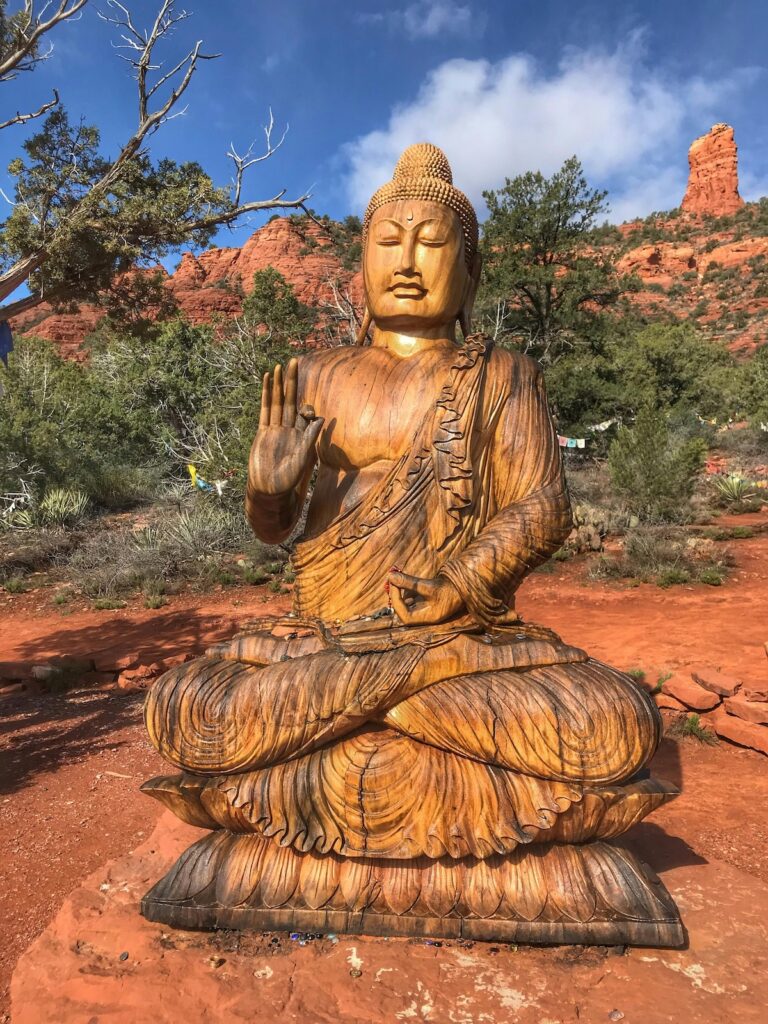
The Buddha’s journey was a quest of a different kind. Siddhartha left behind wealth and comfort to wander through forests, meditate, and embrace simplicity. His spiritual seeking brought him face-to-face with suffering, desire, and ultimately, enlightenment. His path wasn’t linear, but it was deeply intentional—a process of shedding illusions to see truth more clearly.
In many Native American traditions, vision quests reflect this same depth of purpose. Through solitude in nature, fasting, and prayer, individuals seek guidance from the spirit world. These quests mark transitions—into adulthood, into spiritual roles, or into new ways of being. They’re both personal and sacred, rooted in connection to land, ancestry, and something beyond the self.
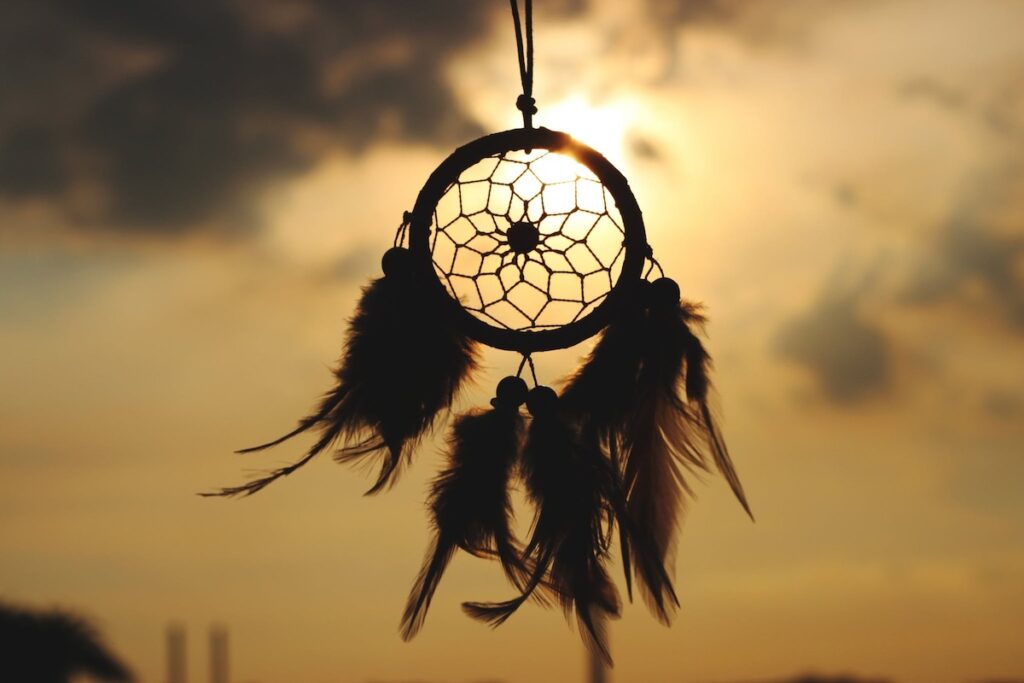
Every quest—ancient or modern—asks something of us.
Whether it’s crossing seas or sitting with silence, we’re called to let go of what no longer fits and move toward who we’re becoming.
🌀🌊🦋☀️Curious what type of spiritual traveler you are?
Take the Travel Archetype Quiz to discover which symbol reflects your journey.
Each archetype represents a different phase of transformation—like grounding, flow, release, or rebirth—and helps guide your next steps.
When you complete the quiz, you’ll get a free guide tailored to your symbol, including journal prompts, travel ideas, and more.
Travel Based on a Divine Command or Mission
Not all journeys start with a map—some begin with a pull.
In many ancient stories, the first step isn’t a choice, but a call.
Abraham is told to leave everything he knows, to walk away from certainty and into the wilderness, holding only a promise. Lord Murugan is sent on a divine mission to defeat chaos and restore cosmic order—an act of obedience and courage that protects the world. Guru Nanak sets out not just to travel, but to teach—to carry a message of spiritual unity across borders and beliefs.
These stories remind us that spiritual journeys often begin before we feel ready. The path is unclear, the stakes are high, and the impulse to stay where it’s safe is strong. Sound familiar?
Today, you might not be battling demons or founding a nation, but deciding to take a solo trip—or any leap into the unknown—can feel just as intimidating. When you travel with intention, even uncertainty becomes sacred. You don’t have to know exactly where you’re going. You just have to be willing to walk forward.
Framed Travel Narratives: Stories Within Journeys Across Cultures
Some of the richest travel stories aren’t just about where people go—but what they tell along the way. In cultures across the world, framed narratives combine movement and meaning by placing stories within a journey.
These tales—shared on roads, in exile, or in imagined lands—are layered with lessons about the human experience.
Whether passed down orally or written in epic form, they show that travel and storytelling are twin paths of reflection, transformation, and survival.
In The Canterbury Tales, a band of pilgrims journeying to a sacred shrine in medieval England pass the time by telling stories—each tale revealing something about the teller’s values, desires, or worldview.
In One Thousand and One Nights, Shahrazad survives night by night through a tapestry of tales, many of which feature voyages, chance encounters, and mystical lands. These stories aren’t just entertaining—they’re acts of resilience, shaped by urgency and imagination.
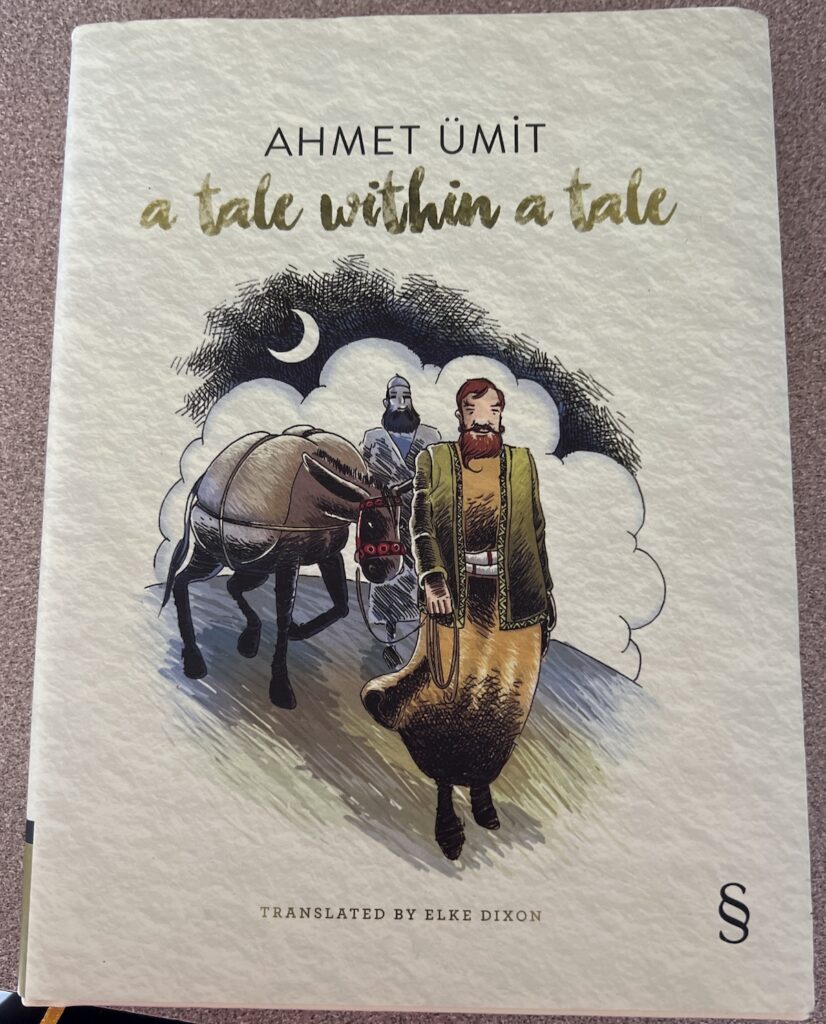
In A Tale Within a Tale, Turkish author Ahmet Ümit blends mystery, history, and Sufi philosophy into a layered journey where past and present intertwine. As the main character uncovers ancient secrets, the novel itself becomes a meditation on storytelling, truth, and spiritual searching—echoing the structure and soul of traditional framed travel narratives.
We see similar patterns in the Popol Vuh, the sacred book of the K’iche’ Maya. Its mythic stories of creation and heroic journeys through the underworld are framed as ancestral wisdom, passed down to preserve cultural memory in the face of colonization.
In The Decameron, ten friends flee plague-ridden Florence and tell stories to pass the time—stories that reflect both the absurdity and dignity of life, offering comfort through shared humor and reflection.
Whether sacred or secular, these framed narratives show us that storytelling is how we carry our humanity—across distance, through danger, and into the hearts of others.
Exile, Escape and the Search for the Divine
Not all journeys begin with choice. Some are sparked by danger, displacement, or exile.
And yet, throughout history, these moments of forced movement often become spiritual turning points.
From prophets to poets, many who fled hardship found awakening in the wilderness—encountering the divine in unexpected places.
In the Hebrew Bible, stories of exile and escape often lead to deeper spiritual callings. The Israelites’ forced exile to Babylon, though devastating, became a time of spiritual reckoning and renewal. Elijah, fleeing Queen Jezebel, found divine clarity not in dramatic displays, but in a whisper on the wind.
Moses, exiled to Midian after killing an Egyptian, encountered the divine in the solitude of shepherd life—and received a mission that would change history. Even Mary and Joseph’s flight to Egypt, taken in fear for their child’s life, echoes this pattern: danger giving way to protection, movement giving way to meaning.
The poet Rumi, displaced by Mongol invasions, found in exile not just grief, but the stirring of mystic insight. His poetry became a map of the soul’s longing for union with the divine—shaped by loss, shaped by movement.
And then there are the stories like my own family’s—fleeing Odessa during the pogroms in Eastern Europe. It wasn’t a quest, a pilgrimage, or a dream. It was survival. But even these migrations, born in fear and urgency, carry layers of identity, faith, and legacy that ripple through generations.
These aren’t just histories—they’re sacred inheritances.
These stories remind us that exile isn’t just about what’s left behind—it’s about what’s found along the way.
🌿 Make this more than a trip — make it a turning point.
Grab the Deeper Travel Planner to map out a soulful solo getaway built around rest, reflection, and renewal.
Travel Out of Necessity, Toward Something Greater
Not all journeys begin with freedom—they begin with survival, duty, or escape. Some travelers are pushed by forces beyond their control: governments, disasters, family obligations, or the ache of something breaking open.
And yet, even these unchosen paths can become sacred.
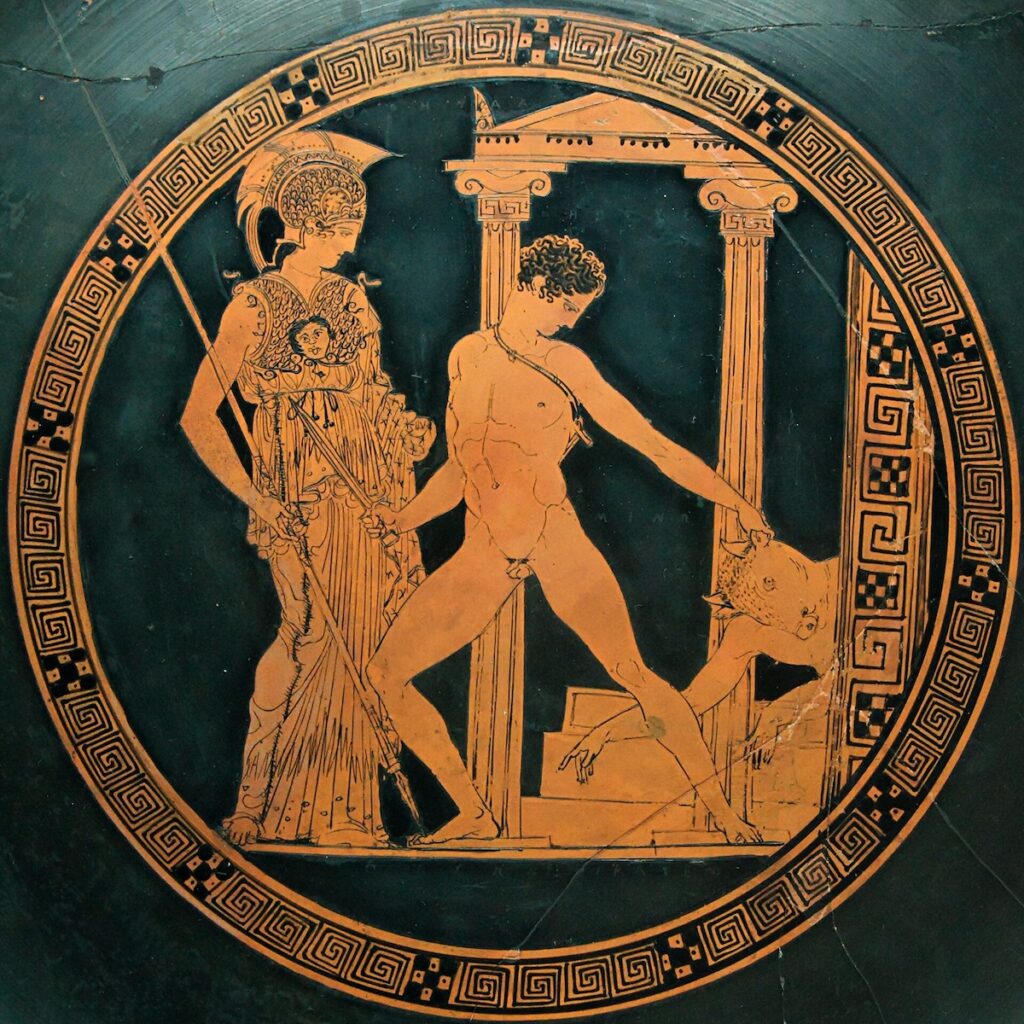
Theseus stepped forward willingly—but his decision was shaped by the burden of injustice. With Athens locked in a brutal cycle of tribute, his journey into the labyrinth was a personal act of courage and a collective cry for change.
The Exodus wasn’t a spiritual retreat—it was an act of survival. The Israelites fled Egypt under the weight of oppression, not knowing where they were going or how long it would take. And yet, that forced migration became the foundation of a people’s identity, a covenant forged in wilderness. It’s a reminder that sacred stories often begin in places of crisis.
When the road feels forced, it’s easy to think it has no meaning.
But transformation doesn’t always ask for permission. Sometimes, it shows up in the middle of disruption, reminding us that purpose isn’t only found in chosen paths—but in the courage to keep moving forward anyway.
Travel as an Act of Worship or Meditation
Some travel isn’t about where you go—it’s about how you move. Across cultures and centuries, people have used physical movement as a form of spiritual expression.
Walking becomes prayer.
Stillness comes through motion.
Intention transforms a simple journey into a sacred act.
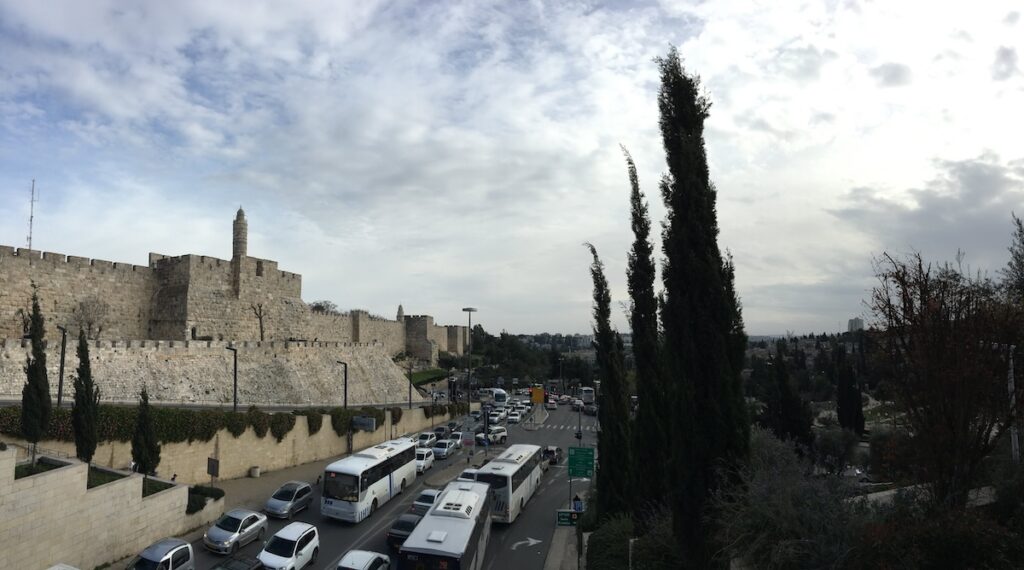
In ancient Judaism, pilgrims ascended to Jerusalem for the festivals of Passover, Shavuot, and Sukkot. These were more than religious obligations—they were embodied rituals, where the act of walking toward the holy city, often over many days, deepened the connection to both land and spirit.
Even today, Jerusalem remains the spiritual center, with prayers directed toward it no matter where one stands in the world.
In the Christian Nativity story, the Magi—possibly Zoroastrian priest-astronomers—traveled a great distance guided by a celestial sign. Their journey was slow, deliberate, and filled with meaning: a moving meditation toward revelation.
The ancient Greeks traveled to Delphi to seek divine guidance from the Oracle of Apollo, believing the answers they sought required not just the right questions, but the commitment of the journey itself.

And then there’s the labyrinth—a pattern found across cultures, from ancient Crete to Gothic cathedrals. Unlike a maze, it’s not meant to confuse. There’s one path in, and one path out. Walking it is symbolic of the inner journey: releasing, receiving, and returning. It mirrors the rhythm of spiritual growth—circling closer and closer toward clarity, then re-emerging changed.
These forms of spiritual travel aren’t about escape. They’re about presence. They’re about slowing down enough to let the movement become the message, and allowing the path itself to reshape you.
Traditional Travel for Rest, Healing and Socialization
In many ancient cultures, travel wasn’t just for conquest or pilgrimage—it was woven into the rhythms of wellness, reflection, and community.
People journeyed to soak in mineral-rich springs, study with sages, reconnect with nature, or heal body and spirit.
These weren’t indulgent escapes. They were necessary pauses. Sacred spaces for restoration. Time away that brought people back to themselves.
Below are a few ancient practices where rest, reflection, and sacred spaces were central to the spiritual journey—offering a glimpse at how travel has long been a path to reconnection and renewal.
🌊 Roman Baths and Thermal Spas (Ancient Rome)
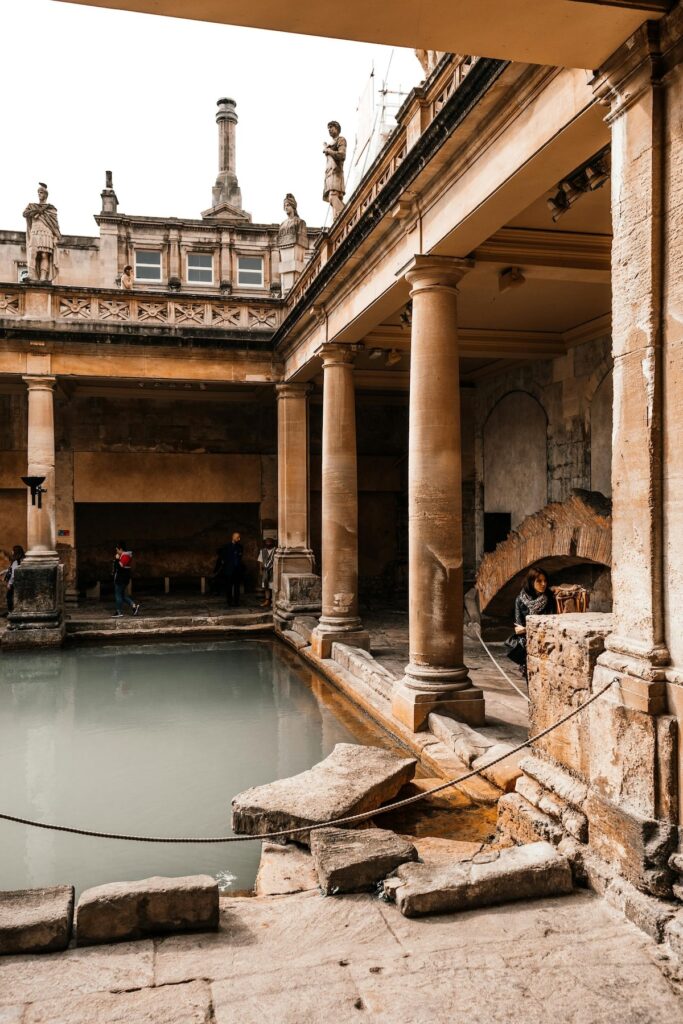
For the Romans, travel and bathing were deeply linked. Public baths were a cornerstone of daily life—places for cleansing, relaxing, and reconnecting with others across social classes. Some elite bathhouses, like those at Baiae near Naples, became destinations in themselves, drawing visitors from across the empire.
Whether modest or grand, these spaces offered ritual, routine, and a reminder that rest is part of being human.
🌀🦋Ashrams in Ancient India
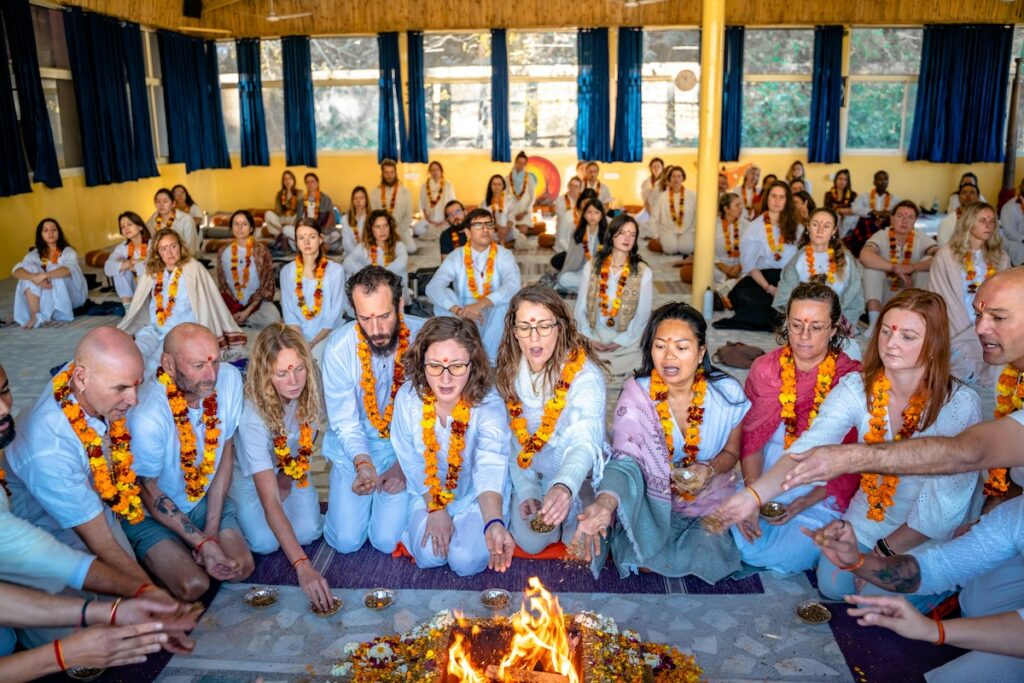
In ancient India, seekers and sages would journey to ashrams—spiritual sanctuaries tucked into forests or mountains. These spaces offered quiet, learning, and a break from the demands of everyday life. People came not just for meditation or instruction, but for transformation.
Ashram travel was a return to center—a place to reorient toward purpose, peace, and deeper truth.
🌊 Onsen in Japan and Celtic Sacred Springs
Japan’s natural hot springs, or onsen, have long been used for physical healing and spiritual reflection. Many are located in scenic, mountainous areas that encourage slowing down and tuning in.
Similarly, in ancient Celtic traditions, sacred wells and springs were believed to have curative powers, often associated with local deities or saints.
Pilgrimages to these sites were both practical and spiritual—rituals of purification and connection with the earth.
🔥 Sauna as Ritual & Renewal
Nordic sauna traditions also reflect this blend of wellness and ritual—using heat, steam, and cycles of cold water to cleanse the body and restore the spirit. These weren’t just for relaxation; they were communal, healing, and sacred. In Finland and other parts of northern Europe, saunas have long served as spaces for reflection, childbirth, healing, and even spiritual practice.
Modern travelers seeking renewal can still experience this ritual today—whether it’s in a floating sauna on a fjord in Norway, a design-forward space in Helsinki, or even your local gym. Saunas invite us into the liminal space between fire and water, heat and cold, inner and outer transformation.
Travel Today for Spiritual & Personal Renewal
In a world where shared rituals have faded, many of us turn to travel to create our own. Whether through pilgrimage, retreat, or cultural immersion, we’re carving paths that feel sacred—even if they’re entirely new. Like mixed pottery, our spiritual journeys today are shaped by many traditions, many stories, and a personal search for meaning.
It’s no longer just about obligation or tradition. It’s about intention.
Whether you’re walking a centuries-old pilgrimage route, immersing yourself in another culture, or retreating into nature for rest and reflection, the journey itself becomes a spiritual teacher.
It’s not just about where you go—it’s about how you move through the world, and what you’re open to discovering along the way.
Ancient & Modern-Day Pilgrimages
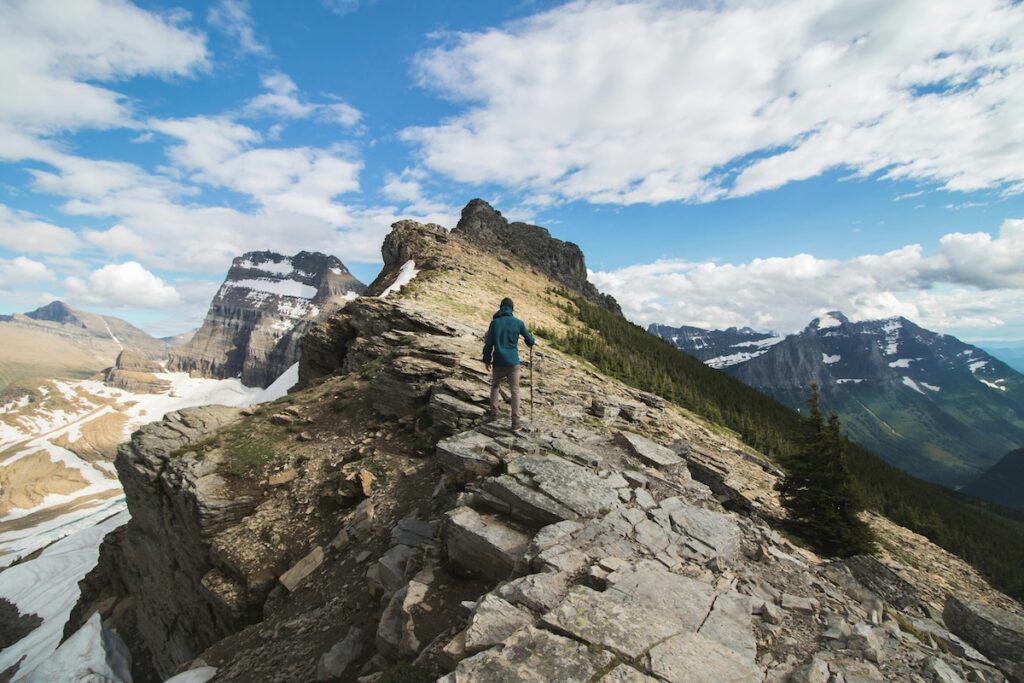
You don’t need to follow a set doctrine to take a sacred journey. Pilgrimages today come in many forms, from walking the Camino de Santiago in Spain to tracing the Via Dolorosa in Jerusalem. Whether rooted in a specific faith or approached as a deeply personal path, these journeys invite pause, presence, and purpose.
What matters most isn’t the destination—it’s the way these treks strip life down to the essentials, helping you reflect on your values, your story, and your connection to something greater.
Cultural Immersion: Expanding Perspectives Through Local Connections
Some of the most transformative spiritual travel happens when you step outside your comfort zone and immerse yourself in unfamiliar ways of life. Cultural immersion—done with humility and curiosity—can challenge assumptions, spark inner shifts, and open your heart to the world’s diversity.
Whether it’s volunteering in a luxury setting or seeking out more affordable volunteer opportunities, connecting with local communities offers insight you simply can’t find in a guidebook.
You can also time your travels with spiritual festivals around the world, like Samhain in Ireland or Las Posadas in Mexico, to experience firsthand how sacred traditions are lived today. These aren’t tourist spectacles—they’re meaningful cultural rituals that welcome you into a deeper rhythm of life.
From walking the ancient Kumano Kodō pilgrimage routes to exploring spiritual destinations like Bali or solo-friendly spots in the US, these journeys remind us that spirituality isn’t always about solitude. Sometimes, it’s found in conversation, shared meals, and witnessing devotion in its many forms.
Restorative Wellness Travel: Creating Space for Healing and Spiritual Openness

Sometimes, the most spiritual thing you can do is rest.
Relaxation helps ease stress and tension, creating the internal space needed for healing and deeper spiritual awareness. When we slow down, we become more receptive to insights and transformation. Wellness travel supports this process by offering intentional environments where mindfulness, rest, and reflection naturally unfold.
One of the most ancient and effective practices? Hot spring retreats. Soaking in mineral-rich waters helps release tension and invites emotional clarity. You’ll find these sacred waters around the globe—offering not just physical healing, but spiritual grounding.
Other powerful options include digital detox retreats in the US and global wellness retreats that give you the space to unplug and reconnect with yourself. These getaways don’t just remove distractions—they gently guide you back to what matters.
You can also explore energy vortex sites long considered sacred by indigenous communities. Whether you’re meditating in Sedona, hiking through the Andes, or simply tuning into the energy of a place, these locations offer portals for emotional release and clarity.
Even a mindful hike through a rainforest or sacred site—like Mount Kailash or a hidden canyon near your home—can become a pilgrimage of presence.
If you’re new to slowing down on the road, you might enjoy exploring the difference between mindful travel and slow travel, both of which support spiritual healing through intentional movement and deeper engagement with your surroundings.
🌀 Dive deeper into Spiritual Travel & Ancient Wisdom
The Power of Four is a $7 guide that weaves together spiritual travel, solo journeys, and symbolic transformation. If you’ve been craving deeper meaning or feeling like your travels are (or can be) part of something bigger—you’re not imagining it.
This eBook connects the dots:
Between where you’ve been and where you’re going.
Between ancient wisdom and modern healing.
Between personal growth and the quiet magic of being on the inner & outer journey.
You’ll uncover the symbolic patterns behind the four elemental archetypes that show up again and again throughout this blog—and how they reflect different stages of your own transformation.
This isn’t a formula. It’s a framework for finding meaning in the journey you’re already on.

Final Thoughts: Traveling as a Spiritual Practice
Spiritual travel isn’t always a neatly planned retreat or a clear calling. Sometimes, it looks like exile, obligation, or restlessness. Other times, it’s a quiet tug in your spirit that says go—even if you don’t know why.
What makes it spiritual isn’t the location or even the tradition—it’s your willingness to stay open. To meaning that shows up when you’re lost. To transformation in the middle of hardship. To sacred moments disguised as detours.
You don’t have to have it all figured out. Just start walking. The path has a way of revealing itself.
💬 Want to keep the conversation going?
Join other solo travelers in the Facebook group » to share thoughts, stories, and questions.
📌 Feeling called to explore the deeper side of travel? Pin this post for later and discover how sacred journeys can connect us to ancient wisdom, healing, and personal transformation.