

Ancient Words That Illuminate Hidden Spiritual Meaning To Guide Your Journey
Travel and spirituality have always shared a sacred bond. You can be a traveler, and you can be spiritual—but something transformative happens when those two paths converge.
Yet so often, people pick one side of that equation. Some spiritual seekers cling tightly to their own path, never exploring ancient traditions beyond their own. Others visit sacred sites around the world without ever learning what those places meant to the people who built them.
But when you slow down and let ancient languages, myths, and symbols speak to you, they can open doors—not just into other cultures, but into your own soul. Exploring ancient languages not only connects us to diverse cultures but also offers profound insights into spiritual concepts, enriching our personal journeys.
Below, you’ll find 45 powerful words from ancient spiritual traditions across the globe. Each one holds layers of meaning you can carry with you on your journey, whether you’re traveling far from home or exploring inward.
⚡ Stay tuned to the end for practical ways to bring these ideas into your real-life travel and self-growth journey.
Spiritual Words and Their Meanings
1. Atman (Sanskrit)
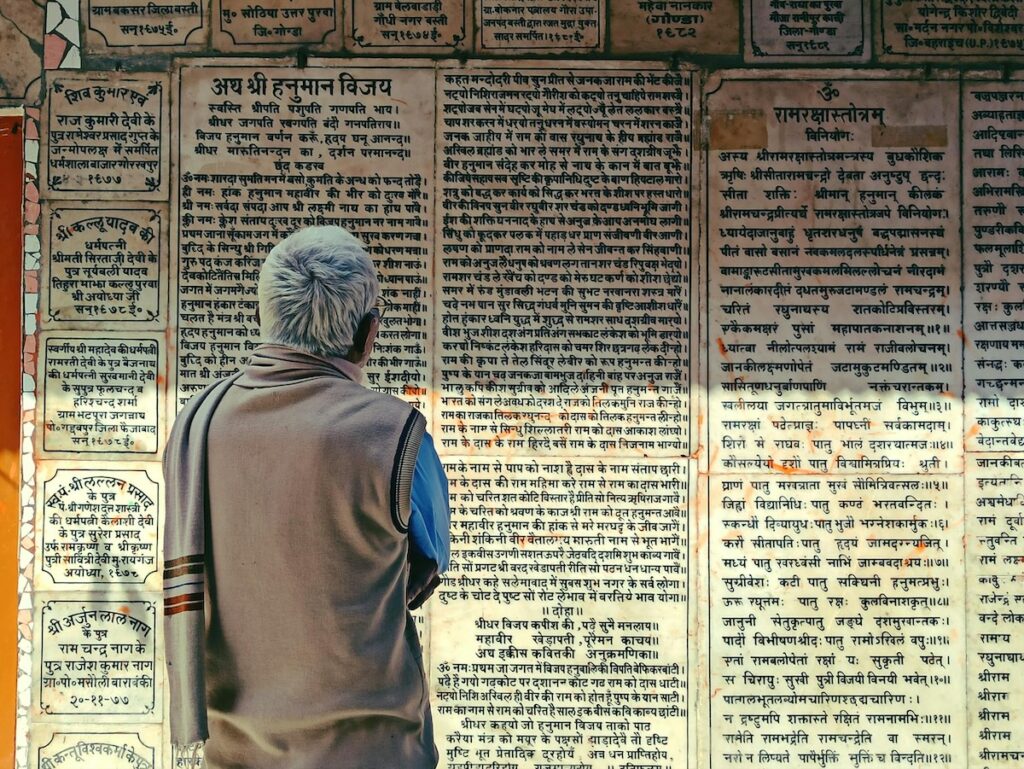
Atman refers to the true self or soul, or the inner essence of a person. In Hindu philosophy, Atman represents the eternal, unchanging self that transcends the physical body and mind, guiding a person towards spiritual liberation.
2. Nefesh (Hebrew)

Nefesh is traditionally translated as “soul” or “life force.” In Jewish mysticism and the Hebrew Bible, Nefesh refers to the animating spirit of all living things, representing one’s physical vitality and deep spiritual core.
3. Ubuntu (Zulu, Xhosa)
Ubuntu means, “I am because we are”, and is a South African concept of interconnectedness and communal well-being. Ubuntu emphasizes compassion, shared humanity, and the understanding that one’s spiritual growth is tied to the well-being of others.
🌀🌊🦋☀️Curious what your travel symbol might be?
Take the Travel Archetype Quiz to discover which symbol reflects your journey.
Each archetype represents a different phase of transformation—like grounding, flow, release, or rebirth—and helps guide your next steps.
When you complete the quiz, you’ll get a free guide tailored to your symbol, including journal prompts, travel ideas, and more.
4. Satori (Japanese)
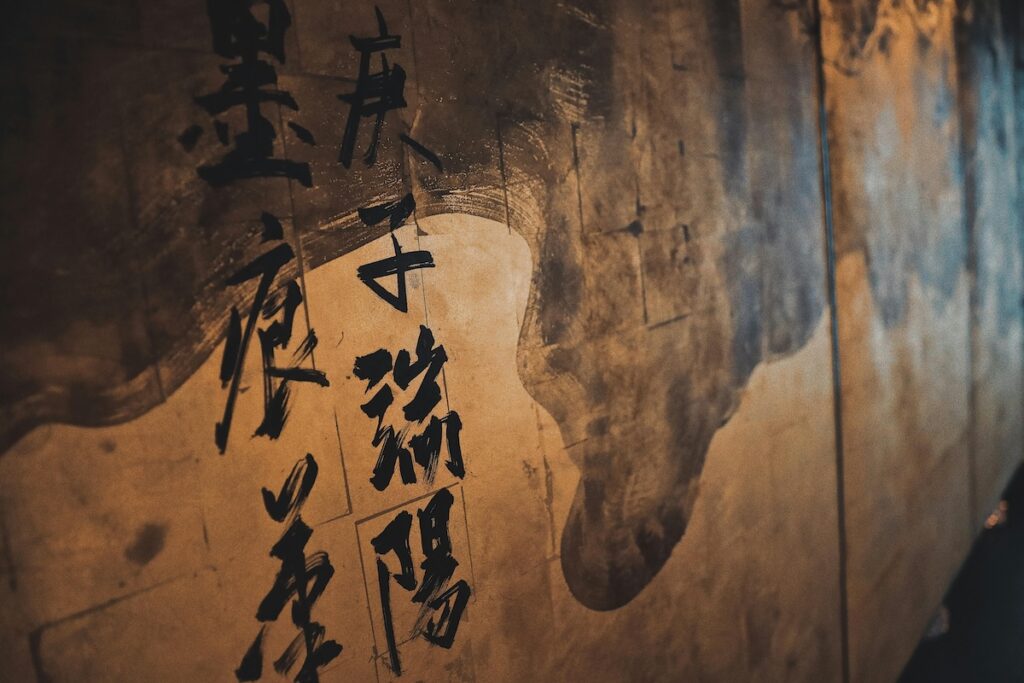
Satori is a moment of sudden enlightenment or awakening. In Zen Buddhism, Satori is the experience of seeing one’s true nature and gaining deep insight into the essence of reality. It is often seen as a fleeting but transformative spiritual realization.
(Interestingly, in Japanese folklore, “Satori” is also the name of a mythical creature that reads people’s minds—a reminder that words often hold many layers.)
5. Teotl (Nahuatl)
🔥 Teotl is the divine force or sacred power. In Aztec spirituality, Teotl represents the sacred force that pervades the universe. It is not just a god, but the essence of divinity in all things. Teotl is the source of all existence, embodying both the creative and destructive forces of the cosmos.
6. Mana (Polynesian)
Mana is a supernatural force or spiritual energy from ancient Polynesian traditions. In many Polynesian cultures, Mana represents a divine power inherent in people, objects, and the environment. It signifies authority, spiritual strength, and the sacredness that connects individuals to their ancestors and the cosmos. Cultivating Mana is often associated with leadership, honor, and the ability to influence the spiritual and physical worlds.
7. Qi (Chinese)
🌬️ Qi is the vital life force or energy flow. Central to Chinese philosophy and traditional medicine, Qi is believed to be the vital energy that sustains all living things. Balancing and harmonizing Qi is essential for health, well-being, and spiritual harmony. Practices like Tai Chi, Qigong, and acupuncture aim to regulate the flow of Qi, promoting physical and spiritual equilibrium.
The concept of life force shows up in many traditions, from Qi to Teotl to vortex energy—explore the historical and spiritual roots of vortex beliefs.
8. Aponi (Cherokee)
🦋 Aponi means butterfly. While not a direct word for spirit, the butterfly holds deep symbolism in Cherokee spirituality, often representing transformation, hope, and the journey of the soul. It is seen as a spiritual messenger that carries prayers and thoughts to the heavens.
9. Fortuna (Latin)
Fortuna is the goddess of fortune and luck in Latin. In Roman mythology, Fortuna was the goddess of fortune, both good and bad. She controlled the unpredictable turns of fate, often depicted with a wheel symbolizing the ever-changing nature of life’s circumstances. Fortuna embodied the belief in destiny, chance, and the balance between success and failure in human life.
10. Saudade (Portuguese)
Saudade is a Portuguese word with ancient roots, capturing a deep, almost existential longing for something lost or unattainable. It often refers to the yearning for a person, place, or moment from the past, woven with both sadness and beauty.
🌊 This kind of longing and emotional surrender mirrors the symbolic meaning of the wave—a spiritual path rooted in flow and feeling.
11. Sisu (Finnish)
Sisu is a Finnish concept representing perseverance, determination, and inner strength in the face of adversity. It’s an ancient ideal that embodies resilience, especially in times of difficulty, with no direct translation into other languages.
12. Baraka (Arabic)
Baraka means blessing or spiritual power in Arabic. In Islamic and Sufi traditions, Baraka is seen as a form of divine grace or blessing bestowed upon individuals, places, or objects, often associated with saints or prophets. It represents the flow of spiritual energy that enhances one’s connection to the divine.
13. Kairos (Greek)
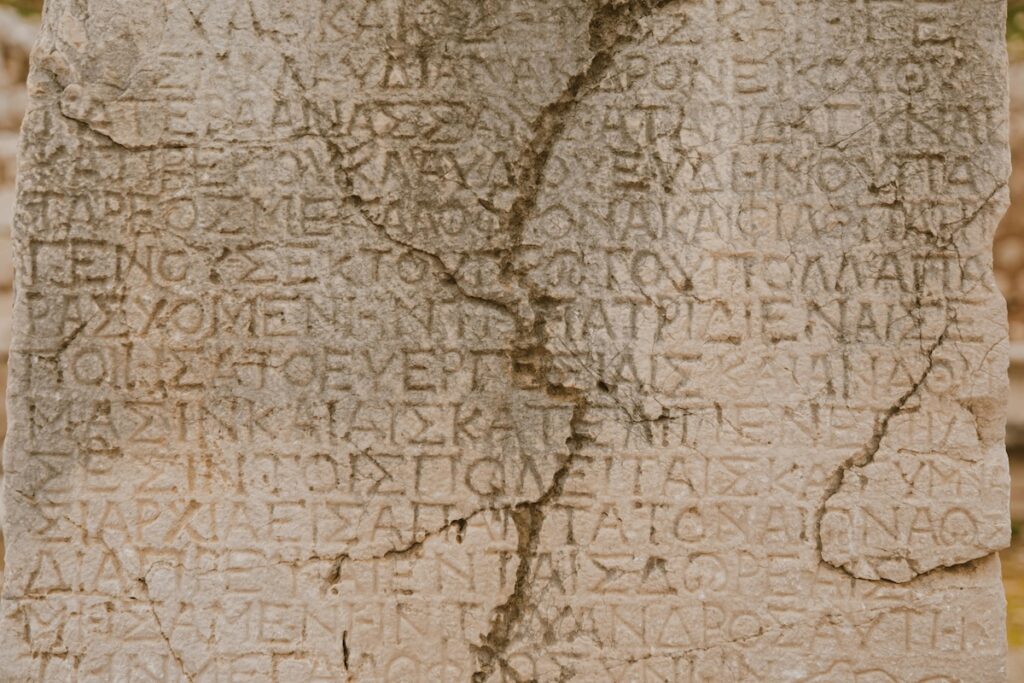
Kairos means the right or opportune moment in ancient Greek. In ancient Greek philosophy and Christian theology, Kairos refers to a sacred or perfect moment when something transformative happens. It is often associated with divine timing, different from chronological time (Chronos), and represents the moment of spiritual opportunity.
14. Metta (Pali)
💧 Metta is translated to mean loving-kindness in Pali. A central concept in Buddhist practice, Metta is the cultivation of unconditional love and compassion for all beings. It is a meditative practice aimed at fostering empathy and reducing suffering for oneself and others.
15. Wakan Tanka (Lakota)
In Lakota spirituality, Wakan Tanka represents the creator and the source of all life. It embodies the sacredness of the universe, the divine power that permeates all living beings and natural forces. Wakan Tanka is often seen as both immanent and transcendent, connecting the physical and spiritual realms.
16. Dharma (Sanskrit)
🌎 Dharma is the principle of cosmic order, righteousness, or duty. In Hinduism, Buddhism, and Jainism, Dharma is a path of virtuous living that aligns with universal law. Following one’s Dharma is seen as essential for personal and societal harmony.
🌿 Make this more than a trip — make it a turning point.
Grab the Deeper Travel Planner to map out a soulful solo getaway built around rest, reflection, and renewal.
17. Ruach (Hebrew)

Ruach is the Hebrew word for Spirit or breath. In the Hebrew Bible, Ruach refers to the breath of life or divine spirit that sustains all creation. It is closely associated with the Holy Spirit in Jewish and Christian theology, symbolizing divine presence and power.
18. Zanshin (Japanese)

Zanshin means awareness or a state of relaxed alertness in Japanese. In Zen and martial arts, Zanshin refers to a mental state of complete presence, mindfulness, and awareness of one’s surroundings, reflecting the importance of being fully engaged in every moment.
19. Orenda (Iroquois)
🔥 Orenda is spiritual power or energy. Orenda represents an invisible force believed to be present in all people, animals, and objects. It is the power of individuals to affect change in the world, whether through their actions, thoughts, or connection to nature. Orenda reflects the Iroquois belief in the interconnectedness of all life and the potential for spiritual growth and influence.
20. Taijitu (Chinese)
Taijitu is the symbol of yin and yang in Chinese culture. Representing the balance of opposing forces (yin and yang), Taijitu is a key Taoist symbol that reflects the duality and harmony of the universe. It teaches the importance of balance in life and spiritual practice.
21. Ananda (Sanskrit)
Ananda means bliss or divine joy. It represents a state of pure, transcendent happiness in Hindu and Buddhist philosophy. It is often linked to spiritual awakening and the realization of one’s unity with the divine.
22. Izun (Hebrew)
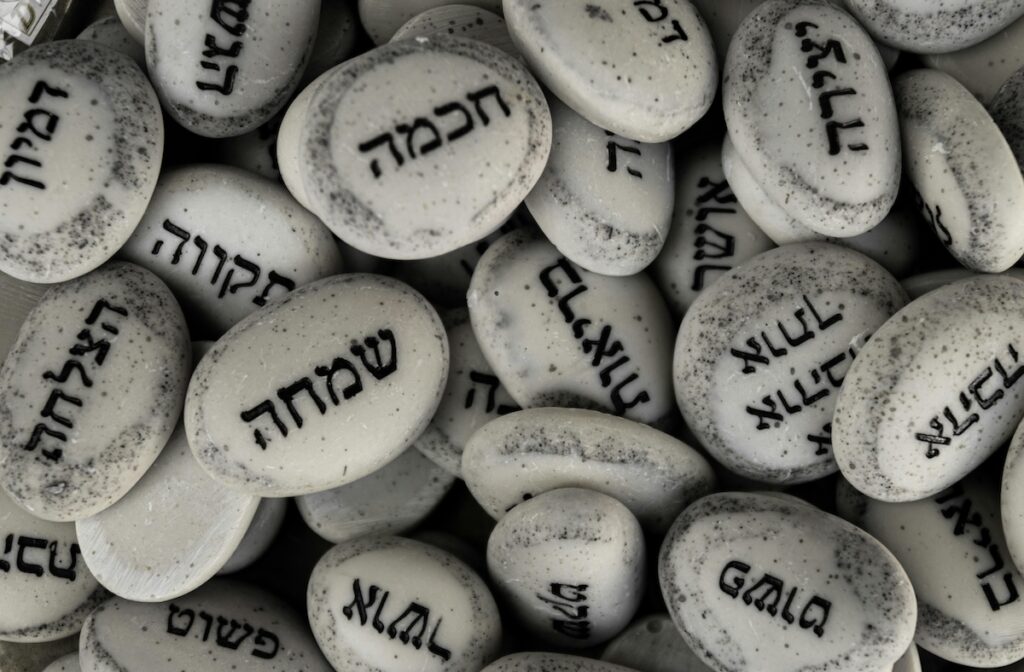
🌎 Izun means balance, or equilibrium, in Hebrew. This concept refers to the balance between various aspects of life—mind, body, and spirit. In spiritual contexts, it signifies harmony with the universe and the self, crucial for personal and collective well-being.
23. Waldeinsamkeit (German)
Waldeinsamkeit is a German term that evokes the feeling of profound solitude and spiritual connection to nature, especially when alone in the forest. It taps into an ancient reverence for the natural world and the introspection it can inspire.
24. Numen (Latin)
In ancient Roman religion, Numen refers to the divine force or spirit associated with gods, sacred places, and objects. It signifies the manifestation of the divine in the natural and built environment, emphasizing the reverence for sacredness and the unseen spiritual influences that guide and protect.
25. Shakti (Sanskrit)
Shakti is the divine feminine power or cosmic energy. In Hinduism, Shakti embodies the dynamic forces that drive the universe, representing creativity, strength, and the active aspect of the divine. Often associated with the goddesses like Durga and Kali, Shakti symbolizes empowerment, transformation, and the essential energy that fuels spiritual growth and manifestation.
☀️ This fiery spiritual force resonates with the idea of transformation and rebirth—a core meaning behind the Scarab symbol.
26. Sankofa (Akan, Ghana)
Sankofa means “Go back and get it.” Sankofa embodies the importance of learning from the past to build a better future. It encourages individuals to reflect on their history, traditions, and experiences, integrating this wisdom into their spiritual and personal growth. Sankofa highlights the value of heritage, memory, and the continuous journey of self-improvement.
27. Shanti (Sanskrit)
Shanti is the Sanskrit word for peace. Used in Hindu, Buddhist, and Jain prayers, Shanti is a state of inner and outer tranquility. Chanting “Shanti” three times in a row is believed to invoke peace in the body, mind, and spirit.
28. Atzmus (Hebrew)
Atzmus means the essence or core of being in ancient Hebrew. In Kabbalistic and Hasidic thought, Atzmus refers to the very essence of the divine, beyond all attributes and descriptions. It represents the deepest, most transcendent aspect of God, completely beyond comprehension yet intimately connected to all of creation. Atzmus signifies the unmanifest, infinite source from which all life flows and toward which all spiritual journeys ultimately aim.
29. Manitou (Algonquian)
Manitou means spirit or supernatural force. In Algonquian traditions, Manitou refers to the spiritual force present in all aspects of nature—animals, plants, rocks, and weather. It is the essence that sustains life, and interacting respectfully with Manitou through rituals and ceremonies is essential for balance and harmony with the natural world.
30. Satya (Sanskrit)
Satya is the Sanskrit word for truth. In Indian philosophy, Satya refers to the practice of living in truth, both in thoughts and actions. It is considered a virtue and spiritual discipline, essential for living in harmony with the divine order.
31. Wabi-sabi (Japanese)
Wabi-Sabi is a Japanese philosophy rooted in Zen Buddhism that appreciates the transient beauty of imperfection and impermanence. It invites a deep acceptance of the flaws and natural cycles of life, celebrating simplicity and authenticity.
32. Tiferet (Hebrew)
Tiferet translates to beauty, harmony, or balance in ancient Hebrew. In Kabbalah, Tiferet represents the ideal balance between loving-kindness (Chesed) and strength or judgment (Gevurah). It symbolizes spiritual harmony, the beauty that arises from blending compassion with discipline, and the unification of opposites. Tiferet is often associated with the heart, acting as a central point in the Tree of Life, connecting higher and lower spiritual realms. It reflects divine beauty, truth, and balance in the spiritual and physical worlds.
🌀 These themes of balance and self-realization reflect the ancient symbolism of the labyrinth—a spiritual structure for inner transformation.
🧭 Ready to go deeper?
The Power of Four is a $7 e-book that weaves together ancient wisdom, symbolism, and modern healing through the lens of the elements.
It’s a soulful, self-paced read with journaling prompts, symbolic stories, and travel-inspired insights to walk your path with more clarity.

33. Prana (Sanskrit)
🌬️ Prana is the life force or vital energy in Sanskrit. In Hindu and yogic philosophy, Prana is the universal life energy that permeates everything. It is the breath of life and the energy that sustains the body and mind. Pranayama (breath control) practices are used to regulate Prana, promoting physical health and spiritual awakening.
34. Yūgen (Japanese)
Yūgen is a profound, mysterious sense of the beauty of the universe. In Japanese aesthetics and philosophy, Yūgen conveys a deep, intuitive awareness of the universe’s subtle beauty and the unseen connections that bind all things. It emphasizes the appreciation of the transient and the ethereal, fostering a sense of humility, reverence, and spiritual contemplation.
35. Logos (Greek)
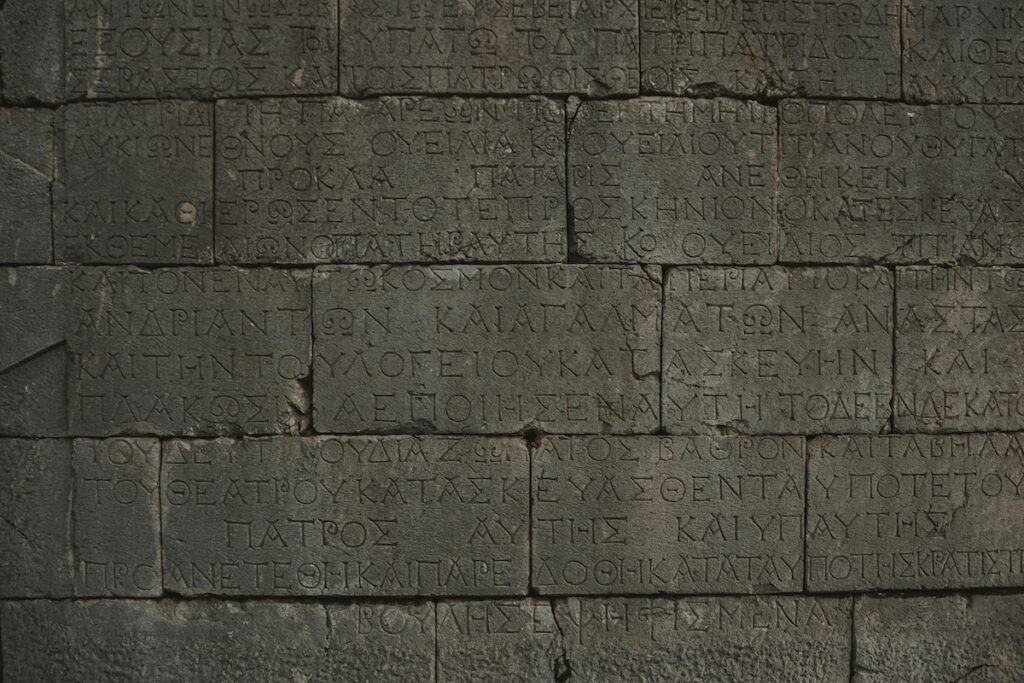
Logos is the principle of order and knowledge. In ancient Greek philosophy, Logos represents the divine reason or plan that governs the universe. It signifies the rational structure of reality, the interconnectedness of all things, and the pursuit of knowledge and understanding. Logos is also a central concept in Stoicism and early Christian theology, symbolizing the harmonious order and intelligence underlying existence.
36. Kitchi Manitou (Ojibwe)
In Ojibwe spirituality, Kitchi Manitou is the supreme being and creator of the world. This Great Spirit governs the universe and is deeply connected to the earth and its cycles. The relationship between humans and Kitchi Manitou emphasizes respect, balance, and the sacredness of all life.
37. Prajna (Sanskrit)
In Buddhist philosophy, Prajna is the profound, intuitive wisdom that perceives the true nature of reality. It is essential for achieving enlightenment and liberation from suffering. Prajna involves understanding the impermanent and interconnected nature of all things, fostering compassion and mindfulness on the spiritual path.
38. Luna (Latin)
In Roman mythology, Luna is the goddess of the moon, associated with night, intuition, and the feminine. She represents the cycles of time, emotions, and spiritual transformation. Luna’s energy is linked to mystery, reflection, and the subtle powers of the unconscious.
39. Neshama (Hebrew)
🌬️ Neshama is the soul or breath in Hebrew, different from “Nefesh” and “Ruach”. In Jewish mysticism and scripture, Neshama represents the highest level of the soul, the divine spark within every person. It is considered the purest form of spiritual essence, connecting humans to God. Neshama is often associated with spiritual awareness, purpose, and one’s deeper connection to the divine. It goes beyond the physical and emotional aspects of the self, embodying the eternal, life-giving breath of God that sustains every living being
40. Shilombish (Choctaw)
Shilombish represents the spiritual essence of a person, often viewed as a shadow or a part of the soul that leaves the body at death. It signifies the eternal aspect of the human spirit and the Choctaw belief in the continuity of life beyond physical existence.
41. Samadhi (Sanskrit)
In Hinduism and Buddhism, Samadhi is the state of intense concentration achieved through meditation, where the individual self merges with the universal consciousness. It is considered a critical stage in spiritual practice, leading to enlightenment, inner peace, and the dissolution of ego.
42. Usen (Apache)
In Apache beliefs, Usen is the creator and life-giver, responsible for the creation of the earth and all its living beings. Usen governs the natural world and maintains balance and harmony. Apache prayers and ceremonies often invoke Usen for guidance, protection, and blessings.
43. Akasha (Sanskrit)
Akasha means ether or space. In Hindu cosmology, Akasha is one of the five great elements and refers to the ether or space that holds the universe together. It is considered the medium through which spiritual forces move, and it symbolizes the infinite and unseen realm beyond the material world.
44. Mara (Sanskrit)
Mara is the demon of temptation and death in Sanskrit. In Buddhist tradition, Mara is the personification of obstacles, illusions, and temptations that prevent spiritual awakening. He is known for trying to distract the Buddha during his meditation under the Bodhi tree. Mara represents internal struggles like fear, desire, and doubt that one must overcome on the spiritual path.
🖋️ A sacred space for your story.

Whether you’re journaling under starlight or scribbling between flights, these blank-page travel journals are designed to hold what matters most—your inner voice.
Each design is rooted in meaning: the labyrinth for clarity and the yin-yang for balance.
45. Soma (Sanskrit)
Soma is an ancient Vedic ritual drink and also a god. In Vedic tradition, Soma is both the name of a ritual drink believed to grant immortality and the deity associated with that drink. Soma was offered in sacred rituals to the gods and consumed by priests, symbolizing divine inspiration, vitality, and a connection to the cosmos.
How to Bring These Words Into Your Real Life Journey
Language isn’t just a tool for communication—it’s a vessel for meaning, memory, and transformation. Whether you’re drawn to the quiet power of Atman or the fierce resilience of Sisu, these ancient words carry more than definitions—they hold paths.
So, how do you walk them?
You don’t have to study every tradition or speak every language fluently. Instead, pick a few words that resonate. Journal with them. Reflect on them during your travels. Let them become guideposts—not just for where you’re going, but for how you grow.
If you’re ready to put these insights into motion, here are some practical ways to deepen your journey:
💬 Every journey’s better with fellow travelers.
Join the Facebook group » to connect with others walking their own path—ask questions, share insights, or just say hi.
📌 ✨ If you enjoyed this post, pin it on Pinterest to save it for later and share the wisdom


