Slow Travel: A Practical + Soulful Guide to Embracing the Journey
Slow travel isn’t just a trend—it’s a mindset. While everyone’s talking about it now, it’s far from new. At its core, slow travel is about choosing presence over pressure, depth over doing it all, and creating space to actually feel your journey.
The beauty of slow travel is that there’s no one way to do it. You can define it for yourself—trip by trip, season by season. Whether you’re staying in one place for weeks or just building quiet mornings into a packed itinerary, it’s about honoring what you need most.
Especially as a solo traveler, slow travel can be a powerful way to reconnect with yourself, avoid burnout, and design experiences that are restorative, not rushed.
✨ In this guide, we’ll dive into what slow travel really means, how the movement began, and how to use it as a philosophy for planning your own transformational adventures.
🔹 This post may contain affiliate links, including Amazon. As an Amazon Associate, I earn from qualifying purchases. I only share what I genuinely recommend. Thank you for your support!
🐢 Defining Slow Travel
What is slow travel? Most people think of it as staying in one place for a longer stretch—and that’s part of it—but it goes deeper than that.
Slow travel is really about how you move through a place. It can apply to both short and long trips, and it’s less about time and more about intention. It means not rushing, being present, and actively engaging with the culture, daily life, and energy of where you are.
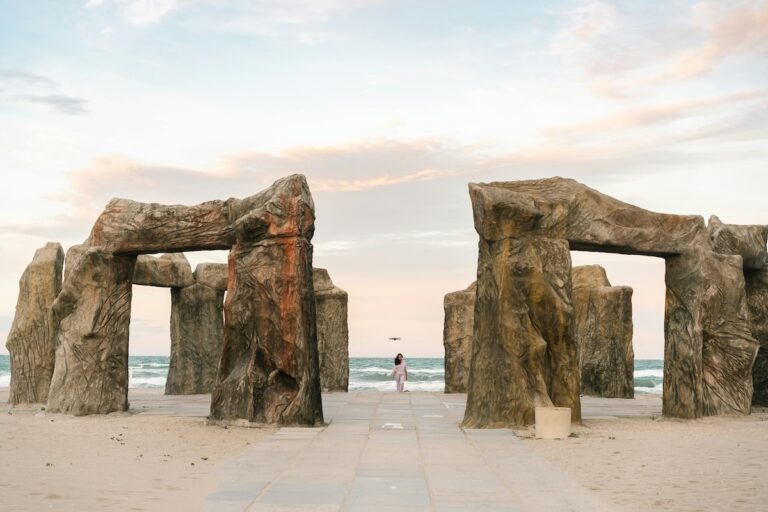
Personally, I think of it as “soaking up the vibes.” Sometimes that means skipping the sightseeing to live like a local for the day—grocery shopping, people-watching, journaling in a café. Other times, it means doing something more touristy (like visiting an archaeological site or snorkeling), but doing it mindfully—fully present and curious.
Slow travel isn’t just about slowing down. It’s about making your trip memorable, embodied, and maybe even transformational. It blends beautifully with both wellness travel and mindful travel—and it’s especially helpful if you’re someone (like me) who lives with chronic health issues or sometimes gets overstimulated by a fast pace.
Solo travel in particular can get overwhelming if you’re constantly switching locations and managing logistics. Going slower doesn’t just help you feel better—it helps you actually be there.
In this post, I’ll break down the history of the slow travel movement, different types of slow travel, the deeper philosophy behind it, and practical ways to plan your own version of slow travel—whether you’re off for a month or a long weekend.
🍷 History of the Slow Travel Movement
Slow travel may be trending now, but it has deep roots—starting not with tourism, but with food.
Back in the 1980s, a protest broke out in Rome when a McDonald’s was set to open near the Spanish Steps. Locals weren’t just opposing fast food—they were defending something deeper: the culture of long, meaningful meals made from locally grown ingredients and traditional recipes.
This sparked the Slow Food movement, which emphasized quality, sustainability, and connection to place.
From there, the idea of “slow living” began to take hold—extending from food to fashion, work, and eventually, travel.
Slow travel emerged as a response to fast-paced, checklist-style tourism and the over-tourism that was beginning to impact beloved destinations. Instead of racing through landmarks, travelers began seeking depth over breadth, experience over efficiency.
Today, slow travel shows up in a range of ways—from choosing intentional, immersive trips to prioritizing eco-conscious choices and finding meaningful ways to give back while on the road.
It’s less about rules and more about values: presence, connection, sustainability, and purpose.
🐛 Types of Slow Travel
🏡 Extended Stays

When most people hear slow travel, they picture staying in one place for a while—and that’s definitely a big part of it. Slowing down often means spending weeks or even months in a single destination, renting a place and living more like a resident than a tourist. You still explore, but you’re not sprinting through an itinerary—you’re settling in.
This is the classic “digital nomad” model, but you don’t have to do it full-time. I’ve taken 1–3 month trips while working, which still let me embrace slow travel even with a to-do list. Staying put longer not only makes a trip feel richer—it also helps reduce travel burnout and can save money over time (fewer transport costs, more cooking at home, and often discounts on longer rentals).
It’s not about doing nothing—it’s about creating space to be where you are.
🌀 🌊 Discover Your Travel Archetype 🦋 ☀️
Take the Travel Archetype Quiz to discover which symbol reflects your journey.
Each archetype represents a different phase of transformation—like grounding, flow, release, or rebirth—and helps guide your next steps.
When you complete the quiz, you’ll get a free guide tailored to your symbol, including journal prompts, travel ideas, and more.
🚆 Train Travel

Train travel is a classic and underrated way to experience slow travel—where the journey itself becomes part of the adventure.
In the U.S., Amtrak offers scenic routes through landscapes like the Rocky Mountains and the Pacific Northwest, giving you time to actually see the country unfold outside your window. You can hop between major cities or go all in on a longer journey and let the rhythm of the rails reset your pace.
Europe, of course, is legendary for its trains. Networks like Eurail and local lines make it easy (and often budget-friendly) to travel across borders while soaking up views you’d never get on a plane. And if you’re feeling fancy, the newly revived Orient Express channels old-school luxury and timeless glamor.
In Japan, train travel is a beautiful blend of modern efficiency and natural serenity. Even outside the famous bullet trains, you’ll find routes through misty mountains, coastline villages, and lush countryside.
India also offers a unique experience with its luxury heritage trains—like the Palace on Wheels—where history, culture, and comfort combine into a moving cultural immersion.
Whether you’re crossing countries or just enjoying the view between towns, train travel invites you to slow down, look around, and let the journey work its magic.
⛵⛴️ Boat and Sailing Journeys
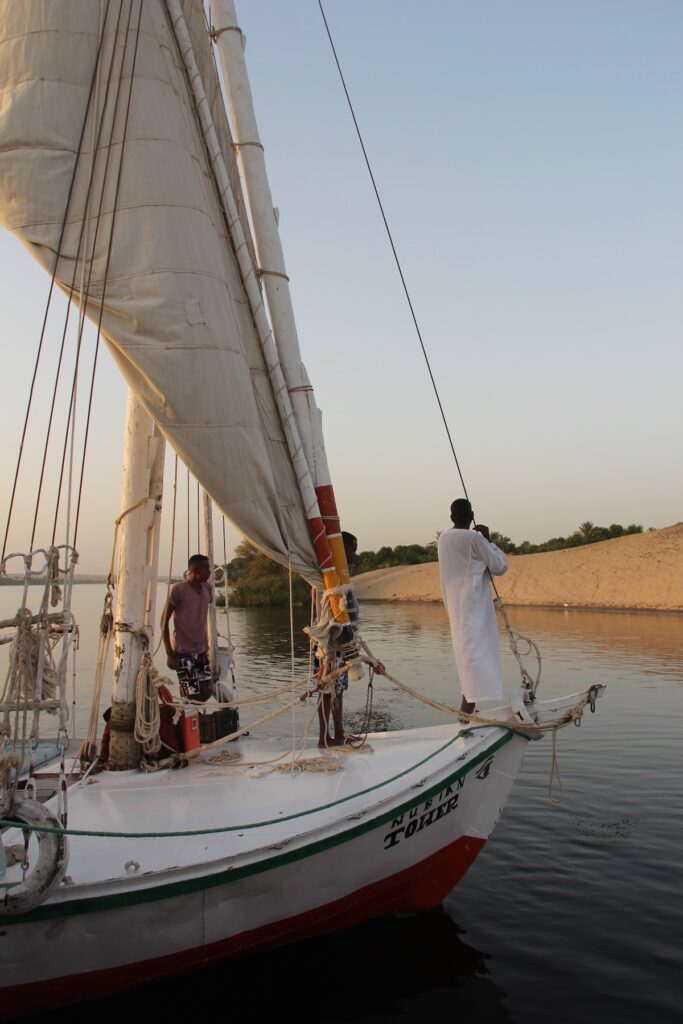
One of the most memorable parts of a retreat I did in Egypt was a slow, peaceful 24-hour journey on a felucca boat along the Nile. We still saw major sites, but the pace, the stillness, and the time to reflect made it feel like something deeper—something almost ancient.
Over-water travel is a powerful way to embrace slow travel. Whether you’re lounging on deck with the wind in your hair or watching a coastal village fade into the horizon, you’re not just getting from A to B—you’re experiencing the in-between.
Here are some options worth dreaming about (or booking):
- The Orient Express Silenseas: Launching in 2026, this new luxury sailing yacht brings the legendary name of the Orient Express to the sea. With wind-powered sails and sustainable design, it’s redefining slow, opulent travel. Think Mediterranean summers, Caribbean winters, two pools, elegant suites, and even a speakeasy and recording studio onboard. Yes, it’s extra—and yes, it’s stunning.
- Overnight Ferries in Greece: I’ve taken these while island-hopping, and they’re a great way to combine transportation and a night’s stay—budget-friendly, adventurous and surprisingly peaceful.
- River Cruises in Europe: Sail through the Danube or Rhine and watch fairytale towns drift by. Many of these cruises include cultural stops, wine tastings, and a chance to unpack just once.
- Sailing the Mediterranean: Whether on a tour, private charter, or a local boat rental, sailing the Med is the kind of thing that slows your breath and widens your perspective.
- Feluccas in Egypt: These traditional wooden sailboats offer a grounded, no-frills way to feel the spirit of the Nile. Some retreats include a full day or overnight felucca journey as part of the experience.
- Houseboats: From the backwaters of Kerala, India, to the canals of Amsterdam, staying in a houseboat gives you a floating home base while connecting you to the water—and to the local pace of life.
Whether you’re sailing in style or hopping between islands with your backpack, the magic is in the journey itself. Slowing down over water does something to your nervous system—it invites you to breathe differently, notice more, and just be.
🌿 Wellness Travel

Wellness travel doesn’t have to mean a silent retreat in the mountains (though it can). It can also be woven into any trip—whether you’re fully focused on rest and rejuvenation or just incorporating wellness habits into a broader adventure.
It might look like:
- Moving your body with intention—through hikes, yoga classes, or long, mindful walks
- Eating foods that nourish you (not just whatever’s convenient)
- Prioritizing rest, journaling, and digital detox days
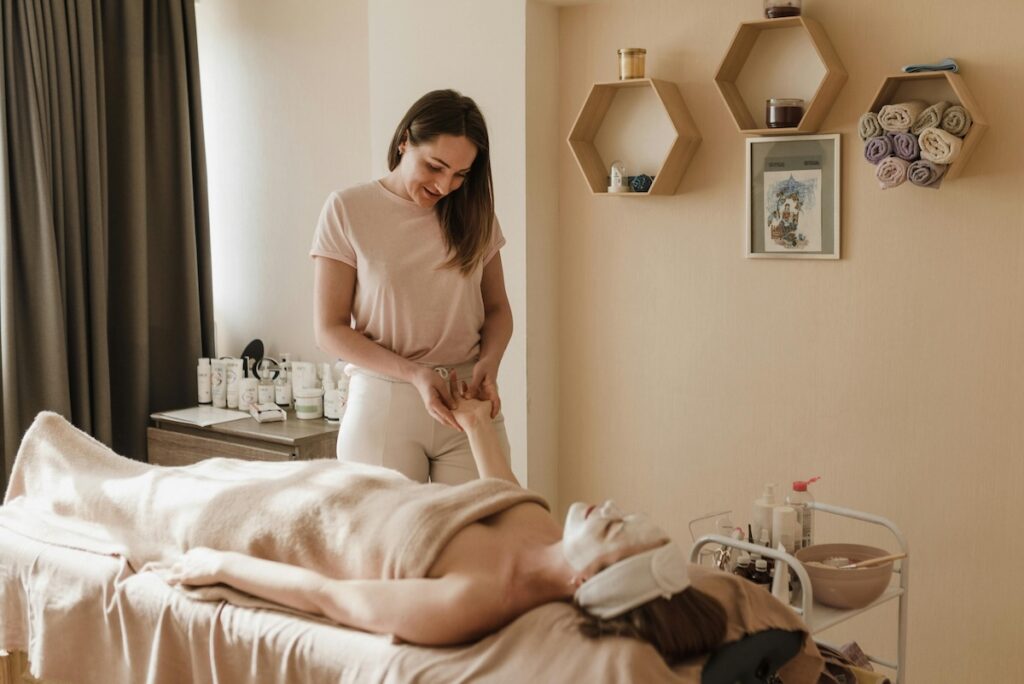
- Booking a massage, soaking in hot springs, or finding a spa that supports your nervous system
These kinds of choices aren’t just relaxing—they’re what help you actually enjoy your trip without burning out, especially if you’re solo traveling, managing chronic health stuff, or trying to recover from stress.
Wellness travel can include both fully-focused wellness retreats and “choose-your-own-adventure” versions where you build wellness into your daily flow.
Here are a few ways to do that:
🧘♀️ All-Inclusive Wellness Resorts and Retreats
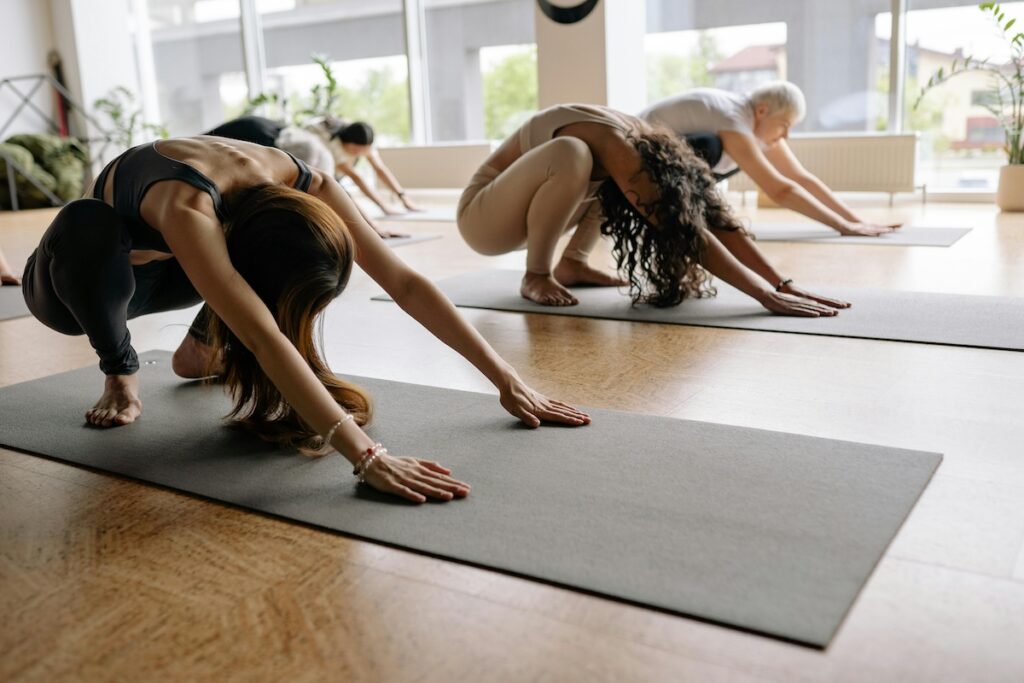
When you want structure, support, and zero decision fatigue, wellness resorts and retreats offer a slow travel experience with a purpose. These can include:
- Wellness Retreats with treatments, classes, and relaxation built in
- Yoga and meditation retreats that offer daily practice, quiet spaces, and community
- Cultural spiritual retreats that include sacred sites, rituals, or energy work
- Hot springs, cold plunges, and saunas that help reset your system
- Digital detox retreats that help you fully unplug and be present
These are great for travelers who want space to process, heal, or reset—especially if you’re navigating a life transition or burnout.
Wellness travel overlaps deeply with mindful travel, which is why I often include it in both categories. It’s not just about self-care in the trendy sense—it’s about tending to your actual needs while traveling, from energy and sleep to food, movement, and emotional processing.
🏛️ Cultural and Historical Exploration
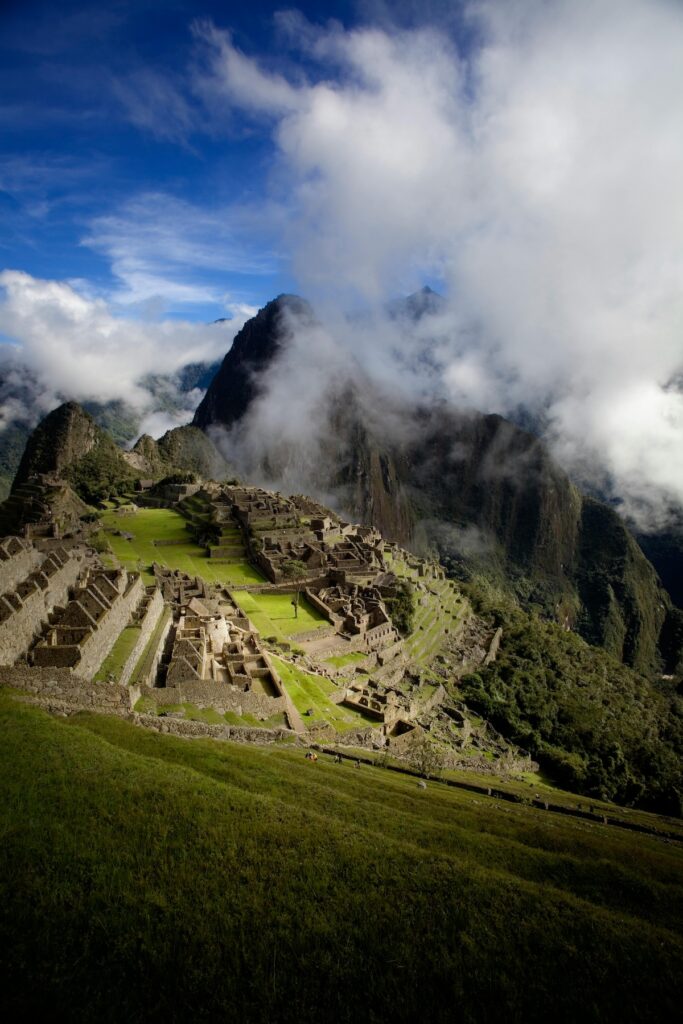
Whether you’re joining a guided tour or wandering on your own, taking the time to explore the culture and history of a place is one of the most powerful ways to slow down. It shifts your focus from rushing to checking in—with the people, the past, and the present all around you.
This kind of slow travel doesn’t always mean quiet—it means depth. You’re not just snapping photos of famous sites; you’re letting yourself be changed by what you’re learning.
Some powerful ways to do this include:
- 🛤️ Spiritual pilgrimages that trace sacred routes and stories through the land
- 🎉 Festivals and local traditions that immerse you in a culture’s rhythms
- 🌍 Spiritual destinations with deep symbolic or energetic meaning
- 🏺 Archaeological sites and museums where ancient worlds meet the modern moment
- 🗣️ Locally-guided tours that offer insight, storytelling, and a more human connection
- 🧵 Workshops or classes on things like cooking, traditional crafts, or language
I’ve found that this kind of exploration is especially meaningful as a solo traveler—because when I’m on my own, I often end up engaging more deeply with what’s around me.
When you travel solo, there’s space to reflect, ask questions, or just feel your way through a site without distraction.
🧘♀️ Mindful Travel
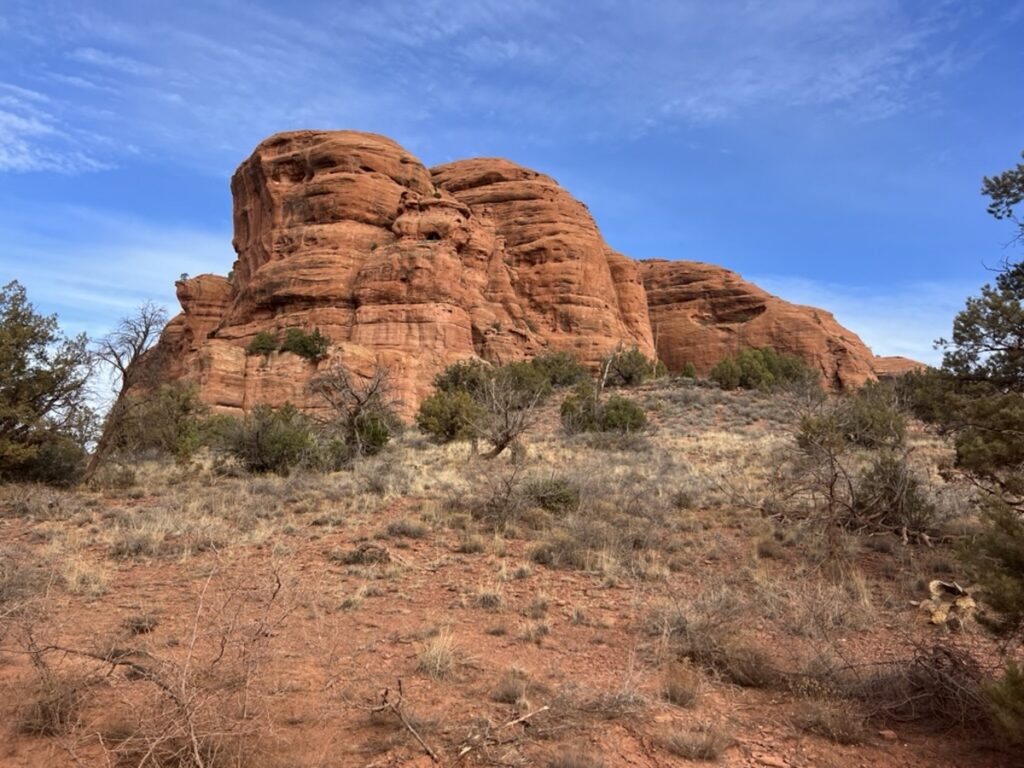
Mindful travel overlaps with wellness travel, but it leans even more into intention, presence, and purpose. It’s about how you move through the world—not just where you go.
This might look like inner work through solitude, hiking, journaling, or breathwork. Or maybe it’s yoga at sunrise, quiet time in nature, or visiting spiritual destinations like energy vortexes or sacred sites.
But mindful travel isn’t just about self-reflection—it’s also about conscious choices.
- Choosing eco-friendly and allergy-friendly gear
- Supporting locally-owned businesses and staying in places with heart
- Eating local, seasonal foods (bonus if you get to meet the people who grow or cook them)
Even a digital detox retreat counts—because stepping away from your screen is one of the best ways to step back into yourself.
🖋️ A sacred space for your story.

Check out the journals in my shop—I designed them for fellow solo travelers and self-healers.
One is a hardcover with a gold labyrinth design, perfect for grounding and inner reflection. The other is a spiral-bound notebook with a yin-yang inspired cover—lightweight and easy to use on the go (and easy to rip pages out of).
Volunteer Travel
Volunteering is one of the most meaningful ways to slow down and connect. It invites you to stay longer, go deeper, and give back—whether through cultural exchange, conservation efforts, or community-based projects.
It also shifts the focus of travel away from consumption and into contribution. You’re not just seeing a place—you’re supporting it, learning from it, and becoming a part of its story (even if only for a short while).
Whether you’re volunteering on a budget or planning a more luxurious experience, there are options for every kind of traveler.
These kinds of experiences not only deepen your connection to the destination—they also change you in the process. And that’s what slow travel is all about.
Benefits of Slow Travel

There are so many reasons to embrace slow travel—for yourself, for the people you meet, and for the planet. Here are a few of the most powerful:
🌱 Personal Growth
Slow travel creates space for self-reflection, emotional clarity, and transformation. When you give yourself time to be, rather than constantly doing, you make room for insights that don’t show up in a rush.
Whether it’s through wellness days, spiritual experiences, or just stillness, slow travel helps you meet parts of yourself you might’ve overlooked in everyday life.
🧘♀️ Physical & Mental Wellbeing
Let’s be real: the go-go-go kind of travel isn’t always relaxing. Slow travel gives your nervous system a break—with less stress, better sleep, and more time to recharge.
Whether it’s spa days, making time to exercise, creating solid morning and sleep routines that work for you, hot springs, journaling, yoga, or just resting in a peaceful space, you’re giving your body and mind the gift of actual restoration.
🌍 Cultural Immersion
When you slow down, you stop skimming the surface—and start forming real connections. Slow travel lets you build relationships, learn customs, and engage in daily life.
You’re not just snapping photos—you’re becoming part of the rhythm of a place, even if just for a little while. Whether it’s through volunteering, taking a local class, or simply wandering solo, those deeper stories are what you’ll remember.
🌿 Environmental Impact
Fast travel = more planes, more pollution, more burnout (for you and the places you visit). Slow travel lets you tread more lightly—staying longer in one spot, using local transport, and making more mindful choices.
It’s a small way to be part of something bigger—traveling with purpose, not just passing through.
Philosophy of Slow Travel

The truth is, your philosophy of slow travel is yours to define. You don’t have to follow anyone else’s version—and it might shift from trip to trip, depending on what you need most.
For me, slow travel means leaving space—for rest, for spontaneity, and for the unexpected magic that can happen when I’m not booked to the brim.
It means choosing flexibility so I can connect with locals and fellow travelers, like the time I stayed in an Athens Airbnb that hosted rooftop dinners. Or the days I gave myself permission to simply rest when I wasn’t feeling well—without guilt.
It also includes my rhythm as a part-time digital nomad. On longer trips, I often work while traveling, which naturally builds in slower days where I’m sitting in cafés or other places instead of sightseeing. That balance lets me travel more sustainably—financially, physically, and emotionally.
At its heart, my travel philosophy is about being over doing. I’m not racing through checklists—I’m letting each moment be what it is. Even rest becomes part of the experience when you give it your full attention.
It also means staying grounded in my routines, even when I’m far from home. I bring the same practices that support me daily—gentle movement, mindful meals, supplements, sleep rituals, journaling, and breathwork. Those little things help me stay centered and well, no matter where I am.
And if you deal with anxiety or loneliness (like many solo travelers do), this part is key:
A full schedule might seem like the answer, but it’s usually a distraction. Real wellness comes from giving yourself space to feel your feelings—not run from them. That’s how you avoid travel burnout and truly care for yourself on the road.
🌱 Craving deeper meaning in your travels?
The Power of Four is a $7 e-book that weaves together ancient wisdom, symbolism, and modern healing through the lens of the elements.
It’s a soulful, self-paced read with journaling prompts, symbolic stories, and travel-inspired insights to walk your path with more clarity.

Planning for Slow Travel
Practical Tips for a More Intentional Journey
So, how do you actually do slow travel?
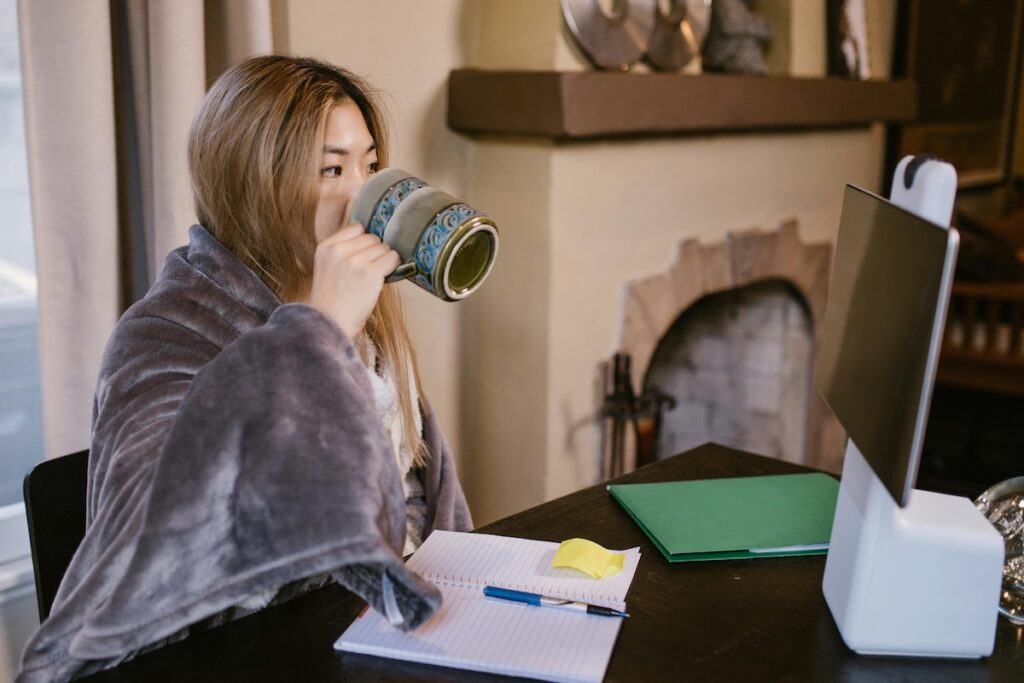
Here are my go-to tips for planning a trip that’s aligned with your energy, goals, and values—whether you’re unplugging completely or working part-time on the road.
🗺️ Choose the Right Destination (For You)
Give yourself time to figure out where you truly want to go. Don’t rush the decision—slow travel starts before you even book the ticket.
Journal through your options, explore your “why,” and do some light research. Look for places known for wellness, culture, community, or natural beauty—where you can embrace solitude or connection, depending on what you need most.
Your destination should feed your soul, not just check a bucket list box.
🌿 Ready to Make Your Next Trip More Intentional?
Before you plan, pause.
My free Deeper Travel Planner is designed to help you create journeys that nourish your soul—not just your passport. It’s more than a checklist—it’s a reflection tool to help you plan with purpose, intention, and clarity.
🌀 Start your journey inward before you take off outward.
💰 Budget for Extended Stays
Slow travel doesn’t have to break the bank—and sometimes, staying longer actually makes things cheaper.
If you’re working remotely (like I often do), that flexibility can help you stretch your trip while keeping costs low. And if you’re planning a digital detox instead, you’ll want to budget even more intentionally.
Here are a few ways to prep:
- Track your spending and cancel anything you don’t need (subscriptions, impulse purchases, etc.).
- Use sites like Booking.com to book longer stays—and message hosts for a discount on monthly or multi-week bookings. I’ve done this several times.
- Choose hostels with private rooms or apartments with kitchens so you can cook some meals (major savings and great for health/allergy reasons).
💳 Extra budget tips:
👉 Book early and look into budget airlines for shorter or regional flights.
👉 Get a travel credit card that avoids foreign transaction fees and earns points.
👉 Open a bank account with Schwab or similar that reimburses ATM fees.
🎒 Pack Mindfully
Whether you’re packing carry-on only or checking a bag for a longer stay, intentional packing is key.
Bring what you actually use—not what you fantasize about using. Prioritize:
- Wellness essentials (supplements, journal, hydration tools)
- Allergy-friendly or fragrance-free products in travel sizes
- Versatile, eco-conscious clothes that mix and match
- Laundry detergent sheets so you can wash on the go
My Wellness Travel Must-Haves
Want to know what I actually pack for wellness travel? From supplements and skincare to travel gear that doesn’t suck, here’s the page where I list it all.
🧘 Build a Mindful Itinerary
You don’t need a packed schedule. I often make a list of places I’d like to go and group them by area—but I don’t assign them to specific days. Instead, I check in with my energy and choose what feels right.
Here’s how to keep it grounded:
- Prioritize: Know your top “must-sees” vs. your “maybes”
- Limit yourself to 1–2 main activities per day
- Add in extra “open days” for rest, recovery, or bonus exploring
- Let your intuition help shape the day
It’s not about doing everything—it’s about doing the right things for you.
🤝 Connect with Locals & Culture
Want a deeper travel experience? Be intentional about how you meet people and engage with the local scene.
Some ways to do that:
- Join a locally-led tour or workshop on a topic that interests you
- Use sites like EatWith to dine with locals
- Take part in festivals, cultural events, or community classes
- Volunteer, even if it’s just a day or two
- Check out local Facebook or Meetup groups to see what’s going on
It’s also worth learning some basic phrases in the local language with an app like Duolingo. Even a little effort goes a long way in connecting meaningfully.
🌿 Stay Open & Curious
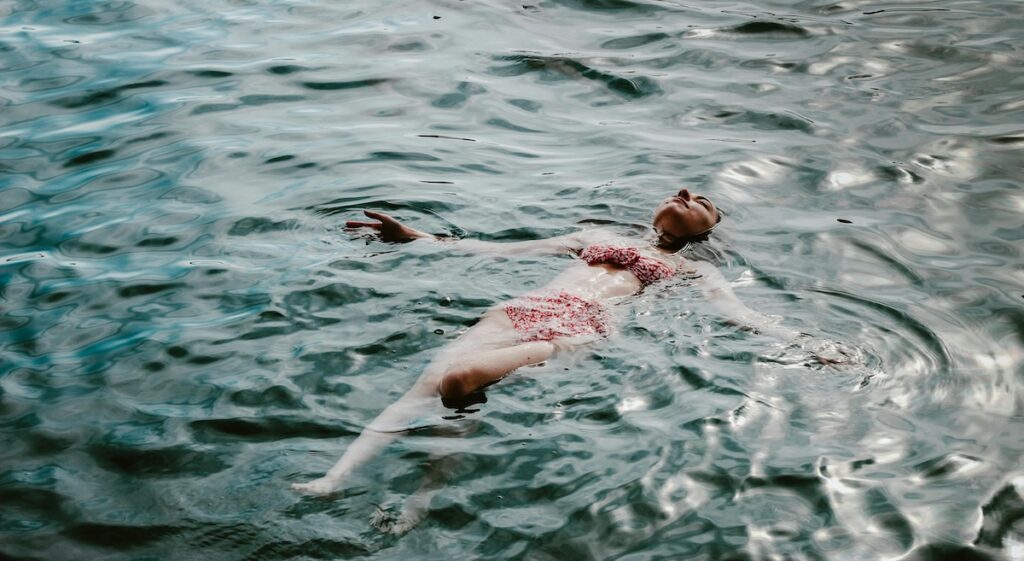
If I had to give just one piece of advice about slow travel, it’s this:
Say yes to the random conversation on the rooftop. Go to the café when you don’t feel like moving. Be willing to change plans when something better shows up.
The best travel memories often aren’t planned. They show up when you leave room for life to surprise you.
🌟 Final Thoughts: Let Slow Travel Shape You
Slow travel isn’t about checking off fewer things—it’s about experiencing more deeply. Whether you stay in one place for a month, journal during train rides, or just build in time for rest between activities, it’s about aligning your travel with your values, your energy, and your real life—not some Pinterest-perfect itinerary.
You don’t have to do it all. You just have to do it with presence.
However you define slow travel, I hope you let it be a way back to yourself.
→ Want help planning your next intentional adventure?
Check out my free Deeper Travel Planner or browse my travel gear and journals made for meaningful journeys.
💬 Want to keep the conversation going?
Join other solo travelers in the Facebook group » to share thoughts, stories, and questions.
💫 Love this post? Pin it for later on Pinterest!