Sweat, Heal, Thrive: The History & Benefits of Saunas
Saunas have been part of human life for at least 5,000 to 7,000 years—used not just for wellness, but for survival, community, and spiritual renewal. From fire-warmed caves to elaborate ancient bathhouses, early cultures understood something we often forget: heat transforms.
These practices weren’t just about sweating. They were rituals of rebirth—of shedding the old, cleansing the body, and emerging with clarity and strength. 🔥
Today, saunas remain one of the most powerful tools for supporting your body, calming your mind, and reconnecting with something deeper. Many of these ancient sauna rituals haven’t disappeared—they’re still practiced around the world today, and in this post, I’ll show you how (and where) you can experience them for yourself.
In this post, we’ll explore the ancient roots of sauna culture, the different types of saunas, and how to start your own healing ritual (we’ll also dive into contrast therapy—pairing heat with cold plunges or cryotherapy—for an even more invigorating reset).
🔥 This post goes beyond steam and sweat. Inside, you’ll find archaeological sauna sites you can actually visit, global rituals that are still practiced today, and science-backed insights on the health benefits of heat therapy. From contrast therapy to cultural traditions, use the Table of Contents to skip ahead—or dive in to explore how saunas have supported human healing for thousands of years.
⚠️ Disclaimer:
This post is for informational purposes only and is not a substitute for professional medical advice, diagnosis, or treatment. Always consult your healthcare provider before starting new wellness practices—especially if you have a medical condition or take medication.
🔹 This post may contain affiliate links, including Amazon. As an Amazon Associate, I earn from qualifying purchases. I only share what I genuinely recommend. Thank you for your support!
🔥 Ancient Sauna Practices
From sacred rituals to survival tools, saunas have existed across cultures for millennia. Archaeology has uncovered evidence of ancient saunas around the world—used not just for hygiene and warmth, but for purification, healing, and honoring ancestors.
In Finland, the first written reference to saunas dates back to 1112 CE. The earliest versions were dug into the ground and heated with smoke. After hours of stoking a fire and letting the smoke clear, people would enter the space for warmth, cleansing, and spiritual renewal.
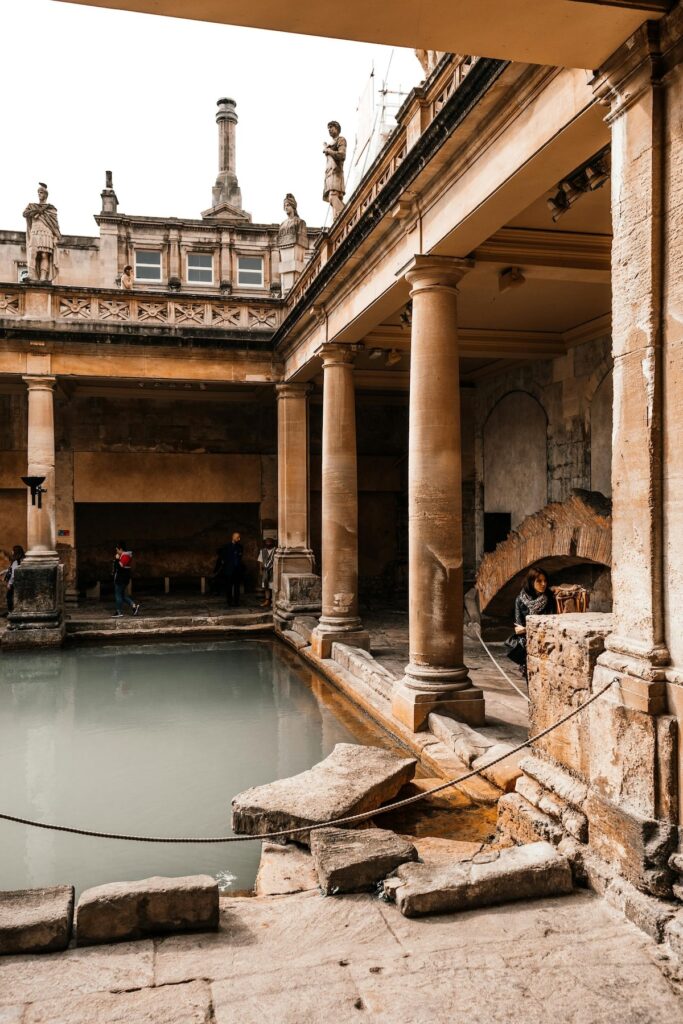
The ancient Roman Thermae—like the caldarium, or hot room—offered a similar experience. These bath complexes, dating back to the 1st century BCE, were hubs for relaxation, health, and social life. Heated by hypocaust systems (ingenious underground furnaces), they reflected a blend of engineering and ritual, where sweat was seen as both physical and spiritual release.
These practices remind us that sauna culture has always been more than just a health trend—it’s rooted in fire, rebirth, and the wisdom of those who came before.
🏛️ Archaeological Sauna & Thermae Sites You Can Visit Today

Sauna and bath culture isn’t just alive today—it’s preserved in stone across the ancient world. These archaeological sites offer a fascinating glimpse into the oldest known wellness traditions around the world.
I’ve had the chance to visit several of these sites firsthand—including the Roman baths in Pompeii, Herodium, and Masada, where I even excavated during my archaeology studies. Whether exploring as a traveler, student, or researcher, walking through these ancient spaces gave me a whole new appreciation for how advanced historic wellness practices really were—and how much they still inspire us today.
This is the kind of travel I love most: where history, healing, and personal transformation intersect. If you’re into traveling not just to a place but through it—letting it change you—my travel philosophy dives deeper into that mindset, including the transformational principles that guide this blog.
Here are a few ancient sauna sites you can visit in person:
🇫🇮 Finnish Smoke Sauna (Jämsä, Finland)
Traditional smoke saunas, dating back over 2,000 years, are still in use today—giving visitors an authentic taste of Finnish sauna culture. You can experience one for yourself on this hiking tour near Helsinki!
🌀🌊🦋☀️Curious what your travel symbol might be?
Take the Travel Archetype Quiz to discover which symbol reflects your journey.
Each archetype represents a different phase of transformation—like grounding, flow, release, or rebirth—and helps guide your next steps.
When you complete the quiz, you’ll get a free guide tailored to your symbol, including journal prompts, travel ideas, and more.
🇮🇹 Baths of Caracalla (Rome, Italy)
One of the largest and best-preserved Roman bath complexes, built in the 3rd century CE, with stunning architecture and ruins to explore.
🇮🇹 Baths of Diocletian (Rome, Italy)
The largest bathhouse in ancient Rome—designed to accommodate over 3,000 bathers at once. The sheer scale reflects the social and spiritual importance of communal bathing.
🇮🇹 Pompeii (Italy)
Explore remarkably well-preserved Roman baths frozen in time by the eruption of Mount Vesuvius in 79 CE—offering a rare peek into daily wellness rituals before disaster struck.
🇹🇳 Antonine Baths (Carthage, Tunisia)
Explore North Africa’s largest Roman baths, built between 145–165 CE. With hot, warm, and cold rooms and even a gymnasium, this complex shows how comprehensive Roman self-care was.
🇮🇱 Masada & Herodium (Israel)
These fortress-palaces of Herod the Great feature Roman-style caldariums and steam rooms—built to mimic the luxury of Rome in the Judean desert. See Masada and Herodium on this tour.
🇩🇪 Imperial Baths of Trier (Trier, Germany)
Nicknamed the “Second Rome,” Trier’s massive bath complex was one of the largest outside Italy and speaks to how far Roman wellness culture extended across the empire.
🇬🇧 Roman Baths (Bath, England)
This iconic thermal bath complex dates back to Roman Britain and was built around a natural hot spring. Once a sacred site for healing and ritual cleansing, it’s now one of the best-preserved ancient spa sites in the world.
🌿 Make this more than a trip — make it a turning point.
Grab the Deeper Travel Planner to map out a soulful solo getaway built around rest, reflection, and renewal.
🇫🇮 Finnish Sauna Culture
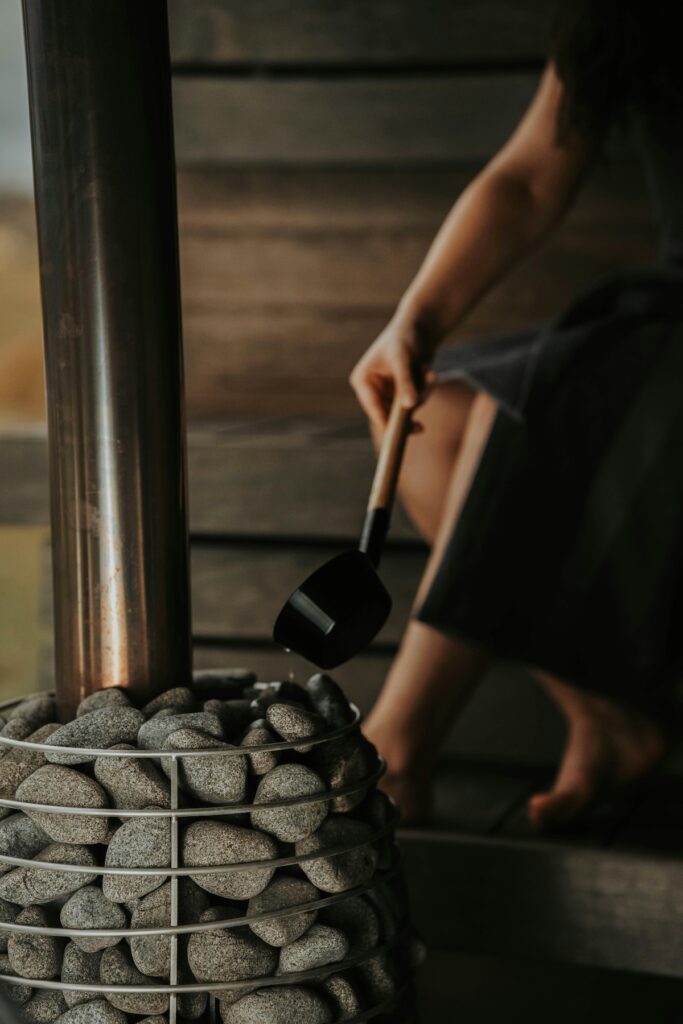
The word sauna (pronounced sow—like wow!—nah) is a Finnish word, and Finland is best known for its sauna culture, with more saunas than cars—about 3 million for its 5.5 million people! Saunas all over the world are modeled after Finnish traditions.
Birch Whisks

Called vihta or vasta, these whisks are made from young birch branches tied together and soaked in water. During a sauna session, participants gently slap their bodies with the whisks to stimulate blood circulation, exfoliate the skin, and release natural oils and aroma from the leaves.
Spirituality, Relaxation and Birthing
For centuries, the sauna has also been a space for reflection, meditation, and even childbirth. It was seen as a place of safety and cleanliness. Many Finns still maintain a spiritual connection to the sauna, considering it sacred and free from everyday stress.
Family and Social Life
Going to the sauna is a social and family activity, and many families have regular sauna nights. Traditionally, major life events like weddings or childbirth were marked by sauna visits for blessing and purification.
Business and Diplomacy
The phrase “sauna diplomacy” reflects the cultural importance of saunas in Finland—even business and political discussions might take place inside one to foster trust and openness.
Contrast Therapy

Finnish culture also embraces the practice of hot sauna sessions followed by cold-water plunges—believed to stimulate the immune system and build mental resilience.
🌿 Where to Experience Ancient Sauna Traditions Today
Many cultures around the globe have developed their own sauna or steam traditions, often used for both wellness and ritual. Here are just a few examples:
🇷🇺 Russia – Banya
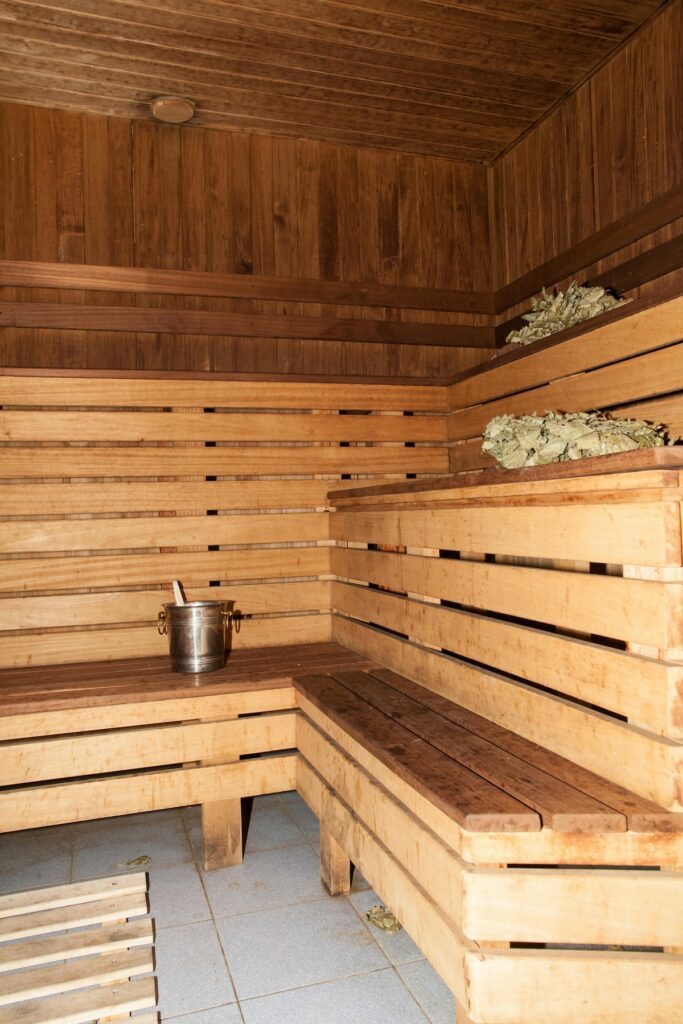
The Russian Banya involves intense steam (par), created by pouring water on heated stones. Like in Finland, birch or oak whisks (veniks) are used to stimulate circulation. Cold plunges often follow the heat.
The Banya is deeply social and symbolic—many Russians believed it expelled evil spirits and embodied the balance of the four elements: fire, water, earth, and air.
🔥 The Power of Four:
A Symbolic Framework for Rebirth

Across cultures and centuries, heat has symbolized renewal.
From the Russian banya to ancient sauna rituals, fire was never just physical—it was transformational.
The Power of Four explores the elements behind these timeless practices—fire, water, earth, and air—through a personal lens of healing and change.
🇹🇷 Turkey – Hammam
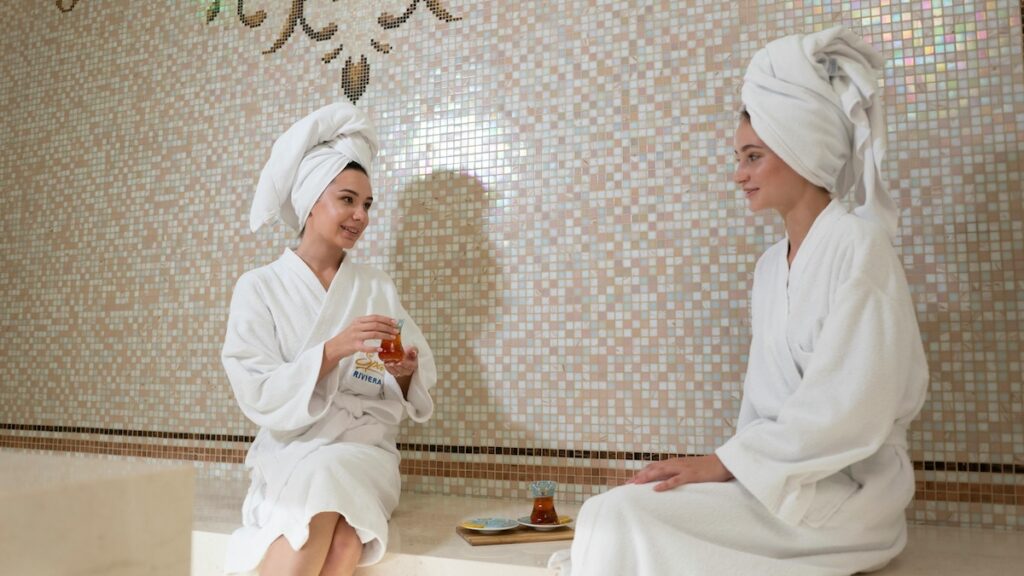
Turkish hammams, like Cagaloglu Hammam, an authentic Ottoman hammam in Istabul, trace their roots to Roman baths but evolved to meet Islamic cleanliness traditions. Visitors move through heated rooms, receiving exfoliating scrubs and warm-water rinses, followed by a cool rinse.
Hammams are a central social space where people gather to celebrate weddings, important events, or simply unwind together.
🇺🇸 🇨🇦 North America – Sweat Lodges
Native American and First Nations sweat lodges, or Inipi, are sacred spaces used across many Indigenous cultures throughout North America for purification, healing, and spiritual renewal.
A fire heats stones, which are placed inside a small, enclosed structure. Water is poured over them to produce steam—creating an intense, intentional heat. The ceremony is guided by a spiritual leader and often includes prayer, singing, and symbolic rebirth.
Sweat lodges are deeply connected to the land, ancestral wisdom, and community healing. They’re not just about sweating—they’re about listening, honoring, and letting go.
🔥 Bonus: Mexico – Temazcal Ceremonies
In Mexico and Central America, Indigenous traditions like the Temazcal offer a powerful steam-based purification experience. These ancient ceremonies, often led by trained guides or shamans, use heated volcanic stones, herbs, and chants to support physical, emotional, and spiritual cleansing.
If you’re curious to try one, you can join a Temazcal Sweat Lodge and Tequila Tour in Mazatlán—a unique blend of tradition and celebration.
🏺 Many global wellness practices have become part of modern routines in ways that reflect our increasingly mixed traditions. If you’re curious about how cultural blending and learning can be done with care, check out this piece on what pottery can teach us about shared roots and respectful participation.
The Health Benefits of Using Saunas Regularly

Finnish sauna bathing has a long list of proven health benefits—far beyond just relaxation. Here’s what regular sauna use can support:
- Reduces stress and helps balance cortisol
- Eases muscle soreness and inflammation
- Improves sleep quality
- Enhances mood and emotional well-being
- Reduces the risk of vascular issues like high blood pressure and cardiovascular disease
- Lowers the risk of stroke
- Supports brain health and reduces dementia risk
- May promote longevity and healthy aging
- Helps manage arthritis symptoms
- Eases lung issues like asthma
- Reduces allergy symptoms
- Strengthens the immune system
- Helps clear congestion
- Can ease symptoms of anxiety and depression
- Balances hormones—helpful for conditions like PCOS
- Improves skin texture and conditions (may help with eczema—check with your practitioner first)
- Proven to help burn calories
🔥 Saunas are also shown to support detoxification, helping the body sweat out heavy metals and environmental toxins—giving your liver a much-needed assist.
🔥 How to Start Using the Sauna: Tips for Beginners
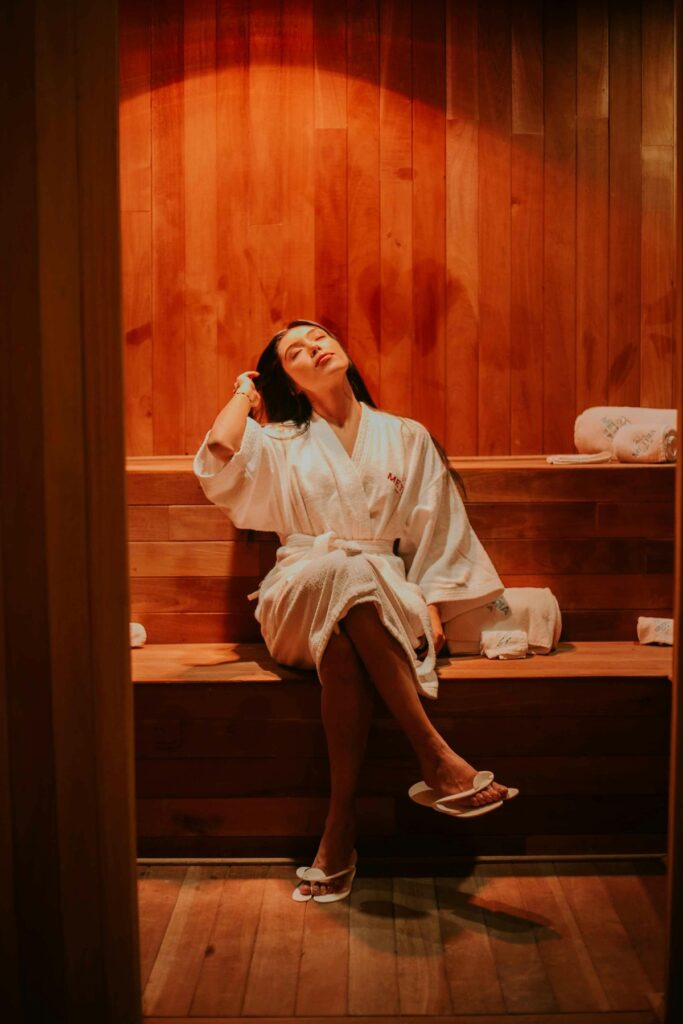
If you’re new to saunas, don’t worry—you don’t need to dive in for 30 minutes on day one. Here’s how to ease into it and get the most benefit without overdoing it.
Find the Right Sauna for You
You can start at a gym, wellness center, or sauna studio—or invest in your own home setup. Here are the main types:
- 🔥 Wood-Burning Sauna (Traditional Finnish Sauna): Heated with fire and sauna rocks. Rustic, effective, but requires ventilation and maintenance.
- 🌈 Infrared Sauna: Uses light to heat your body directly, not the room. Lower temps make it ideal for beginners or those sensitive to heat. Many also include light/color therapy options.
- ⚡ Electric Sauna: Easy to install and operate, often found in gyms and spas. The most common choice for home and indoor use.
- 🌫️ Smoke Sauna (Savusauna): The original Finnish sauna. No chimney—just fire, stones, and smoke. It’s a more traditional experience, though harder to find and maintain.
When to Use the Sauna
Many people find that sauna sessions in the evening help them relax and sleep more deeply. You can pair your session with other calming habits in your sleep routine for a more restorative end to the day.
🔥 What to Expect During Your First Sauna Session

Your first sauna session doesn’t have to be intimidating—but it’s important to start slow and listen to your body.
After a long break from saunas, diving into a full session can trigger detox symptoms (sometimes called a Herxheimer reaction). These can include headaches, fatigue, or even brain fog as your body releases stored toxins too quickly.
I’ve experienced this firsthand. When I first started with infrared saunas, I felt great during the session—but ended up with a headache that lasted over 24 hours. I later switched to a traditional sauna at the gym and began with short 10-minute sessions, slowly building my tolerance. Drinking electrolytes beforehand made a huge difference.
Here’s how to ease into your own sauna journey:
- Start Small: Begin with 10–15 minutes or less in a traditional sauna, or 15 minutes or less in an infrared one. Over time, you can gradually increase your session length (infrared saunas can go up to 45 minutes because they use lower temps).
- Skip the Metal: If you’re in a public sauna, wear light, breathable clothing like a cotton t-shirt and shorts, or a swimsuit. Avoid synthetic fabrics and take off jewelry or anything with metal—those can overheat and burn your skin.
- Hydrate Smart: Drink plenty of water with electrolytes before and after your session. This helps replenish minerals lost through sweat and supports your body’s detox process. Avoid alcohol, and make sure to eat well throughout the day to keep your energy stable.
- Rinse Off: Showering before the sauna helps remove oils or dirt from your skin (and keeps the sauna clean). Rinsing off after helps wash away the toxins your body just released—and cools you down.
Think of your first few sessions as a warm-up phase—literally. You’ll build up your comfort, learn what works for your body, and find a rhythm that feels good without overdoing it.
🗓️ How Often Should You Use a Sauna?
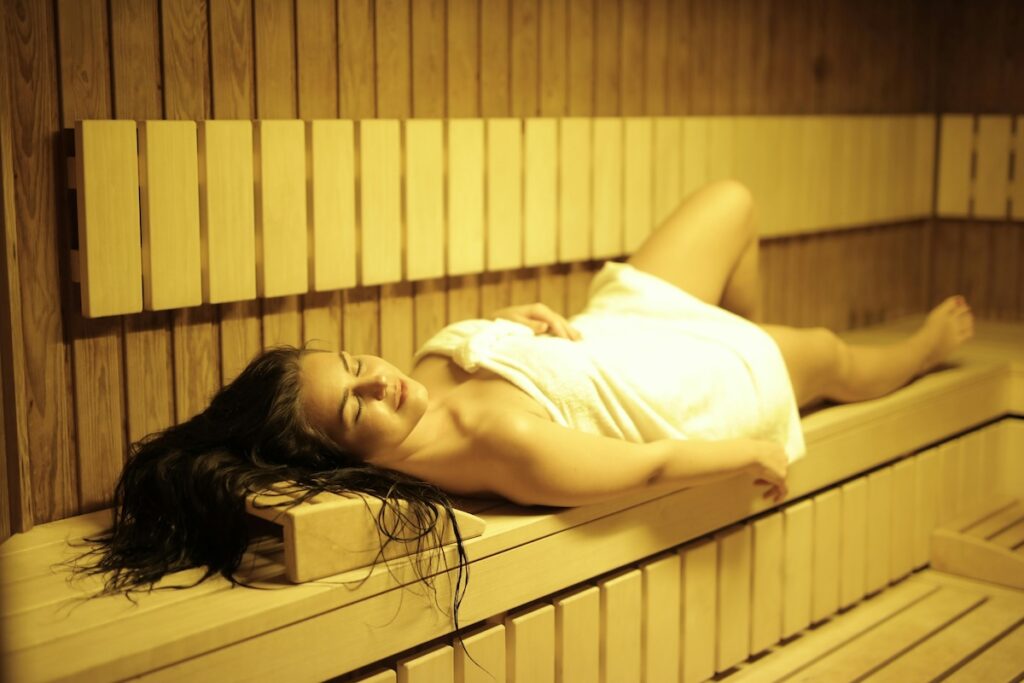
To get the most out of sauna therapy, aim for 2–3 sessions per week. This frequency supports cardiovascular health, muscle recovery, and stress relief—without putting too much strain on your system.
Consistency matters more than intensity. Long, infrequent sessions won’t give you the same benefits as regular, shorter ones.
If you’re more experienced—or looking for additional health benefits—4–7 sessions per week may be ideal. Studies from Finland show that daily sauna use can help reduce the risk of cardiovascular disease and support longevity.
💧 Tip: Always pair sauna sessions with proper hydration, rest, and nourishment. Avoid overly long sessions, and if you’re unsure what’s safe for your body, talk to your doctor before increasing frequency.
🔥 Ways to Enhance Your Sauna Experience

Want to level up your sauna time? These simple add-ons can help you get even more benefits—and turn your session into a full-body ritual.
🧊 Try Contrast Therapy
One of the most invigorating ways to amplify your sauna’s effects is by practicing contrast therapy—alternating between hot and cold.
After your sauna session, jump into a cold plunge, take a cold shower, or even splash your face with icy water. This temperature shift can:
- Stimulate circulation
- Boost your immune system
- Support muscle recovery
- Leave you feeling energized and refreshed
It’s a common practice in Finland and Russia, where people often hop from hot saunas into freezing lakes (or snow!). You don’t need a frozen lake—just a cold rinse will do the trick.
💧 Personally, I always finish with a quick cold rinse—even if it’s just 30 seconds in the shower. If I skip it, the whole experience feels incomplete. That blast of cool water leaves me feeling clear, reset, and totally refreshed.
🌿 Add Essential Oils
Want to make your sauna session more calming or therapeutic? Try adding essential oils like eucalyptus, lavender, or peppermint.
Just add a few drops to water before pouring it over the sauna stones—never directly onto the rocks. As the steam rises, so does the aroma.
- Eucalyptus is great for clearing your airways and easing muscle tension
- Lavender promotes deep relaxation and reduces stress
- Peppermint can boost mental clarity and help with headaches
⚠️ Important: Always make sure you’re using pure essential oils (not synthetic fragrances), and skip this step if you’re sensitive to scents or have respiratory issues.
Tips for Staying Safe in the Sauna

Saunas can offer powerful health benefits—but like anything, it’s important to listen to your body. Here are some key safety tips to make the most of your session while avoiding common pitfalls:
Know When to Pause or Take a Break
If you start feeling lightheaded, dizzy, or overheated, don’t push through it. Step out, drink water (best with electrolytes), and cool your body down before deciding whether to continue. If you’re new to sauna use, begin with shorter sessions (10–15 minutes) and build up gradually over time.
Watch for Signs of Overheating or Dehydration
Pay attention to:
- Dizziness or nausea
- Excessive sweating
- Rapid heartbeat
- Headaches or fatigue
These can be early signs of heat exhaustion. If you experience any of them, exit the sauna, hydrate, and rest.
Who Should Avoid Sauna Use (or Check With a Doctor First)
You may need to avoid or limit sauna use if you have:
- Heart conditions
- Very high or low blood pressure
- Open wounds or skin infections
- Kidney disease or chronic illness
- Acute illness (like the flu)
- Seizure disorders
- Respiratory issues or asthma (check with your doctor)
- Certain skin conditions like eczema or atopic dermatitis
- Pregnancy (especially in early stages)
- Children under 6 years old
Always consult your healthcare provider if you’re unsure.
🧘♀️ Personal Note: Everyone’s Different
I have eczema, asthma, and allergies—and I still use the sauna regularly. But I had to start slow, experiment, and learn what worked for my body.
If you have a condition that’s listed above, it doesn’t automatically mean the sauna is off-limits. It just means your body might need a gentler approach, more breaks, or a bit of trial and error.
When in doubt? Go slow, stay hydrated, and listen to your body.
Avoid Overuse
More isn’t always better. Spending too much time in the sauna can lead to dehydration, fatigue, or even heat stroke. Stick to 15–20 minutes per session unless you’re experienced, and aim for 2–3 sessions per week to start. As you build tolerance and your body adapts, you can gradually increase frequency.
🔥 Sweat, Heal, and Reconnect—One Session at a Time
From ancient cave fires to modern wellness sanctuaries, saunas have stood the test of time for a reason. They’re more than just a way to sweat—they’re a ritual, a reset, and a return to your body.
Whether you’re embracing the heat for physical relief, emotional release, or spiritual clarity, sauna time can become a cornerstone in your wellness journey and a way to travel more slowly.
Start slow, stay curious, and listen to your body. With the right intention and rhythm, this simple practice can become a sacred space—one that restores your energy, strengthens your resilience, and lights up your inner fire.
Want to find the coolest saunas worth traveling for? I rounded up a post with some of the most amazing saunas around the world—places that turn heat into a full-on experience. And if you want to dive deeper into heat-based healing, don’t miss my guide to the benefits and rituals of mineral hot springs. Still craving more? You can explore even more wellness-focused destinations in my wellness travel guide.
💬 Every journey’s better with fellow travelers.
Join the Facebook group » to connect with others walking their own path—ask questions, share insights, or just say hi.
📌 Loved this post?
Save it on Pinterest so you can revisit the wellness benefits of saunas anytime.